Wayne County Deploys School Asthma Teams to Fight Fall Pollution Spikes
Wayne County is sending specialized pediatric asthma teams to Detroit and Dearborn schools this October to combat seasonal air quality dangers.
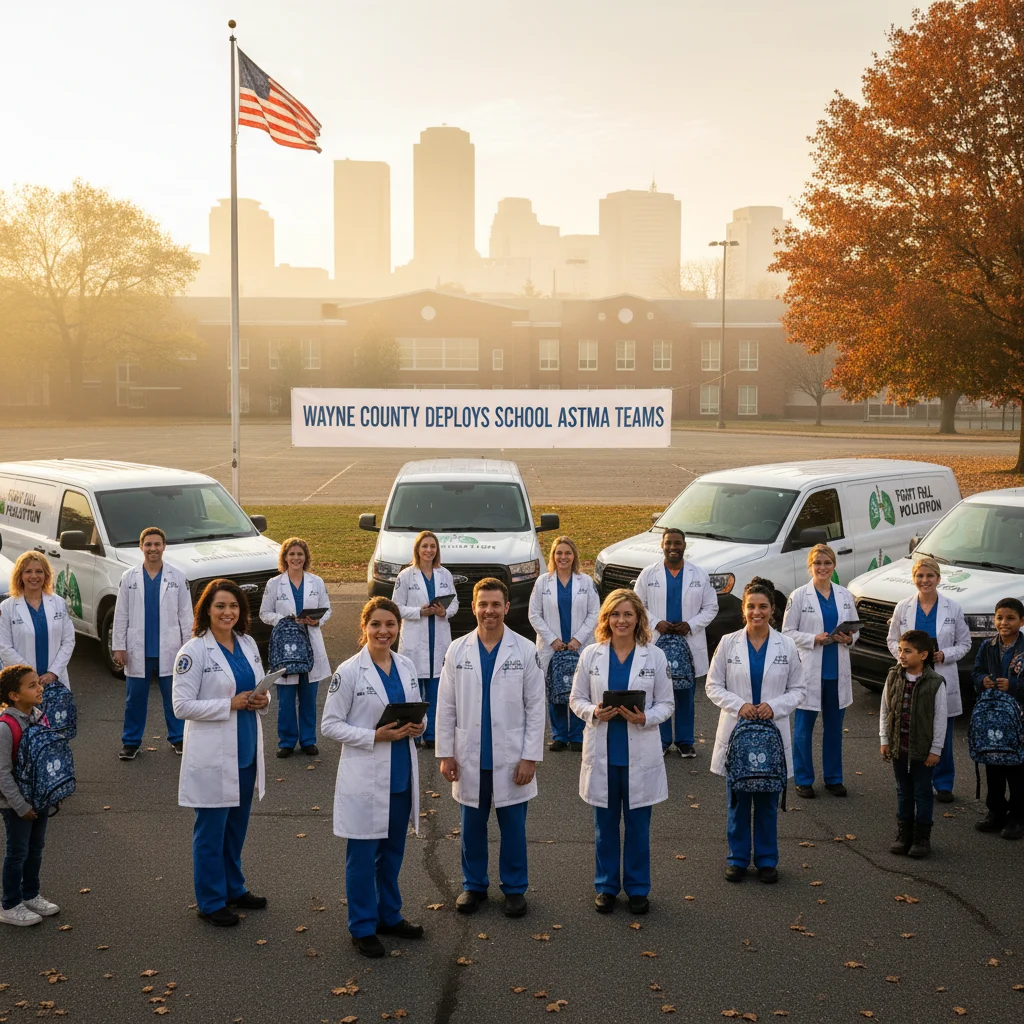
Wayne County is bracing for the autumn air quality dip with a new hands-on medical initiative. Starting this October, specialized pediatric asthma teams will fan out across public schools in Detroit and Dearborn. The goal is simple: stop severe asthma attacks before they start.
Dr. Abdul El-Sayed, the director of the Wayne County Health Department, announced the deployment this week. It comes at a critical time. October routinely brings a sharp spike in pediatric asthma hospitalizations. Doctors often call this seasonal surge the “autumn asthma peak.” Cold air, ragweed, mold from rotting leaves, and lingering industrial emissions combine to create a toxic mix for young lungs.
“We know when the spike is coming,” El-Sayed said. “It happens every year like clockwork. Our goal is to meet the threat where the kids actually are—in their classrooms.”
Why Detroit and Dearborn?
The geographic focus of the program is highly deliberate. Detroit and Dearborn suffer from some of the highest pediatric asthma rates in the state, driven in part by heavy industrial presence and dense highway traffic.
In neighborhoods like Dearborn’s Southend and Detroit’s southwest side, the air is frequently thick with fine particulate matter. For a healthy adult, it might mean a scratchy throat. For a child with asthma, it can trigger a life-threatening emergency.
Local schools often bear the brunt of these environmental disparities. Many school buildings in these districts are older, with aging ventilation systems that struggle to filter out fine outdoor pollutants.
The new response teams aim to bridge these gaps. Consisting of respiratory therapists, pediatric nurses, and community health workers, the units will rotate through high-risk schools throughout the month.
How the Teams Operate on the Ground
These are not static administrative groups. They are mobile, rapid-response units. On any given day, a team might visit a Detroit elementary school to inspect classroom air filtration systems. They will check that individual students’ asthma action plans are up to date. They will make sure school clinics are fully stocked with rescue inhalers and nebulizers.
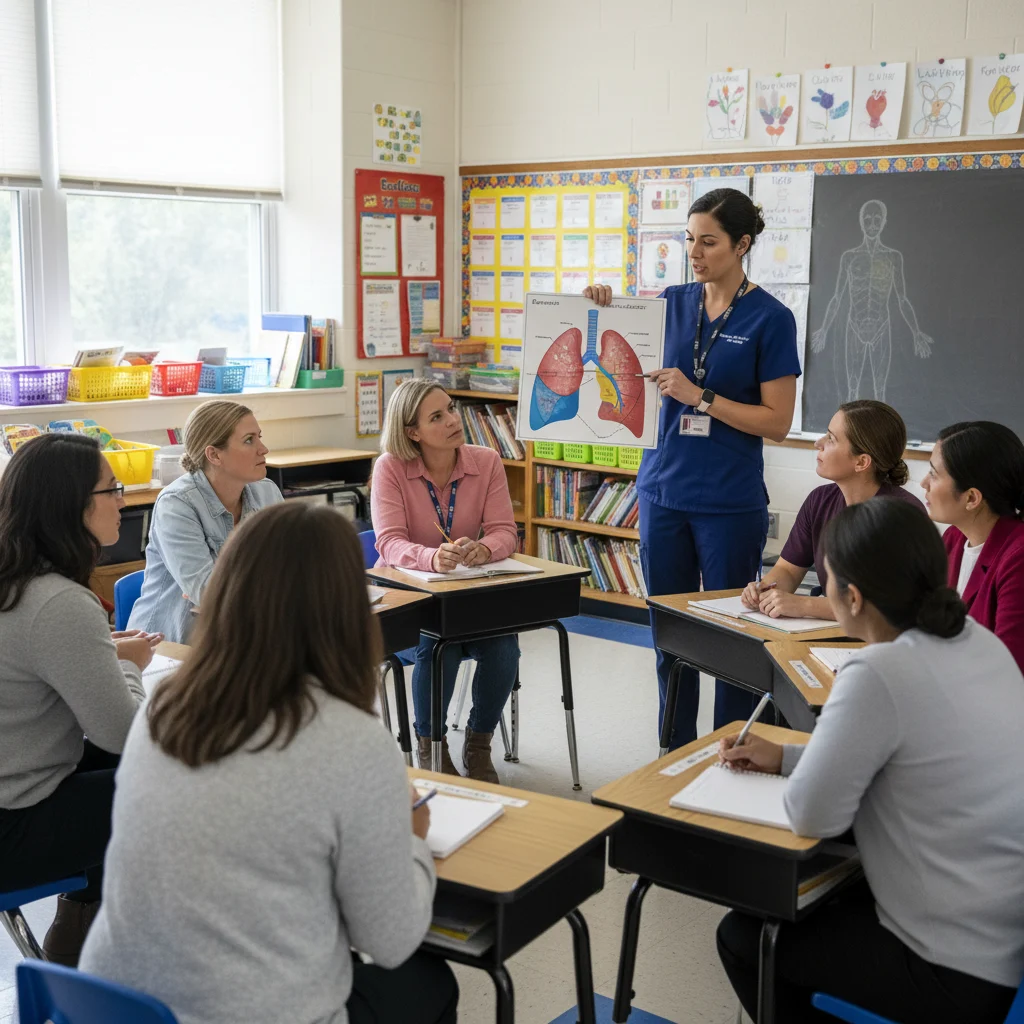
They also plan to run educational sessions for teachers. Many educators do not know how to spot the early, subtle signs of a flare-up.
“Sometimes it isn’t a loud wheeze,” says Marcus Green, a pediatric nurse coordinator joining the Wayne County initiative. “Sometimes a child just gets unusually quiet, or their chest moves slightly differently when they breathe. If we teach teachers to spot those signs five minutes earlier, we can prevent an emergency room run.”
Get Free $500 Amazon Gift Cards
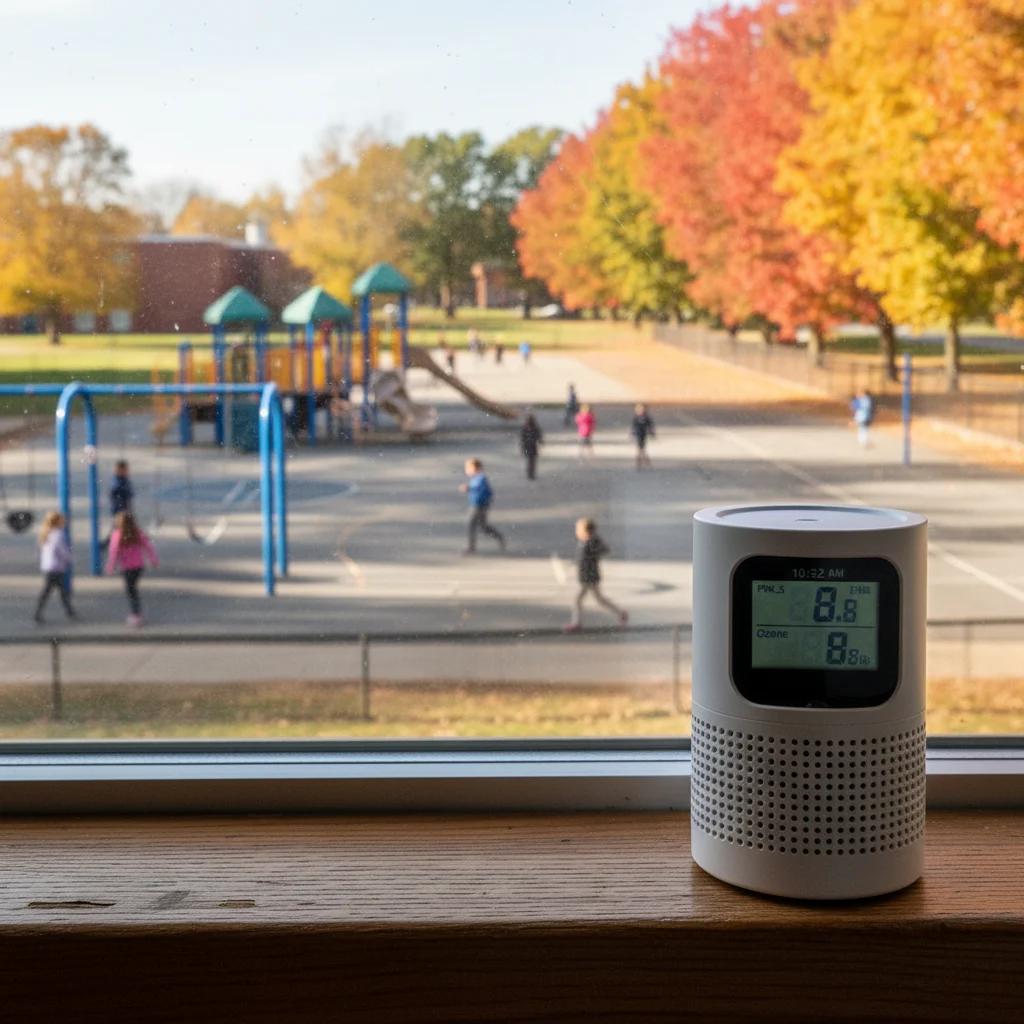
The teams will also monitor real-time outdoor air quality data. On days when ozone or particulate levels rise, they will advise school principals to move recess indoors and keep high-risk students monitored closely.
A Proactive Shift in Public Health
This initiative represents a significant shift in how local governments handle pediatric health. Traditionally, public health departments have been reactive. They track hospital admissions after the fact or issue general air quality warnings that busy parents might miss.
El-Sayed’s approach brings clinical resources directly to the children.
“For too long, we’ve expected families to navigate these environmental hazards on their own,” El-Sayed noted. “If a child lives near a major freeway or a manufacturing plant, their ability to breathe safely at school shouldn’t depend on whether their parents could get them to a specialist three months ago.”
The program is funded through a mix of county health funds and state environmental justice grants. If successful in October, officials hope to expand the initiative to other parts of Wayne County by early spring, another notorious season for asthma triggers.
The Parent and Educator Perspective
For parents in Dearborn, the initiative brings a sense of relief.
Mariam Al-Husseini has two children attending school in Dearborn. Both have asthma. Every fall, she dreads the phone call from the school nurse telling her that her son or daughter is struggling to breathe.
“You worry every single day,” Al-Husseini said. “You send them to school hoping the air inside is safe, but you know the trucks are still driving by outside. Having medical professionals right there in the building makes me feel like we aren’t fighting this alone anymore.”
Teachers, too, welcome the extra eyes and ears. With classrooms already crowded, managing chronic health conditions can overwhelm educators who lack medical training.
By placing specialists directly in schools during the peak risk month, Wayne County is testing a model that could be replicated nationwide. The next few weeks will show if this localized, aggressive approach can finally flatten the curve of October’s asthma hospitalizations.