Fortnite Players Protest Epic Games’ New Skin Bidding System
Epic Games is facing heavy backlash over a trial system that lets players bid V-Bucks on ultra-rare legacy Fortnite skins.
Fortnite Players Revolt Over New Skin Bidding System
Fortnite’s Item Shop has always operated on a simple premise: you see a skin you like, you pay the listed price in V-Bucks, and it’s yours. But a new experimental feature is threatening to throw that predictable system out the window. Epic Games is currently testing a “dynamic bidding” mechanic for some of the game’s oldest and rarest cosmetic items, and the community is absolutely furious.
The trial, which quietly rolled out to a limited group of players in select regions this week, allows users to bid V-Bucks against each other to secure highly coveted “legacy” skins. These are items that haven’t appeared in the shop for years—sometimes over a thousand days. Instead of a flat fee of 1,500 or 2,000 V-Bucks, the price now scales based on real-time player demand, effectively turning the Item Shop into an auction house.
How Dynamic Bidding Works
According to leaks from prominent Fortnite community figures, the system operates in two distinct formats. The first is a classic auction where the highest bidder wins the skin at the end of a 24-hour cycle. The second is a Dutch auction style, where the price starts incredibly high—sometimes upwards of 10,000 V-Bucks (roughly $80 USD)—and slowly drops until the limited stock sells out.
Epic Games defended the move in a brief support update, stating the test is part of an effort to “find balanced ways to bring back classic cosmetics while preserving their unique status in the community.” But for most players, the justification feels like a thin veil for corporate greed.
A Wildfire of Community Backlash
Social media platforms like X and Reddit quickly erupted with anger as screenshots of the high prices began to circulate. Many players argue that the bidding system exploits the fear of missing out (FOMO) and alienates younger players who cannot compete with older, wealthier users—often referred to in the gaming industry as “whales.”
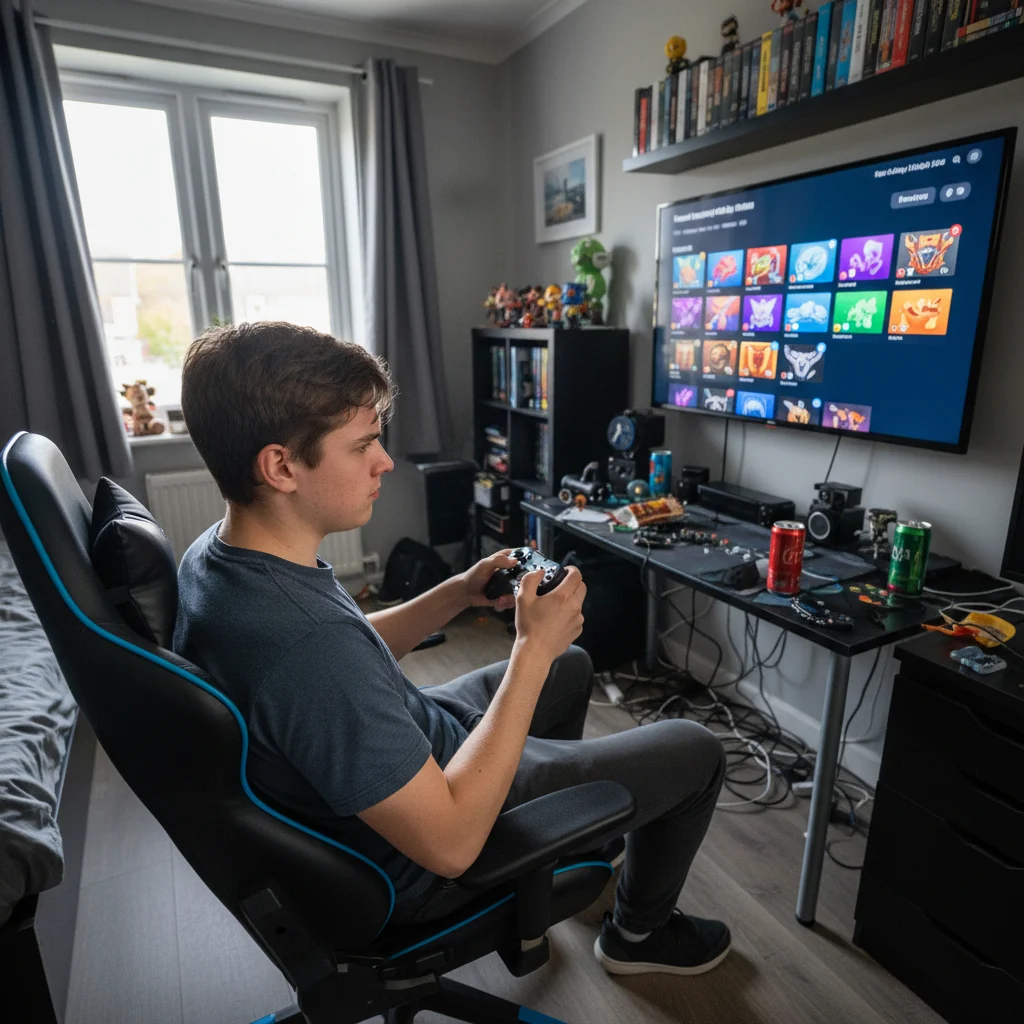
“This is an absolute disaster,” wrote one prominent Reddit user in a thread that gained over 15,000 upvotes in under twelve hours. “We’ve been begging Epic to bring back skins like the original Travis Scott or Renegade Raider for years. Now they’re finally doing it, but only for the people who can afford to drop a hundred bucks on a single digital outfit. It completely ruins the fun of the game.”
The controversy touches on a sensitive nerve. Rare skins in Fortnite aren’t just cosmetic; they are status symbols. Running around the battle royale island wearing a skin from Chapter 1, Season 1 signals to other players that you are a veteran. By putting these skins behind a bidding war, players argue Epic is cheapening that history while simultaneously price-gouging.
The Economic Shift in Free-to-Play Gaming
Industry analysts suggest this move points to a broader trend in the live-service gaming sector. As user acquisition slows down, developers are looking for new ways to increase the average revenue per user. Auction houses and dynamic pricing are common in massive multiplayer online games, but they are relatively unprecedented in casual, mainstream shooters like Fortnite.
- Dynamic pricing can artificially inflate the perceived value of digital goods.
- Limited-run auctions encourage impulse buying and panic-spending.
- The system risks alienating casual players who form the backbone of the player base.
“It’s a risky strategy,” says Sarah Brent, an independent video game monetization consultant. “Epic is testing the limits of what their player base will tolerate. If they push too hard, they risk a permanent drop in player goodwill, which is incredibly hard to rebuild. But if the test proves highly profitable despite the noise, we could see this become a permanent fixture.”
What Lies Ahead for the Item Shop?
This is not the first time Epic Games has faced pushback over its monetization strategies, but it is certainly one of the most vocal rebellions in recent memory. Fortnite has built its empire on being accessible and relatively fair in how it sells cosmetics. This bidding system threatens to upend that reputation.
For now, Epic says the system is purely in an experimental phase and may not roll out globally. However, with community anger showing no signs of slowing down, the developers might have to pull the plug on the experiment sooner rather than later. Whether Epic listens to the outrage or follows the money remains to be seen.