Fortnite’s EU iOS Comeback: Epic’s Market Share Two Years Later
Two years after Europe’s DMA forced Apple to allow rival stores, we examine the market share and hurdles of the Epic Games Store on iOS.
The Clash of the Tech Giants Two Years On
Brussels promised a digital revolution. When the European Union’s Digital Markets Act (DMA) forced Apple to crack open its walled garden in March 2024, mobile gamers expected immediate, sweeping changes. Fast forward to 2026. The dust has settled, and the Epic Games Store (EGS) has spent two full years operating on iOS within the EU. Fortnite is officially back on iPhones. However, the crushing victory Epic CEO Tim Sweeney envisioned has not quite materialized. Instead, the situation has evolved into a grinding, highly tactical trench war.
The Cold, Hard Numbers
How much ground has Epic actually won? Let’s look at the numbers. According to recent data from European mobile market analysts, the Epic Games Store currently holds a modest 5.8% market share of active iOS devices in the European Union. Out of the roughly 130 million iPhone users in the region, about 7.5 million log into the EGS at least once a month. It is a solid, undeniable foothold. Still, it is a far cry from the dominant position the store enjoys on PC.
The driving force behind these numbers remains completely predictable. Fortnite, alongside Fall Guys and Rocket League Sideswipe, accounts for over 85% of all installations on the mobile marketplace. Without Epic’s heavy-hitting first-party titles, the store’s independent footprint would be virtually nonexistent.
The Psychology of the ‘Scare Screen’
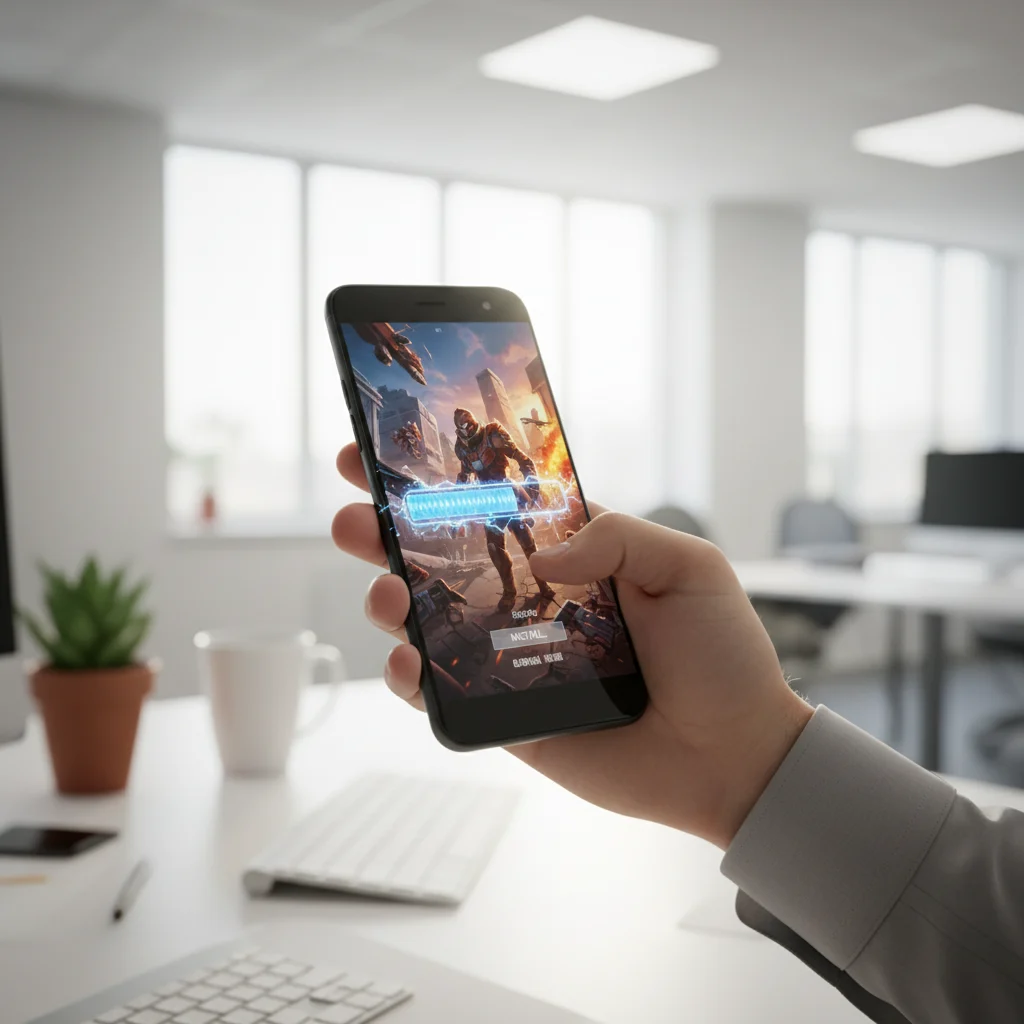
Why has growth been so slow? The answer lies in what industry insiders call user friction. When an EU user attempts to install the Epic Games Store, Apple’s iOS triggers a series of security warnings and multi-step prompts. These alerts warn users of potential data risks and bypass safety guarantees.
“Apple built a highly effective digital maze,” explains independent mobile ecosystem analyst Marcus Thorne. “It takes five to six separate taps, each filled with technical language designed to make a casual user hesitate, just to get Epic’s store onto a phone. For the average player, that is an incredibly high barrier to entry.”
The Core Technology Fee Trap
Then there is the financial reality of Apple’s revised EU business terms. Third-party marketplaces must pay a Core Technology Fee (CTF) of €0.50 for every first annual install after the first million downloads. For a free-to-play game like Fortnite, this model carries massive risk.
If ten million players download a free game, the publisher owes Apple €4.5 million, even if none of those players ever buy in-game currency. Epic has absorbed these heavy costs so far, leveraging its deep PC and console revenues to subsidize this EU mobile experiment. But smaller developers simply cannot afford the gamble. Consequently, the EGS on iOS remains a first-party showcase rather than the thriving, multi-publisher hub Epic originally promised.
A Fractured App Ecosystem
Despite these steep hurdles, Epic has succeeded in shifting player behavior. European consumers have grown accustomed to sideloading, a practice once completely alien to the Apple ecosystem.
“We have proven that the monopoly can be cracked,” Tim Sweeney noted during a recent tech panel in Berlin. “But Apple is still charging rent on a house they did not build. We are fighting for a zero-fee future.”
Other rival storefronts, such as AltStore PAL and Mobivision, have carved out even smaller, hyper-specific niches. They mostly cater to retro emulator enthusiasts and niche productivity tools. This leaves Epic as the undisputed leader of the alternative iOS market in Europe, even if it is a relatively small pond for now.
What Lies Ahead
The story is far from over. The European Commission is still auditing Apple’s compliance with the DMA. If regulators decide that the CTF and the complicated warning screens violate the spirit of the law, Apple could face massive antitrust fines. They could even be forced to dismantle these user barriers entirely. Until then, Epic’s mobile comeback remains a qualified success. Fortnite is back on European screens, but the dream of a completely open mobile market remains a work in progress.