How Fortnite Tracker’s New Tools Are Reshaping FNCS Scouting
New real-time heatmaps and AI metrics are changing how esports coaches scout players for the 2026 FNCS Winter Invitational.
Esports scouts aren’t just watching VODs anymore. They are staring at data streams.
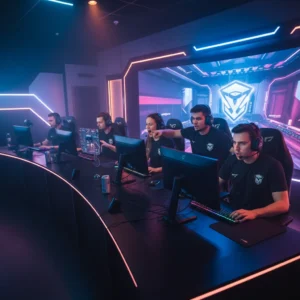
With the Fortnite Champion Series (FNCS) 2026 Winter Invitational just months away, the race to build the perfect duo has taken a highly technical turn. The catalyst? Fortnite Tracker’s latest suite of tools designed specifically for Chapter 7. The platform, long used by casual players to track basic stats, has quietly rolled out advanced real-time heatmaps and AI-driven performance metrics. It has quickly become the secret weapon for professional coaches looking to gain an edge before the $2 million tournament in Copenhagen this February.
The Chapter 7 Scouting Crisis
Chapter 7 brought massive changes to the island. New movement mechanics, unpredictable storm patterns, and highly vertical points of interest have thrown old strategies out the window. Standard scouting—watching a player’s stream or looking at leaderboard placement—no longer tells the whole story. A duo might dominate in regional qualifiers but struggle in lobbies with different storm surge dynamics.
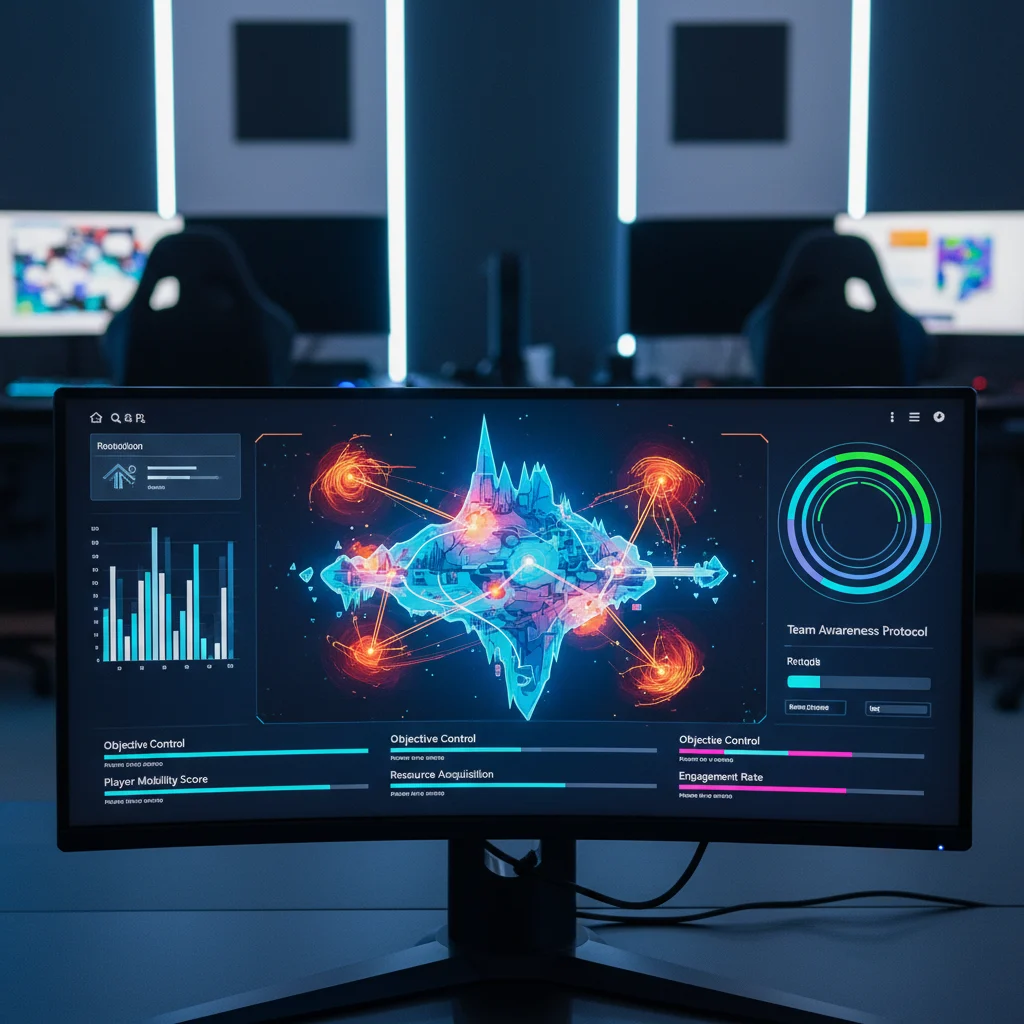
That is where the new real-time heatmaps come in. Instead of just showing where a player died, these maps track entire rotation paths, looting speeds, and building efficiency in real time. They compile thousands of matches to show exactly where lobbies congest during the crucial third and fourth zones.
Unpacking the AI Metrics
Sarah Chen, an independent esports analyst, says the level of detail is unprecedented.
- Storm Surge Efficiency: This tracks how safely a player secures surge damage without exposing themselves to return fire.
- Early-Game Survival Index: A metric measuring drop-to-loot speed and immediate survival rates in highly contested zones.
- Clutch Probability: An AI-generated score evaluating a solo survivor’s movement choices against historical winning paths.
“Before, we had to manually map out where teams rotated,” Chen explains. “It took hours. Now, Fortnite Tracker shows us the exact paths players take, color-coded by how much damage they took along the way. If a duo constantly takes damage during mid-game rotations, the data flags it instantly.”
Finding Hidden Talent in the Data
For Marcus “Ember” Vance, head coach for Vanguard Esports, these metrics have changed how he scouts potential recruits. Vance used the new heatmaps to scout his organization’s newest duo partner.
“We aren’t just looking for mechanical gods anymore,” Vance says. “Everyone in the pro lobby can aim and build. We want the players who make smart decisions when the chaos hits. These AI tools help us find those hidden gems who might not be on top of the leaderboard yet but have incredible situational awareness.”
Vance’s scouted player had average placement stats overall, but their early-game survival index was in the top one percent. They were simply getting let down by poor mid-game decisions from their previous partner. “We paired them up with a veteran in-game leader, and the results in scrims have been incredible,” Vance adds.
The Death of Secret Drop Spots
The timing of these updates is crucial. The 2026 Winter Invitational will feature 50 of the world’s best duos, and the margins between victory and going home empty-handed are razor-thin. Teams that fail to adopt these data-driven scouting methods risk falling behind.
However, some pros have expressed concerns about the democratization of this data. With anyone able to access detailed heatmap analytics, keeping a secret drop spot or a unique rotation path is nearly impossible. A team’s signature strategy can be analyzed, dissected, and countered within a few hours of tournament play.
Still, the consensus among the elite is clear: the data revolution is here to stay. As the road to Copenhagen heats up, the teams who best translate Fortnite Tracker’s raw data into in-game strategy will likely be the ones lifting the trophy.