How Fortnite’s New Dynamic PR is Changing Esports Scouting
Fortnite Tracker’s new Dynamic PR system is shaking up esports scouting ahead of the 2026 FNCS Invitational by ranking players on recent performance.
The competitive Fortnite scene is preparing for its biggest year yet. But as players gear up for the 2026 FNCS Invitational, the real battle is happening on screens filled with spreadsheets and data feeds. Tracker Network, the platform behind the ubiquitous Fortnite Tracker, has launched a new system called Dynamic PR. It is quietly changing the rules of esports scouting.
For years, power rankings—commonly known as PR—were simple. You played in a tournament, you got points, and those points piled up forever. It was a cumulative ladder. But this created a massive problem for professional teams looking to sign fresh talent.
The Problem with the Old Way
"Classic PR became a lifetime achievement award," says Marcus Vance, a veteran esports scout who has helped major organizations build their rosters. "You had players who dominated two years ago still sitting in the top fifty, even though they hadn’t made a grand final in months. Meanwhile, some fifteen-year-old prodigy was wiping lobbies but couldn’t get a look because their lifetime score was too low."
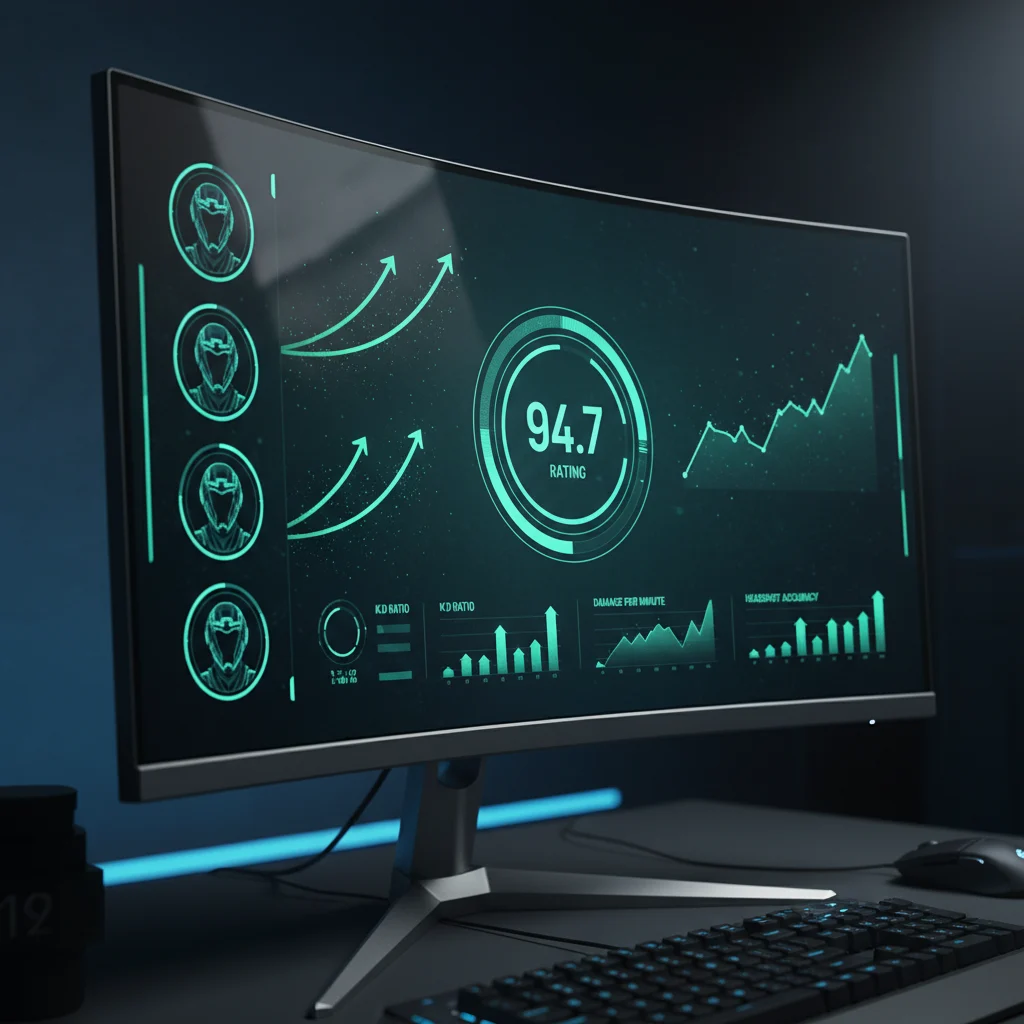
Dynamic PR fixes this by introducing a rolling decay algorithm. The new metric focuses heavily on what a player has done lately. Points earned in the last fortnight carry the most weight. After that, their value drops off a cliff. If a player goes inactive for a month, their Dynamic PR plummets, regardless of how many trophies they won in the past.
The algorithm also looks at who you are playing against. It evaluates lobby difficulty, regional strength, and tournament tiers. Winning a highly competitive European Cash Cup now yields far more weight than dominating an easier bracket in a smaller region.
The Mad Scramble for the 2026 FNCS Invitational
This shift has sent shockwaves through the competitive community ahead of the 2026 FNCS Invitational. With millions of dollars in prize money on the line, esports organizations cannot afford to make mistakes. Teams like G2 Esports and Karmine Corp are reportedly using the new metric to vet potential recruits and analyze opposing duos.
For the players, the pressure has never been higher. It is a brutal system. But it is fair.
"You simply cannot coast anymore," says European pro player Leo "Vortex" Dupont. "Before, if you had a huge PR score, you could take a few weeks off to rest and still look like a premium recruit. Now, if you step away, your numbers tank. The teams see that immediately. It keeps everyone on a constant grind."
A Highly Active Transfer Market
This real-time volatility has led to a highly active transfer market. Duos are splitting up at the first sign of stagnation. Players are constantly hunting for partners who can help boost their active scores. It is a cutthroat environment, but analysts argue it is exactly what the scene needed.
- Organizations can now spot rising stars weeks before they hit the mainstream.
- Established players are forced to remain active to maintain their market value.
- Regional bias is reduced because the algorithm accounts for lobby difficulty.
"It forces organizations to look at actual performance metrics rather than name recognition," Vance explains. "We are seeing unsigned, relatively unknown duos get picked up because their Dynamic PR surged over a six-week period. It democratizes the scouting process."
As the road to the 2026 FNCS Invitational heats up, Dynamic PR will face its ultimate test. Whether the players dominating this new leaderboard will actually lift the trophy remains to be seen. But for now, the days of relying on past glory are officially over.