Epic’s Fortnite Disney World: How UE6 Powers the New Digital Park
Inside Epic Games’ ambitious late-2026 plans to build a persistent Disney universe in Fortnite using next-gen Unreal Engine 6 technology.
It is one of the most ambitious entertainment bets in recent memory. When Disney dropped $1.5 billion into Epic Games, people knew something big was coming. But this isn’t just about dropping Mickey Mouse skins into Fortnite’s item shop. Instead, Epic is building a sprawling, persistent digital universe directly alongside its flagship battle royale. Insiders are already calling it a digital Disney World.
Scheduled to launch in late 2026, the project aims to redefine what we think of as virtual spaces. It relies heavily on a technology still in the pipeline: Unreal Engine 6. This next-gen game engine promises to do what current tech cannot. It will seamlessly link massive, distinct digital worlds while handling millions of players at once without breaking a sweat.
Beyond the Theme Park Walls
What will this ecosystem actually look like? Think of it as a virtual playground where several massive fandoms live under one roof. Users won’t just look at Cinderella’s Castle. They will play games, create their own environments, buy physical and digital merchandise, and watch live events.
Epic Games CEO Tim Sweeney has been vocal about his vision for this space. He wants to move past the era of isolated digital gardens. Right now, if you buy something in one game, you cannot use it in another. Unreal Engine 6 wants to shatter those walls.
The goal is a level of interoperability that doesn’t exist yet in mainstream gaming. Epic wants a world where your digital avatar can jump from a competitive Fortnite match into a highly detailed Star Wars roleplaying zone, and then over to a Pixar-themed creative space. You should be able to do all of this without changing your outfit or feeling a hitch in performance.
The Unreal Engine 6 Difference
Current game engines are incredibly powerful, but they have limits. When a server gets crowded, performance drops. To make a persistent, global space work, Epic needs a new foundation. That is where Unreal Engine 6 comes in.
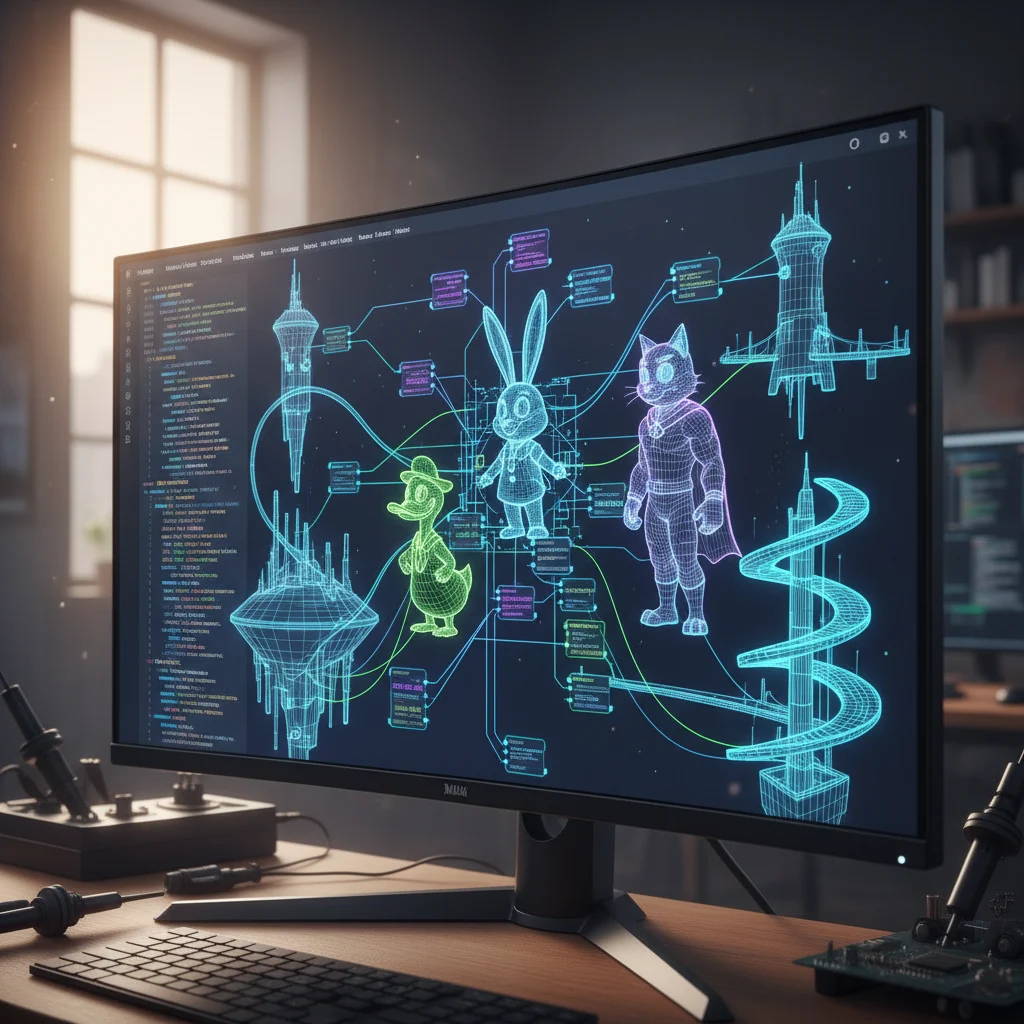
This upcoming engine is designed to treat different games and social spaces as interconnected nodes on a single, massive network. It will allow creators to build high-fidelity graphics that scale dynamically. Whether you are playing on a high-end gaming PC or a five-year-old smartphone, the world should load instantly.
- Dynamic scaling for mobile and console players alike
- Shared persistence, meaning your actions leave a lasting mark
- Cross-IP integration that lets characters from different universes interact naturally
This is crucial for Disney. The entertainment giant wants a platform that is accessible to everyone, not just hardcore gamers. Grandmothers, toddlers, and competitive teens should all find a comfortable corner in this digital space.
A New Commerce Model
The financial implications are staggering. This partnership isn’t just about selling virtual lightsabers. It is about linking physical retail with digital experiences. Imagine buying a physical Lego set at a Disney store and instantly unlocking its digital counterpart in Fortnite. Or attending a virtual movie premiere in the digital park and ordering the physical Blu-ray or merchandise directly to your real-world house.
For Disney, it is a way to recapture younger audiences who spend more time in interactive media than watching traditional television. For Epic, it is the ultimate validation of their long-term metaverse strategy.
Hurdles on the Horizon
Building this world is not a guaranteed success. Late 2026 is still a long way off, and the technical challenges are immense. Epic must prove that Unreal Engine 6 can handle the sheer volume of users without crashing. There are also brand safety concerns. Disney is notoriously protective of its family-friendly image. How do you keep a virtual space safe for children when it shares a platform with a shooter game like Fortnite?
Epic already has some experience here, thanks to its Lego Fortnite integration, which features strict parental controls and age-rating systems. But scaling that up to a massive, persistent Disney universe is a different beast entirely. If they pull it off, the entertainment industry will look very different. The line between playing a game, watching a movie, and visiting a theme park will blur into a single, continuous experience.