How Fortnite Tracker’s Live Predictor Changes the Rank Grind
Fortnite Tracker’s new real-time ‘Rank Up’ predictor is changing how players grind Chapter 7 Ranked Arena by removing the guessing game.

The Mystery of the Rank Bar
Fortnite’s Ranked Arena has always felt like a bit of a mystery. You drop in, get four eliminations, finish in the top ten, and watch your rank bar nudge up by a measly three percent. The next game, you die early and lose double that. It is a frustrating cycle that has exhausted players for seasons. But the launch of Chapter 7 brought a quiet revolution. Tracker Network, the team behind the ubiquitous Fortnite Tracker, rolled out a real-time “Rank Up” predictor. It is completely changing how players approach the competitive grind.
How the Live Predictor Works
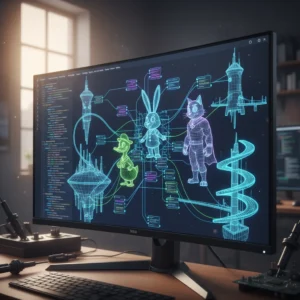
The new tool sits as an overlay or on a second screen. It does something Epic Games has long resisted: it pulls back the curtain on the game’s ranking algorithm. By analyzing live match data, opponent difficulty, and historical performance, the predictor tells you exactly what you need to do to hit the next tier.
Under the hood, the system uses a complex machine-learning model trained on millions of matches. Epic’s ranking system doesn’t just look at kills. It weighs when those kills happened, who you killed, and how long you survived. The Tracker Network tool estimates these variables in real-time. If you eliminate a player who is ranked higher than you, the predictor immediately updates your projected rank gains. It translates complex math into a simple, readable progress bar.
A Tactical Shift in the Lobby
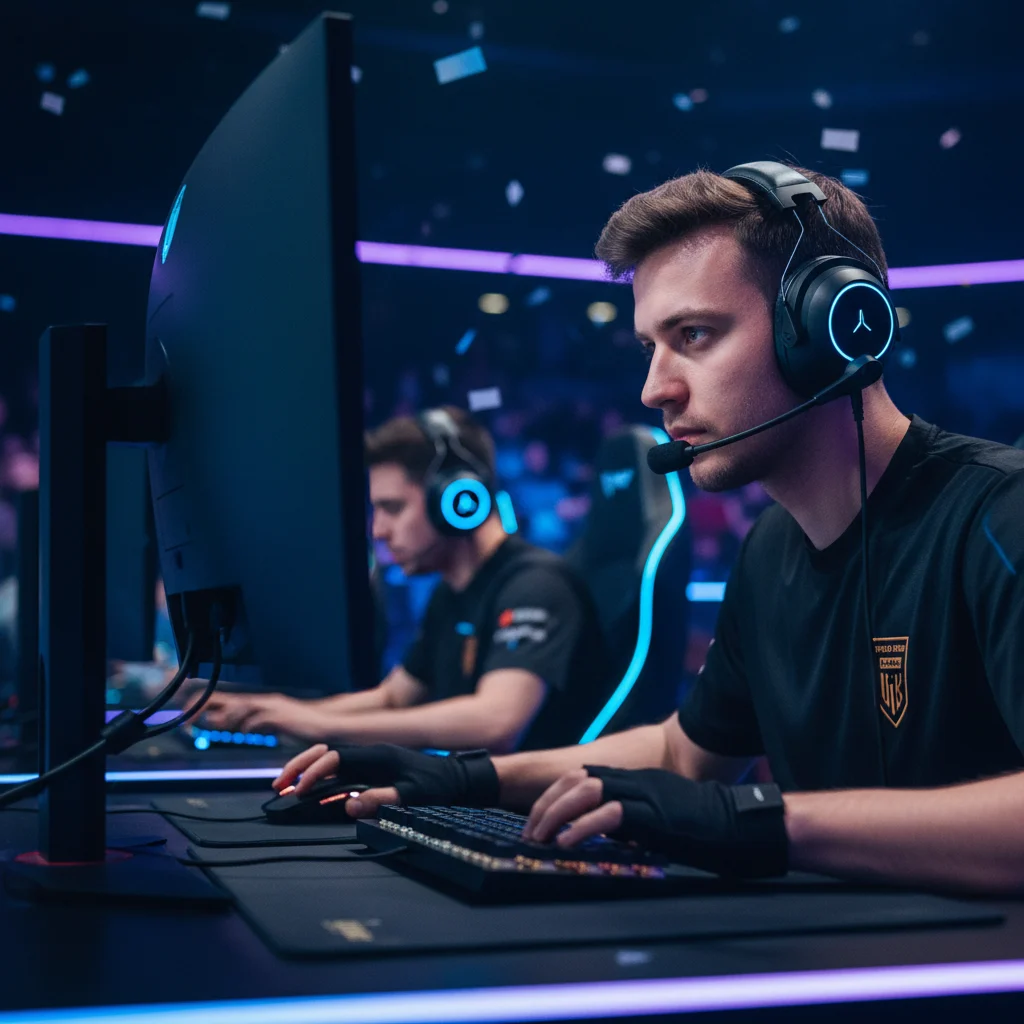
This level of detail has led to a massive shift in lobby dynamics, especially with Chapter 7’s new dynamic storm zones and kinetic siphon mechanics. Players are using the live tool to make split-second survival decisions. “Before this, we were playing completely blind,” says semi-professional player Marcus “Kovaak” Vance. “You’d get to Champion rank and just guess how many games you needed for Unreal. Now, I look at my second monitor and see I need exactly one storm surge tag and a top-five finish to secure the rank. It completely shifts how I play the end-game.”
If the predictor shows that a passive, placement-focused strategy will push them over the threshold, players will avoid mid-game fights entirely, choosing to rotate early. On the flip side, if the tool indicates they need high-value kills to offset a poor start, they know they have to play aggressively and hunt down opponents.
The Community’s Mixed Reaction
Not everyone is thrilled about the tool’s sudden popularity. Some community members argue it takes the raw emotion out of the game. They feel it turns a high-stakes battle royale into a spreadsheet exercise. “It kind of ruins the magic,” casual player Sarah Chen wrote in a viral Reddit thread. “Part of the fun was that tension at the end-of-game screen. Now, it’s just min-maxing stats.”
Despite the criticism, the competitive scene has fully embraced it. With Chapter 7’s meta focusing heavily on fast-paced movement tools, having accurate data is a massive advantage. Tracker Network has stated they plan to refine the tool further as Epic tweaks the ranked algorithm throughout the season. For now, the predictor has become as essential to the grind as a good headset or a low-latency monitor. It is no longer just about who has the best aim, but who has the best information.