Fortnite Tracker Live Tools Spark FNCS Integrity Debate
A new live match telemetry tool from Fortnite Tracker has split the competitive community ahead of the 2026 FNCS Global Championship.
The competitive Fortnite scene is bracing for a massive shakeup. A new suite of real-time telemetry tools from Tracker Network, the creators of Fortnite Tracker, has divided players, coaches, and analysts. The debate is getting heated, and it comes at the worst possible time: just months before the highly anticipated 2026 FNCS Global Championship.
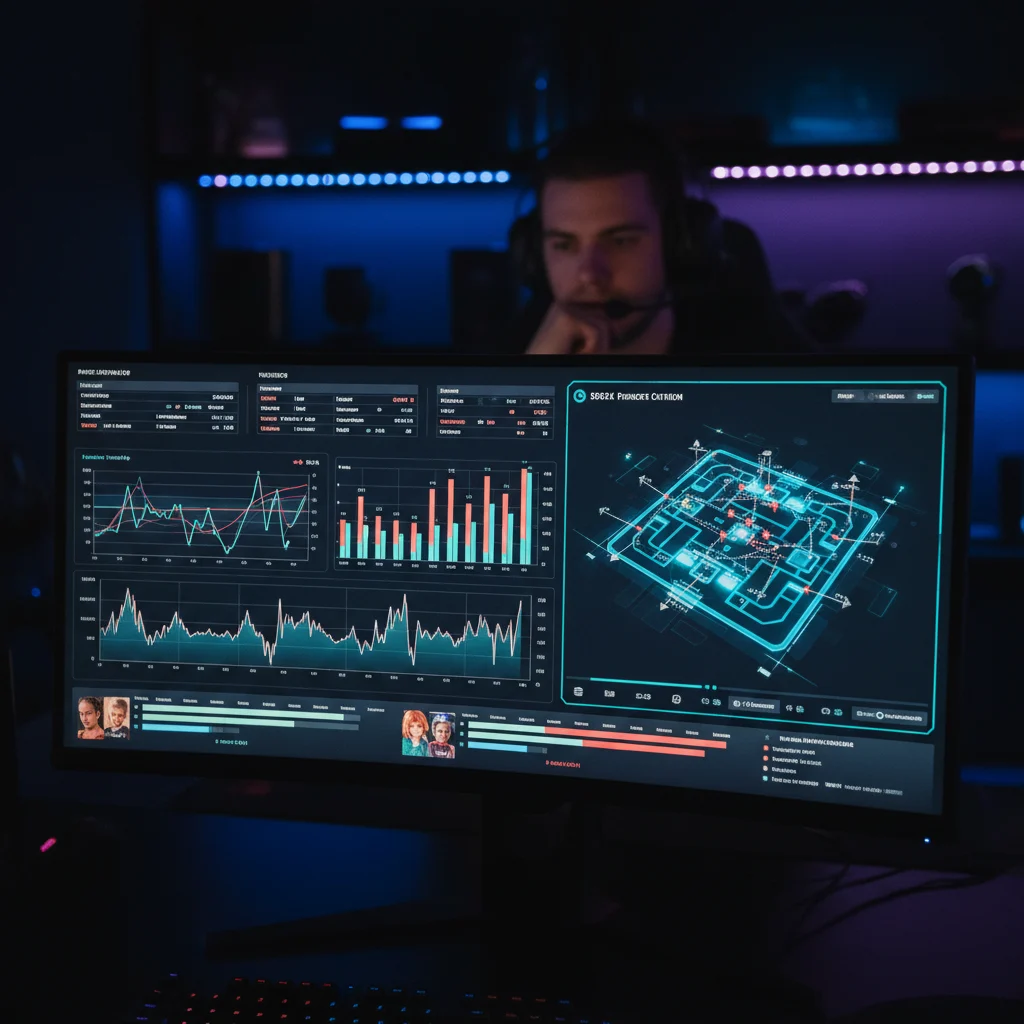
For years, Fortnite Tracker served as a digital record book. Players used it to look up past matches, check leaderboards, or analyze their general performance over a season. It was a post-match routine. Now, that has changed. The platform’s new telemetry suite streams live match data directly from active lobbies. This includes real-time health pools, inventory updates, current storm surge margins, and live rotation coordinates.
The Fight for Information
In high-stakes battle royales, information is the most valuable resource on the map. Knowing which path an opponent is taking or exactly how much storm surge damage a rival duo needs to survive can alter the course of a match. With millions of dollars on the line at the 2026 Global Championship, teams are looking for any advantage they can legally find.
Some coaches are thrilled. They argue that these tools bring esports closer to traditional sports. In Formula 1, engineers stare at walls of live telemetry data to guide their drivers. Baseball managers rely on real-time situational statistics to make quick decisions. For these advocates, live data tracking simply raises the skill ceiling of the sport, allowing for deeper tactical execution.
But not everyone is convinced. Critics argue the tool ruins the core spirit of a battle royale. “It takes away the raw, split-second decision-making that makes Fortnite special,” says veteran competitive analyst Marcus Carter. “If you have an analyst sitting in the background feeding you live rotation coordinates and enemy inventory updates, you are no longer playing on pure instinct. You are just executing a computer-generated blueprint.”
Epic Games Remains Silent
The controversy puts Epic Games in a tight spot. The publisher has always maintained strict rules against third-party software that alters gameplay or injects code into the game client. However, Tracker Network’s tool does not touch the game files. It scrapes data from official public API endpoints and server-side spectator feeds.
Technically, no rules are being broken. Yet, the sheer depth of the information provided sits in a massive grey area. If one team has a dedicated coach translating live telemetry data on a second monitor while another team relies solely on their in-game screens, the playing field is no longer level. Epic Games has yet to issue an official statement on whether these live tools will be banned or restricted during official FNCS broadcasts and qualifier matches.
An Arms Race of Data
If Epic does not step in, the competitive scene will have to adapt quickly. Pro players are already predicting a data arms race. Teams without the budget to hire dedicated analysts to read the live feeds during matches could find themselves at a distinct disadvantage.
“We are going to see a divide,” says pro player Thomas Vance. “The big organizations will have a whole war room analyzing this telemetry in real-time. Solo players or smaller duos won’t stand a chance. It changes the game entirely, and not necessarily for the better.”
With the 2026 FNCS Global Championship fast approaching, the community is demanding clarity. Tournament organizers will need to decide where to draw the line between modern sports science and unfair external assistance. Until then, the data keeps flowing.