Coin Master Scam: Urgent Warning Over Fake Spin Generator
Cybersecurity experts warn Coin Master players about a viral October 2026 ‘no-wait’ spin generator scam spreading dangerous malware on mobile devices.
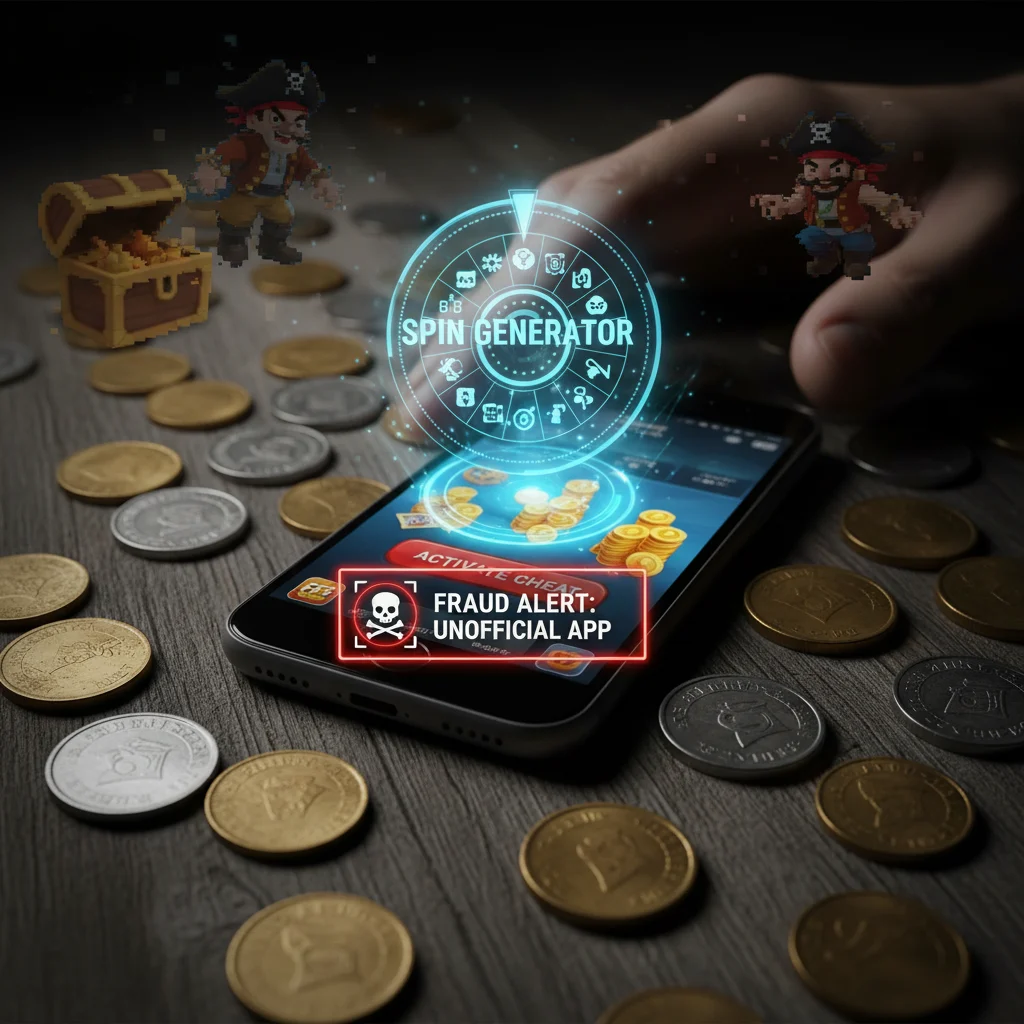
A viral scam targeting Coin Master players is spreading rapidly across social media platforms this October. Cybersecurity experts are warning that the scheme, which promises unlimited free spins, is actually a delivery mechanism for a dangerous new strain of mobile malware.
The threat was first flagged on October 12, 2026, by researchers at Aegis Cyber Security. Dubbed the ‘No-Wait Spin Generator,’ the scam primarily targets younger gamers through highly convincing short-form videos on TikTok, YouTube Shorts, and Instagram Reels.
These videos show screen recordings of players supposedly bypassing the game’s standard waiting periods to rack up thousands of free spins instantly. In reality, the clips are cleverly edited. They lure unsuspecting victims to malicious websites that masquerade as legitimate gaming utility tools.
How the October 2026 Spin Generator Scam Works
‘This is one of the most aggressive social engineering campaigns we have seen targeting mobile gamers this year,’ said Marcus Vance, lead mobile threat researcher at Aegis. ‘The scammers are capitalizing on the game’s high-stress, reward-driven mechanics. Players are often impatient for their next spin, making them easy targets.’
Once a user clicks the link in the video description or bio, they are directed to a professional-looking landing page. The site asks for their Coin Master username and device type. After a fake loading animation, the site claims the spins are ready but requires the user to ‘verify their humanity’ by downloading a sponsored app or utility.
This utility is actually a trojanized file. Aegis has named the malware ‘SpinStealer.’
Inside the ‘SpinStealer’ Mobile Malware
Once installed on an Android or iOS device, SpinStealer runs silently in the background. It does not just display annoying pop-up ads. According to the Aegis threat report, the malware actively scans the infected device for:
- Stored session cookies and browser passwords
- Cryptocurrency wallet details and credentials
- Two-factor authentication codes sent via SMS
By hijacking these details, hackers can easily compromise the victim’s personal bank accounts and social media profiles.
The Psychology of Mobile Gaming Scams
Mobile gaming scams are not new, but the scale of this October outbreak has caught security analysts off guard. Coin Master, developed by Moon Active, remains one of the highest-grossing mobile games globally, boasting millions of daily active players. Its core gameplay relies heavily on slot-machine-style spins, which players must either wait hours to regenerate or purchase with real money. This artificial scarcity creates a lucrative market for bad actors.
‘The psychological trick here is simple but highly effective,’ Vance explained. ‘They are not just selling a cheat. They are offering a bypass to a paywall. When people think they are beating the system, they lower their guard.’
Aegis reports that over 45,000 infected downloads have already been traced back to this specific scam campaign in the first two weeks of October alone. The majority of the victims are located in North America and Western Europe, though the threat is global.
How to Protect Your Device
Security experts emphasize that there is no such thing as an external spin generator for Coin Master. The game’s data, including spin counts and coin balances, is stored securely on Moon Active’s cloud servers, not on the user’s local device. Any tool claiming to modify these numbers from the outside is a fraud.
Furthermore, players should never download apps from third-party websites or bypass their device’s built-in security settings. ‘If an app asks you to disable Google Play Protect or install an untrusted profile on your iPhone, close the tab immediately,’ Vance warned.
Moon Active has previously stated that it actively monitors for unauthorized third-party tools and will permanently ban accounts found using them. Players who believe they have already fallen victim to the scam should immediately uninstall any recently downloaded apps, run a comprehensive mobile antivirus scan, and change their critical passwords.