TikTok Coin Master Scam: Fake Spin Generators Explode
Cybersecurity experts warn of viral TikTok videos pushing fake Coin Master spin generators that steal personal data and trick users into paying fees.
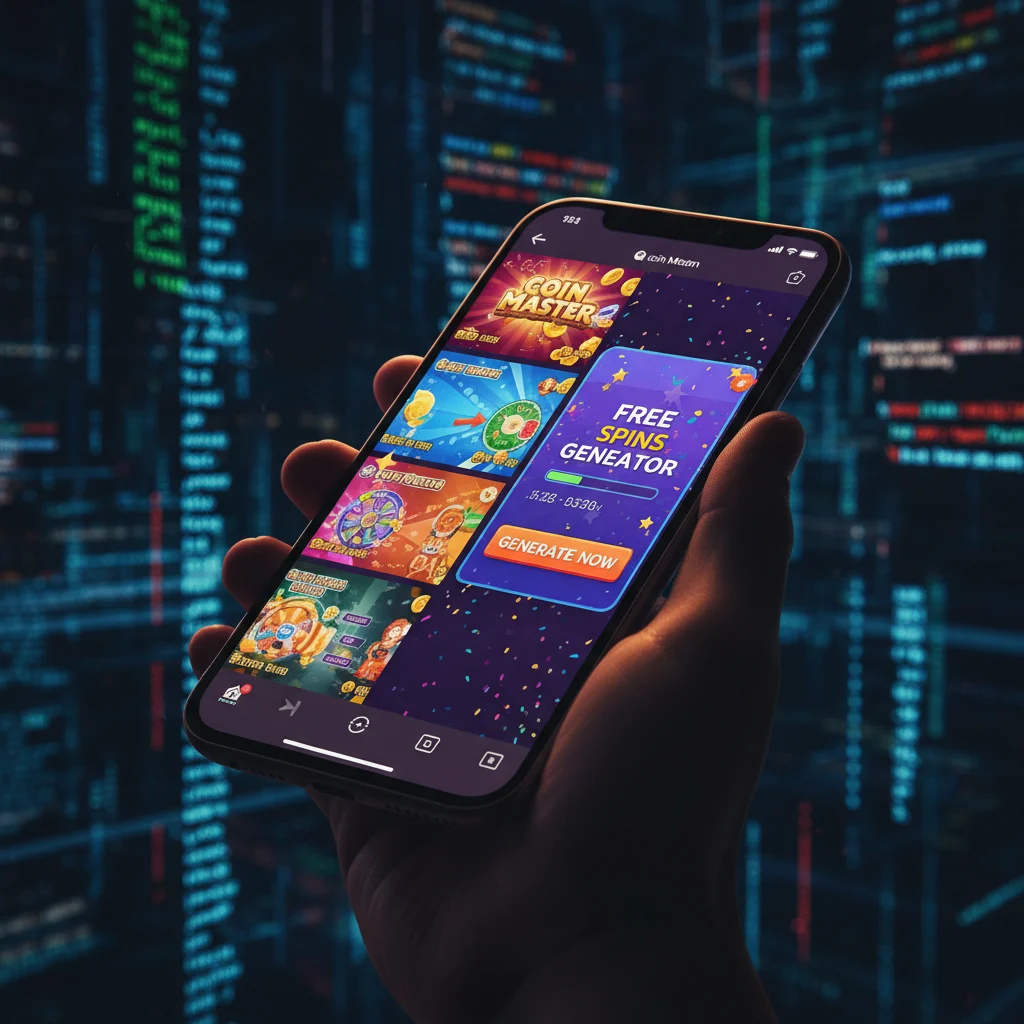
If you spend any time on TikTok, you have probably seen them. Bright, flashy videos promising an endless supply of free spins for the hit mobile game Coin Master. They look incredibly convincing. They show screen recordings of in-game counters ticking up by millions. But cybersecurity experts are warning that these videos are nothing more than a front for malicious phishing operations.
The scam is spreading fast. It exploits a simple reality: players are desperate for spins. In Coin Master, spins are the lifeblood of gameplay. You need them to build your village, attack competitors, and win virtual coins. Once you run out, you either have to wait hours for a refill or open your real-world wallet. That is where scammers step in with a tempting shortcut.
How the TikTok Spin Scam Works
The play-by-play of the scam is remarkably consistent. It starts with a short TikTok clip. Often, these videos feature upbeat music and artificial intelligence-generated voices explaining how easy the process is. The creator directs viewers to a link in their TikTok bio, claiming it leads to a secret, exclusive spin generator tool.
Clicking that link takes users away from TikTok and onto an external website. These landing pages are carefully designed to look authentic. They use official Coin Master graphics, color schemes, and fonts. The page asks for the player’s username and device type, supposedly to link the generator to their account. A fake loading screen then appears, showing lines of code running to simulate a database connection. It looks highly technical. It looks real.
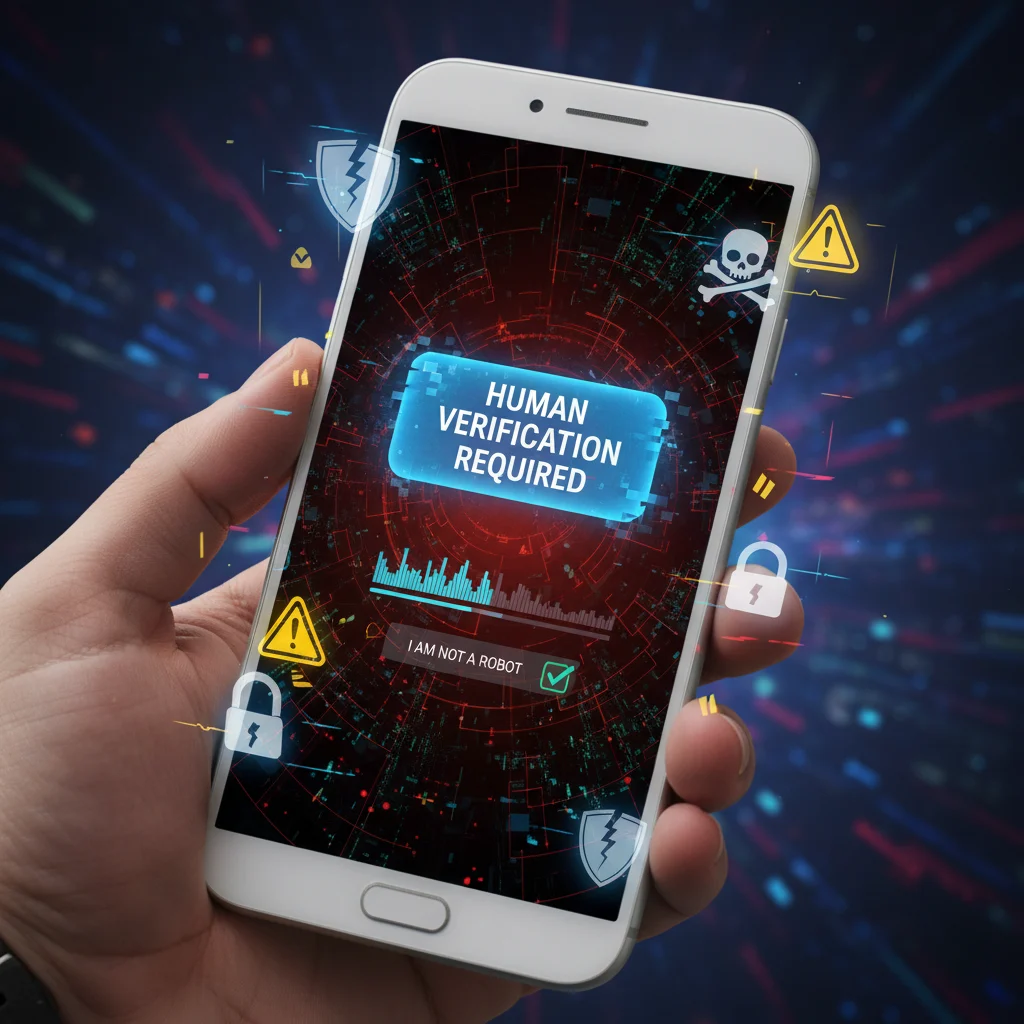
But then comes the catch. Before the promised spins can be credited to the account, the site demands human verification. This is where the actual trap is sprung. To prove they are not a robot, the user is forced to perform tasks. This usually means downloading sponsored mobile games, signing up for free trials, or completing detailed personal surveys.
The Cost-Per-Action Trap
This is a classic Cost-Per-Action (CPA) affiliate scam. Every time a hopeful player downloads an app or submits their email, the scammers get paid by advertising networks. The victim, however, gets absolutely nothing. The promised spins never arrive because the generator does not exist. It is a ghost.
But the threat is worse than just a waste of time. Some of these verification steps require users to input sensitive personal information. Security researchers warn that entering phone numbers can subscribe users to premium SMS services without their consent, leading to massive charges on their next phone bill. In other cases, the downloaded apps contain adware or spyware designed to track user behavior or steal login credentials.
Why TikTok Is the Perfect Playground
Why is this happening so much on TikTok? The answer lies in the platform’s algorithm. TikTok is designed to push engaging, high-interest content to massive audiences quickly. A video claiming to have a working Coin Master hack can rack up hundreds of thousands of views in a matter of hours before content moderators can flag it. For scammers, the low cost of creating a TikTok account combined with the high potential reach makes the platform a goldmine.
How to Stay Safe
Security experts advise players to remain highly skeptical of any external tools. Moon Active, the developer behind Coin Master, does not support or allow third-party generators. Any website claiming to alter the game’s code or inject currency is a fraud. The only safe way to get free spins is through the official daily links that Moon Active posts on their verified Facebook and X accounts.
For parents, this is a good time to have a quick chat with your kids. Since Coin Master appeals to a broad demographic, including younger players, kids are particularly vulnerable to these flashy videos. Teach them never to input their personal information or download unauthorized software in exchange for in-game items. If a deal looks too good to be true, it always is.