AI Scams Target Coin Master Gamers With Fake Spin Generators
Security experts warn of a new wave of scams using AI voice clones of popular influencers to trick Coin Master players into downloading malware.
The Frustration Trap
If you play Coin Master, you know the pain of running out of spins. It is the exact moment frustration sets in. Cybercriminals know this too. Recently, security researchers spotted a massive upgrade in how these scammers lure desperate players. They are now using artificial intelligence to build highly convincing, fake Coin Master spin generators.
These are not your typical poorly written spam messages. The new campaigns use sophisticated deepfakes. Fake TikToks, Instagram Reels, and YouTube Shorts feature cloned voices of popular gaming influencers. They claim to have discovered a secret glitch or a backdoor tool that gives players thousands of free spins. It looks real, it sounds real, but it is a trap.
How the AI Scam Works
Security analysts at Guardio Labs recently flagged this growing campaign. According to their findings, the scammers are exploiting the massive player base of the mobile giant. Moon Active’s hit game has been downloaded over 100 million times. Because the game’s economy relies heavily on a limited number of daily spins, players often hit a wall where they must either pay real money or wait hours. That is where the AI-powered trap is sprung.
A typical attack follows a simple but highly effective sequence:

- The Hook: A player scrolls through social media and sees a video of a well-known gaming creator. The creator’s voice, perfectly cloned by AI, explains that a new online tool can inject free spins directly into any user account.
- The Landing Page: The video directs the player to a professional-looking website. The page features fake live-chat feeds and artificial reviews from other players claiming the generator worked for them.
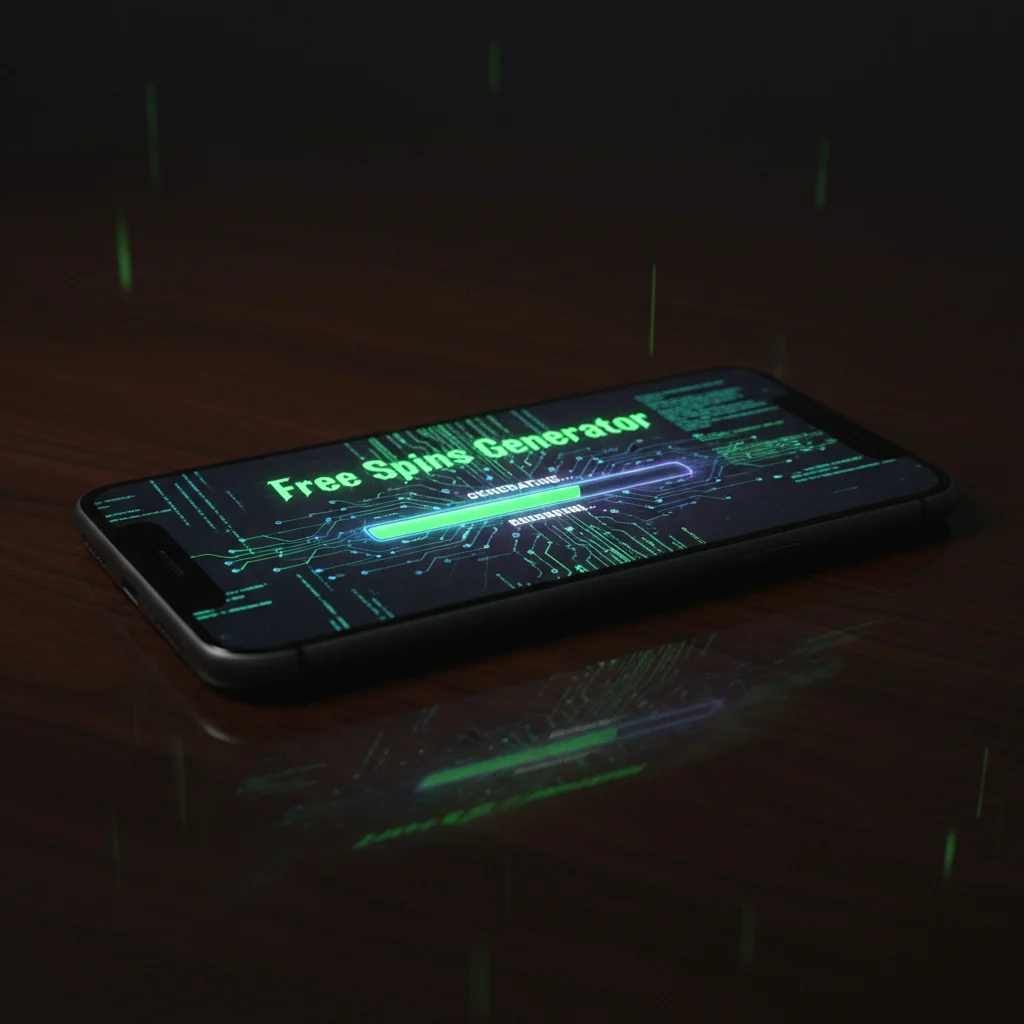
- The Verification Trick: The victim enters their username and selects how many spins they want. A flashy animation mimics a database connection. Then, a pop-up appears stating that human verification is required to complete the transfer.
The Dangerous Payload
This verification step is where the actual damage happens. Victims are redirected through a maze of malicious affiliate links. Some are prompted to download free apps that secretly contain adware or data-stealing Trojans. Others are pushed to sign up for premium SMS subscription services that quietly charge their phone bills every week. In the worst cases, the sites ask for sensitive personal information, including email addresses, phone numbers, and even credit card details under the guise of a small processing fee.
The use of generative AI has made these scams incredibly cheap to scale and very hard for the average player to spot. By cloning the voices of trusted gaming figures, scammers bypass the natural skepticism people have when they see too-good-to-be-true offers online. Kids and teenagers, who make up a massive portion of the mobile gaming community, are particularly vulnerable to these tactics.
Staying Safe on the Reels
Moon Active, the developer behind Coin Master, has repeatedly warned players that there are no legitimate third-party spin generators. The game’s servers are highly secure, and in-game resources cannot be manipulated by external websites. The company only distributes legitimate free spin links through its verified social media accounts, primarily their official Facebook page.
If you want to keep your device and your personal data safe, experts recommend keeping a few simple rules in mind:
- Never download third-party software or configuration profiles to get in-game rewards.
- Be skeptical of any video showing a creator promoting an external website that is not linked directly from the official game.
- Look closely at the URL of any site asking for your gaming username or personal details. Scammers often use domain names that mimic official brands but contain subtle typos.
- Keep a reliable mobile security app installed to block malicious redirects before they can load in your browser.
As AI tools become more accessible, the quality of these cyber threats will only improve. The best defense remains a healthy dose of skepticism: if an offer online seems too good to be true, it almost certainly is.