Fortnite Players Sound Alarm Over New Creator-Made Skins
Epic Games is letting creators sell custom cosmetics in the Fortnite Item Shop, sparking heavy debate over quality control and economy stability.
A Shift in the Shop
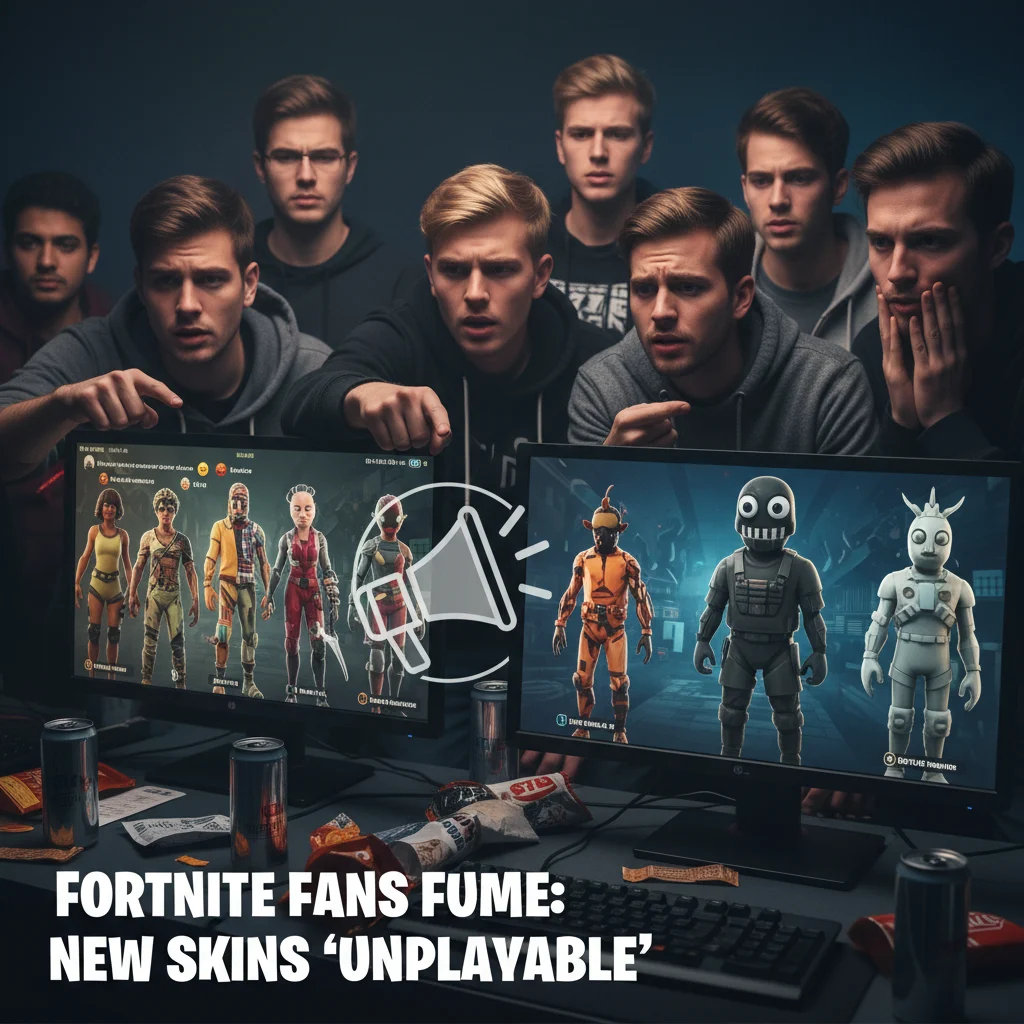
For seven years, the Fortnite Item Shop was a highly curated digital boutique. Epic Games decided what went in, what came out, and how much it cost. That era is officially ending. Epic’s decision to allow independent creators to publish and sell their own custom cosmetics has sent shockwaves through the massive player base.
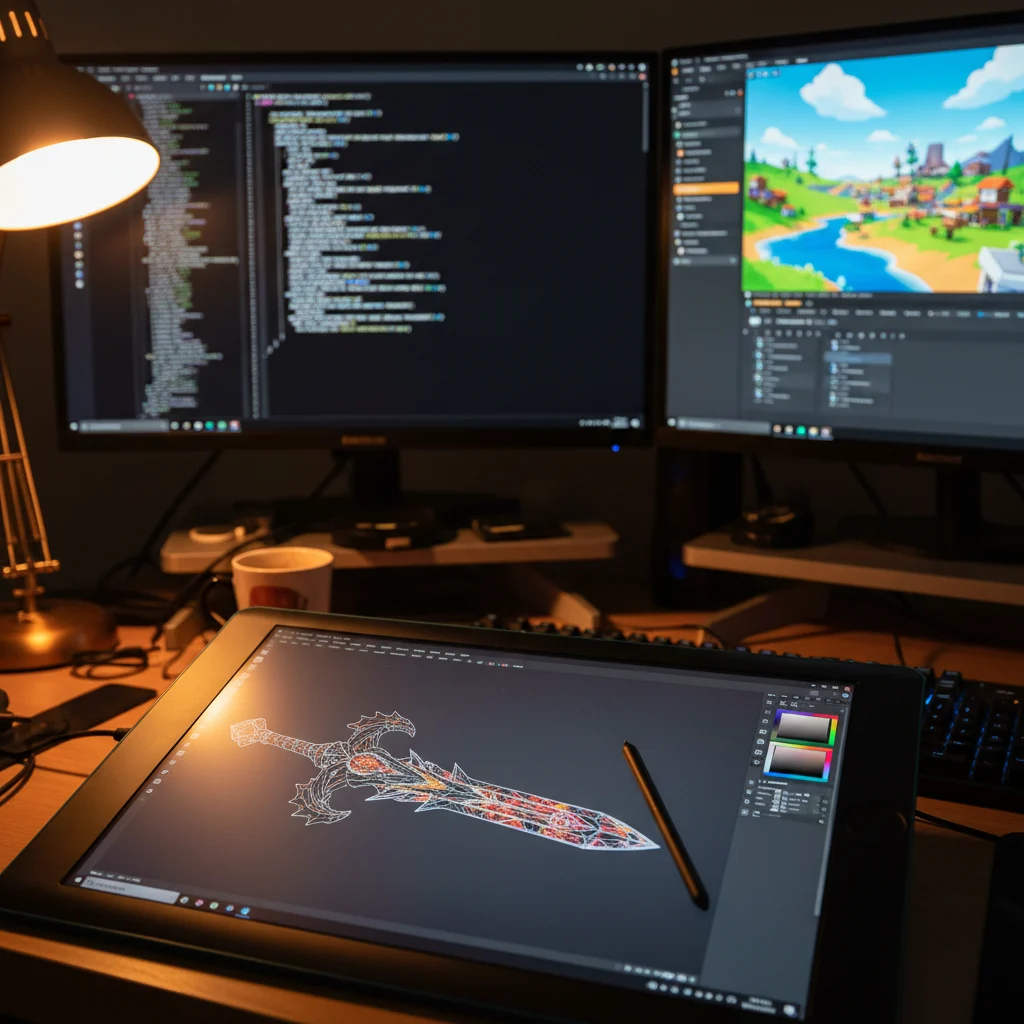
The move represents a fundamental shift in how the game operates. Under the new system, developers using Unreal Editor for Fortnite (UEFN) will soon be able to design, submit, and sell everything from pickaxes to custom character outfits. It is a bold play to turn Fortnite into an all-in-one metaverse. But for many longtime players, it feels like a step too far.
The “Roblox-ification” of Fortnite
Social media platforms immediately lit up with complaints after the announcement. Many players fear the floodgates are opening to cheap, low-effort designs that will ruin the game’s visual style. Critics point to Roblox as a cautionary tale. That platform is infamous for its cluttered, chaotic marketplace full of low-quality assets.
“I don’t want Fortnite looking like a broken mess,” wrote one player on Reddit. “Right now, even the weirdest skins still look like they belong in the same universe. If you let anyone sell whatever they want, that consistency is gone.”
Epic Games insists it will maintain strict quality control. The company promised a rigorous review process to ensure all user-submitted items meet technical and aesthetic standards. However, players remain skeptical. Moderating millions of potential submissions is a monumental task, and mistakes are inevitable.
Economic Anxiety and V-Buck Inflation
Beyond the visual clash, the game’s economy is a major point of worry. Fortnite’s economy relies on V-Bucks, a virtual currency with a highly controlled value. Epic manages this ecosystem tightly. Introducing a secondary market of creator-priced items could throw this delicate balance into chaos.
If creators start listing high-quality skins for a fraction of Epic’s standard prices, it could trigger a race to the bottom. Why buy an official $20 legendary skin when you can buy a highly detailed custom skin for $2? Conversely, if creators inflate prices, it could price out younger players. The potential for market saturation is high. A flooded market could make existing rare skins feel far less valuable to collectors who have spent years building their digital lockers.
The Shadow of Copyright Infringement
Then there is the legal elephant in the room. Epic Games has built its empire on massive, licensed collaborations. Players can run around as Spider-Man, Goku, or Darth Vader. Opening the floodgates to user-generated content invites a legal headache.
While Epic’s filters will undoubtedly scan for copyrighted terms, creators always find ways around automated systems. Bootleg versions of famous characters are almost guaranteed to slip through. This puts Epic in a risky position with its high-profile partners. “The legal risk is enormous,” says digital economy analyst Sarah Brennan. “Epic will need an incredibly robust moderation team to avoid getting sued by the very brands they partner with.”
What Lies Ahead
Despite the vocal backlash, Epic Games is pressing forward. The company views this as a vital step to empower creators and keep them on the platform. Currently, Epic pays out 40% of its net revenue to island creators based on player engagement. Adding direct cosmetic sales gives developers another way to earn a living.
But the community’s trust is fragile. Fortnite’s charm has always lived in its polished, cohesive world. If that identity gets diluted for the sake of monetization, Epic might find that the cost of this new economy is far higher than they anticipated.