How Fortnite Tracker’s New Rating Metric is Reshaping Esports
Fortnite Tracker’s new Chapter 7 real-time Performance Rating is changing how esports scouts spot raw talent, leaving old metrics in the dust.
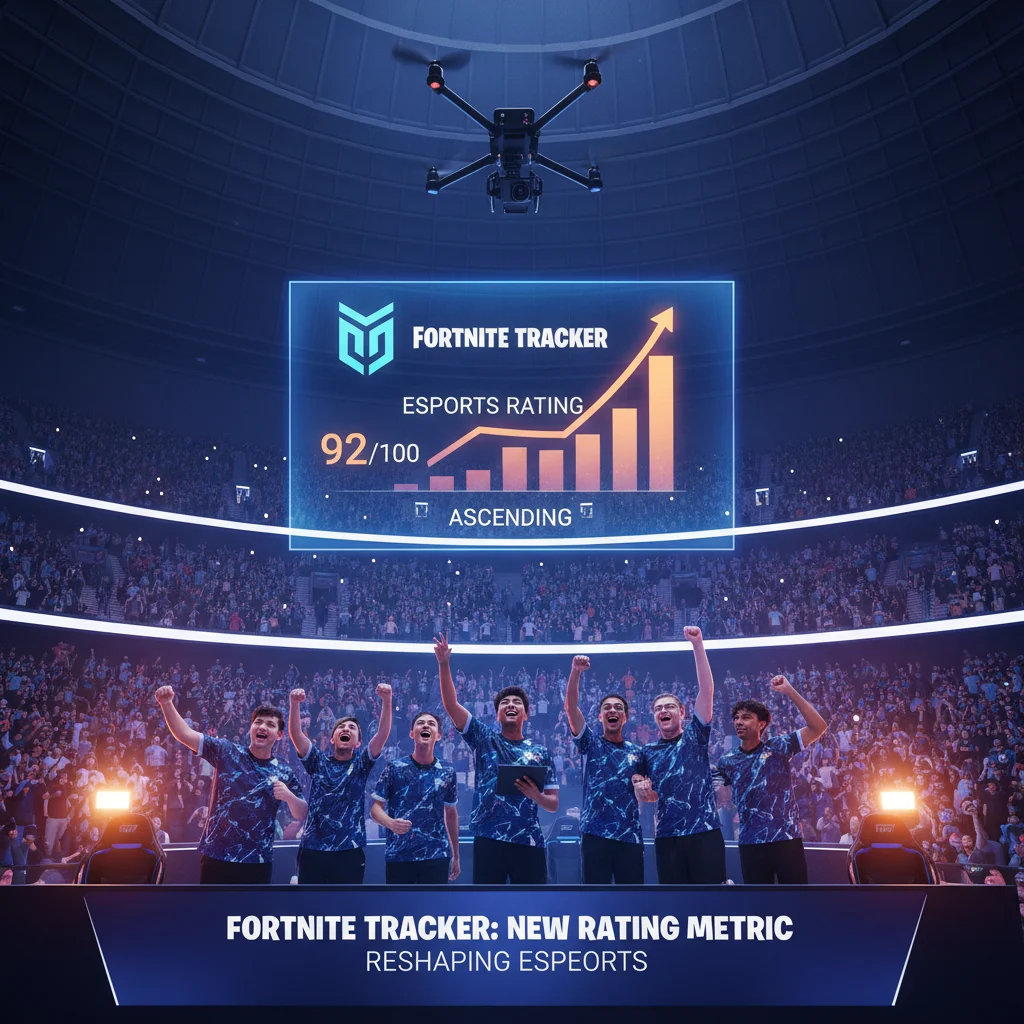
Competitive Fortnite has always had a data problem. For years, players, coaches, and scouts relied on traditional Power Rankings—simply called PR—to figure out who was actually elite. But that system had massive loopholes. Clever players could easily farm points by grinding minor tournaments in weaker regions, or simply hiding in bushes to inflate their average placements. It was a system that rewarded grinding over raw skill.
Then came Chapter 7. Along with a new map and fresh mechanics, the team at Tracker Network quietly rolled out a tool that is currently turning the professional scouting scene upside down: the real-time Performance Rating.
The End of Leaderboard Padding
This new metric does not just look at where a player finishes or how many eliminations they get. Instead, it runs live match data through an algorithm that measures the actual difficulty of a lobby. It calculates the skill level of every opponent killed, the pace of the match, and how a player performs under extreme pressure during late-game moving zones.
“The old PR system was a blunt instrument,” says Damian Folland, a data analyst who works closely with tournament organizers. “If you played sixteen hours a day in low-tier cash cups, you looked like a god on paper. This new Performance Rating changes that. It grades you on the quality of your play, not just the quantity of your time. If you kill a lobby full of pro players, your rating skyrockets. If you stomp on amateurs, the algorithm barely registers it.”
For unsigned players, this is a massive shift. Suddenly, a teenager playing on a mediocre setup in their bedroom can catch the eye of major esports organizations just by having a highly efficient performance rating over a weekend of high-tier lobbies. They no longer need to spend months building up a legacy PR score.
How Scouts are Using the Live Data
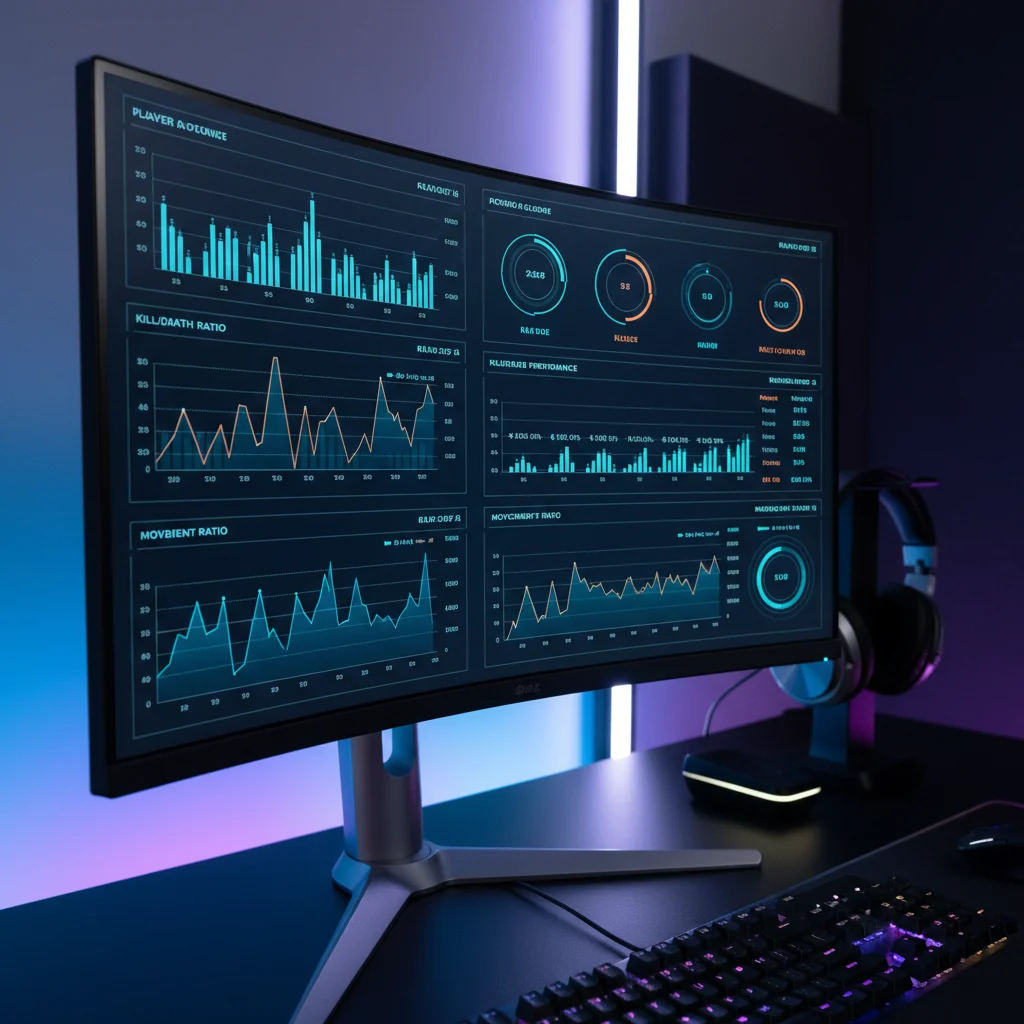
The real disruption is happening in the war rooms of professional esports organizations. Scouts who used to spend dozens of hours reviewing video feeds of prospective players are now using Fortnite Tracker’s live dashboard to filter out the noise. They can watch the rating fluctuate in real time during major tournaments.
Marcus Vance, a veteran talent scout for a European esports organization, admits the tool has changed his daily workflow. “I used to have three monitors running different Twitch streams, trying to spot who was making the smart rotators in late games,” Vance says. “Now, I keep the Performance Rating feed open. If an unsigned solo player suddenly spikes to a 9.2 rating during a stacked lobby, I immediately open their gameplay. It cuts out hours of guesswork.”
The system also exposes players who might have inflated reputations. Some established pros with hundreds of thousands of social media followers have seen their live Performance Ratings dip during Chapter 7. Without the ability to rely on their old reputation, they are being forced to adapt to a meta that values consistency and high-value eliminations over flashy, high-risk plays.
The Panic in the Pro Scene
- Some veteran players are calling the metric too harsh on defensive playstyles.
- Aspiring pros are using their live ratings in their social media bios as a new form of digital resume.
- Coaches are using the real-time drops in ratings to pinpoint exactly when a player starts to panic during a match.
Not everyone is thrilled with the transparency. A few prominent professional players have voiced concerns on social media, arguing that a single bad tournament run can tank their rating and hurt their market value. Because the rating updates in real time, a bad night is visible to every scout in the world instantly.
But the community’s general consensus is clear. The era of hiding behind outdated stats is over. As Chapter 7 progress, the gap between players who look good on stream and those who actually perform under pressure is widening. For scouts looking for the next breakout star, the search just got a lot more precise.