How Disney’s Fortnite Universe Changes the Gaming Economy
Epic Games and Disney have launched their massive persistent world in Fortnite. Here is how it impacts player retention and gaming economics.
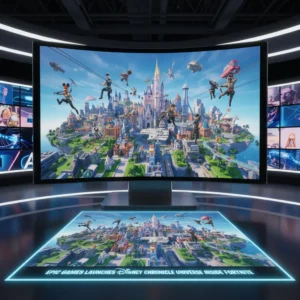
Fortnite is no longer just a battle royale game. It has not been for a very long time. With the official launch of Disney’s persistent social entertainment universe inside the platform, Epic Games is making its biggest play yet. This is not a temporary crossover event or a simple skin drop. It is a permanent digital ecosystem. It connects Disney’s massive catalog of brands directly to Fortnite’s hundreds of millions of active players.
The move represents a major shift in how media companies think about distribution. Instead of trying to build their own standalone virtual worlds, entertainment giants are moving where the audience already hangs out. For Epic Games, this is a massive victory in the race to build the ultimate digital hub.
Keeping Players Hooked for Years
Every online game faces the same brutal enemy: player churn. Users download a game, play it intensely for a few weeks, get bored, and move on. Epic has fought this cycle for years by constantly updating Fortnite with new seasons, weapons, and map changes. But that requires constant, exhausting work from developers.
A persistent Disney world changes the math completely. This new space is designed to be a self-sustaining social hub. Players do not just visit to shoot at each other. They come to hang out, customize their personal spaces, watch movies, and interact with Disney, Marvel, Pixar, and Star Wars properties. It is a social network disguised as a video game.
By offering a permanent home for these fandoms, Epic creates a powerful retention loop. If you are a Star Wars fan, you no longer have to wait for a special May the 4th event. The community, the digital items, and the experiences are always there, waiting for you. This keeps players logged into the Epic ecosystem, making them far less likely to drift away to competitors like Roblox or Minecraft.
The Economics of a Virtual Storefront
The financial scale of this partnership is massive. Disney previously bought a $1.5 billion equity stake in Epic Games, showing that this is a deep, long-term business alliance. The economic goals are clear: drive microtransactions, boost brand loyalty, and create new revenue streams that bridge the virtual and physical worlds.
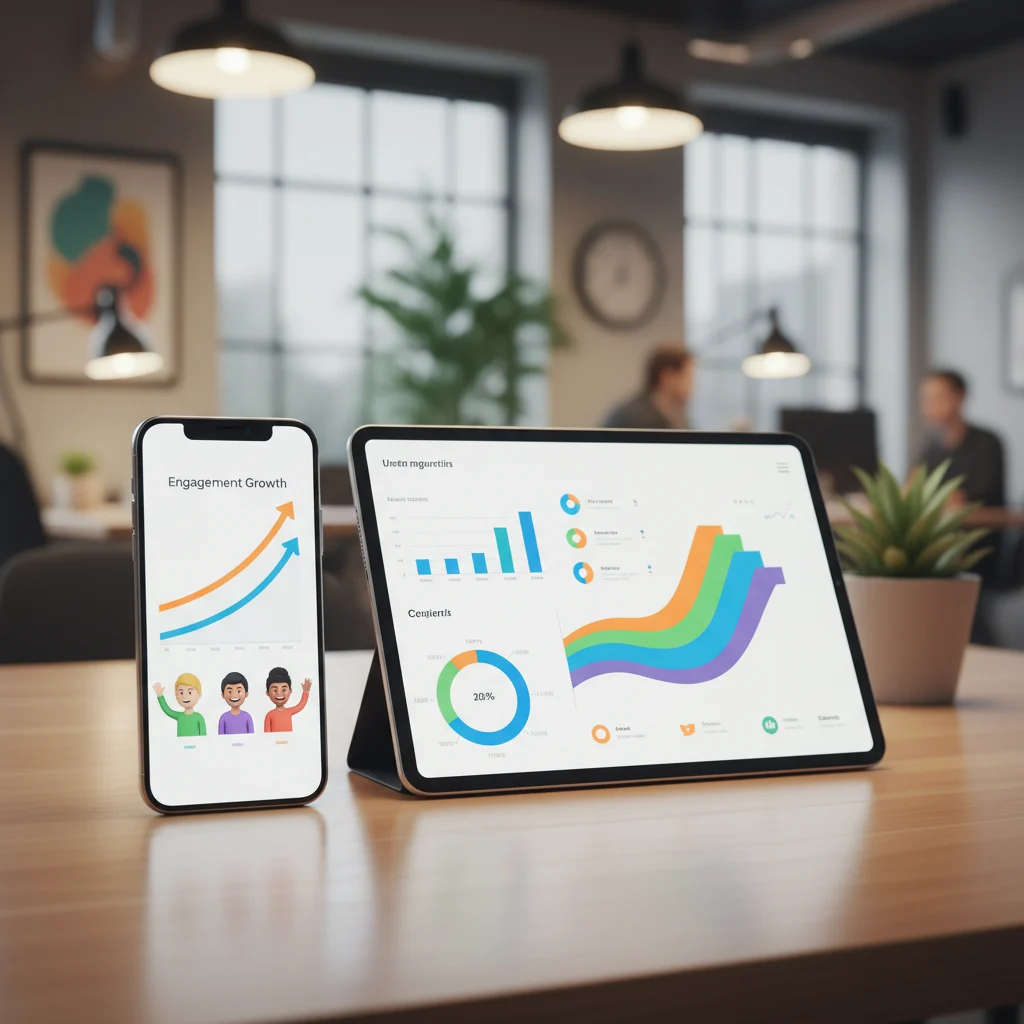
In-game purchases have always been Fortnite’s lifeblood. But this new universe takes monetization to a new level. We are looking at a future where players can buy digital items that have real-world utility, and vice versa. Some of the key economic drivers include:
- Direct digital cosmetic sales, including avatar outfits, virtual home decor, and custom animations.
- Cross-promotional physical merchandise tie-ins, where buying a real-world toy unlocks a digital version.
- Virtual ticket sales for exclusive digital screenings, concerts, and live entertainment events.
- A massive new advertising platform for upcoming Disney theatrical releases and Disney+ streaming shows.
This setup turns Fortnite into a massive, interactive storefront. It is a direct channel to a highly engaged younger demographic that traditional television and print media can no longer reach effectively.
A Direct Threat to Traditional Platforms
For years, Roblox was the undisputed king of user-generated content and brand activations. Brands flocked to Roblox because of its young user base. But Fortnite offers something Roblox cannot: high-fidelity visuals and a more mature, spending-capable demographic.
With Unreal Engine tools now available to creators inside Fortnite, Epic is matching Roblox’s flexibility while offering vastly superior graphics. The addition of Disney’s intellectual property gives Epic an unmatched competitive advantage. Roblox has user-created games, but Epic has Darth Vader, Iron Man, and Elsa. That is a tough lineup to beat.
What Happens Next?
The immediate challenge for Epic is keeping this new world feeling alive. If the Disney space feels like a static virtual museum, players will quickly lose interest. The content must evolve dynamically. It needs to react to real-world cultural moments, movie releases, and player feedback.
If Epic and Disney can pull this off, they will have created a new template for the media industry. It is a world where games, movies, shopping, and socializing all happen in the same place. For the gaming economy, things will never be the same.