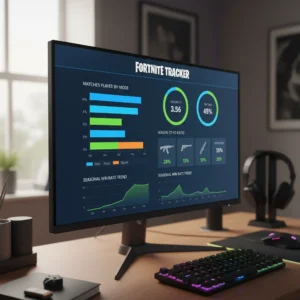
Epic Games Shifts API Rules, Forcing Fortnite Tracker Overhaul
Epic Games restricts public matchmaking data, forcing Fortnite Tracker to rapidly rebuild its leaderboard system right before the Chapter 7 launch.

A Sudden Shift in the Data Stream
For years, Fortnite players had a simple ritual. After a long night of battle royale, they would head over to Fortnite Tracker. There, they could see their kill-death ratios, check their win streaks, and see where they ranked globally. It was seamless.
That changed overnight.
Epic Games quietly updated its matchmaking API policies, shutting down the public data pipelines that third-party tracking sites have relied on for nearly a decade. The sudden move has thrown Tracker Network, the company behind Fortnite Tracker, into a race against time. They have to completely rebuild how their platform gathers player data, and the clock is ticking. Fortnite Chapter 7 is just around the corner.
Why Epic Games Pulled the Plug
Epic’s decision revolves around privacy and security. Historically, public matchmaking data was relatively easy to query. Anyone with the right tools could look up stats for almost any account, provided the player hadn’t explicitly toggled their in-game privacy settings.
Now, the default has flipped.
Epic is locking down access to these public endpoints. Under the new rules, third-party sites can no longer scrape massive pools of matchmaking data without direct user permission. Epic has not released a detailed public statement explaining the sudden enforcement, but industry trends offer some clues. Game developers are increasingly protecting user data from external scrapers, both to safeguard player privacy and to reduce the strain on their own servers.
For competitive players, however, the timing is brutal.
The Race to Rebuild Fortnite Tracker
Tracker Network had to react fast. The site has been the gold standard for Fortnite statistics since the game launched in 2017. Suddenly, their global leaderboards went dark or became wildly inaccurate.
The developers are actively working on a solution, noting that Epic’s changes mean they can no longer automatically fetch stats for every player in the game. They are adapting, but the system is going to look different.
To keep the site alive, developers are moving to an opt-in model.
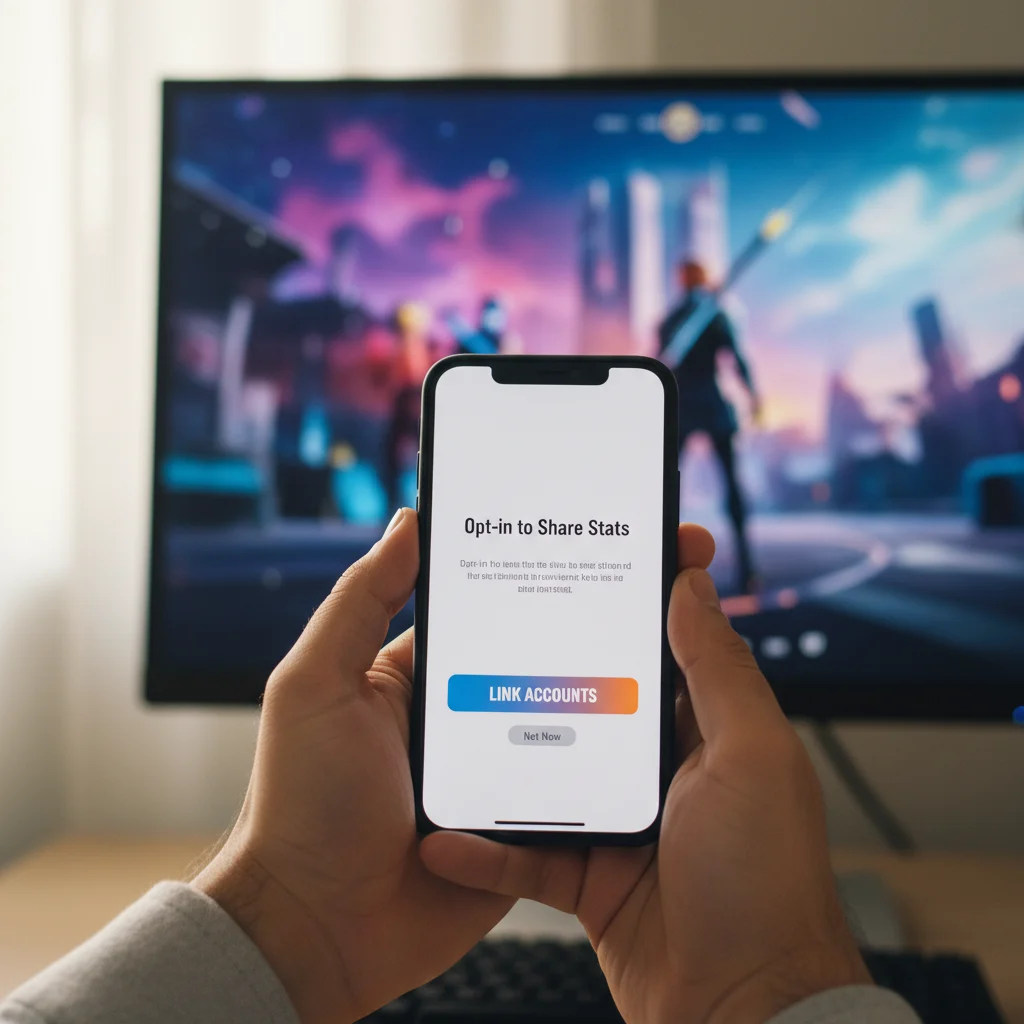
Instead of pulling data automatically, Fortnite Tracker now requires players to manually authorize access. Users must log in through their Epic Games accounts or manually set their in-game privacy settings to allow public sharing.
This creates a massive hurdle.
- Active players must manually opt-in to appear on regional leaderboards.
- Historical data for inactive accounts may be lost or frozen in time.
- Global rankings will represent only a fraction of the actual player base, at least initially.
It is a massive blow to the casual competitive scene. Players loved comparing themselves to the wider world. Now, they can only compare themselves to the self-selected group that took the time to link their accounts.
Bad Timing Ahead of Chapter 7
The timing of Epic’s API shift could not be worse for the tracking community. Fortnite is currently gearing up for the launch of Chapter 7. New chapters always bring a massive influx of returning players, fresh mechanics, and a highly competitive rush to climb the ranks.
Usually, Chapter launches drive record traffic to Fortnite Tracker. Millions of players spam the site to see how they stack up on the new map.
This time, many of those players will search for their names only to find blank pages.
Tracker Network is working overtime to streamline the account-linking process before the new chapter drops. They are trying to make the opt-in process as frictionless as possible. If they can’t get players to link their accounts quickly, the site’s utility could drop significantly during one of the busiest times of the year.
What This Means for the Community
Some players welcome the change. They argue that stats tracking fostered toxicity, with teammates gatekeeping groups based on K/D ratios. Without public stats, players can just enjoy the game without judgment.
But for the hardcore community, tracking is the game.
For content creators, competitive pros, and aspiring esports athletes, these stats are their resumes. Without verified public leaderboards, proving one’s skill becomes much harder. Tournaments that relied on tracker data to verify participants will have to find new ways to audit players.
Epic’s quiet policy shift marks the end of an era for open gaming data. As Fortnite transitions into Chapter 7, the community will have to adjust to a more private, locked-down island. Whether players will take the extra step to opt-in remains to be seen.