Fortnite Players Slam Epic Games Over Cost of New Music Skins
Epic Games faces massive player backlash over the high V-Bucks cost of Fortnite’s new reactive Holographic Symphony skins.
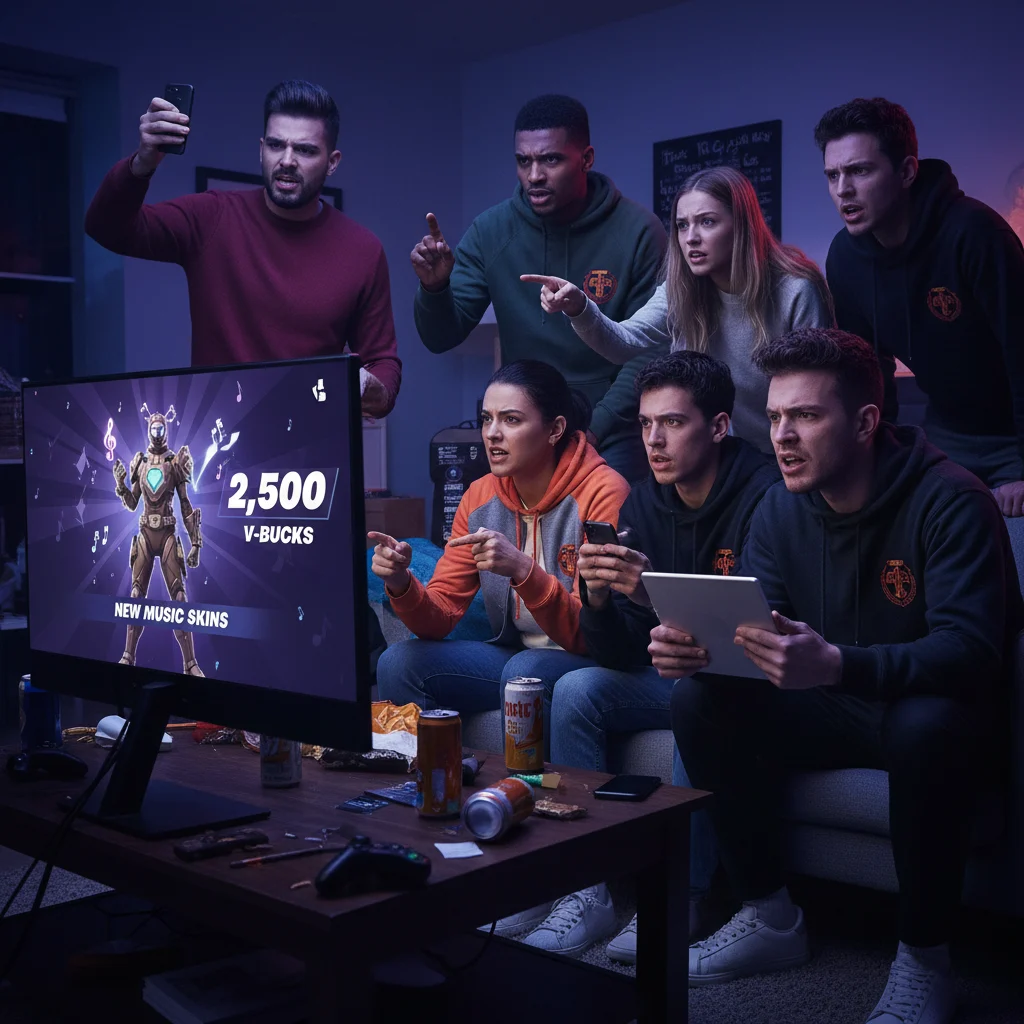
Fortnite players are used to spending money on virtual threads. But Epic Games might have pushed the community too far this time. The developer recently rolled out its highly anticipated Holographic Symphony skin line. These outfits do something genuinely cool: they react in real-time to whatever music the player is streaming. It sounds like a dream for casual players and streamers alike. The reality, however, is a storm of community outrage over what many are calling blatant corporate greed.
A Premium Price Tag for Digital Threads
The problem isn’t the technology. It’s the price tag.
To get your hands on a single Holographic Symphony skin, you have to cough up 3,800 V-Bucks. If you want the complete bundle—which includes matching back bling, a pickaxe, and a glider—the price climbs to a staggering 5,500 V-Bucks. In real-world cash, that translates to roughly $44. That is almost the price of a full, standalone indie game, all for a cosmetic pack in a free-to-play battle royale.
“I love the concept, but forty-plus dollars for a skin bundle is highway robbery,” wrote one disgruntled user on the r/FortniteBR subreddit. The sentiment quickly went viral, racking up thousands of upvotes. Other players pointed out that Fortnite’s pricing has been steadily creeping upward. Epic Games previously faced similar heat for high-priced car bodies and instrument skins in its newer Lego and Fortnite Festival modes. This latest release feels like a tipping point for many veteran players.

Glitches and Paywalls
What makes the high price particularly frustrating is the integration itself. The skins require players to link their Spotify or Apple Music accounts to their Epic Games profile. When it works, the visual effects are spectacular, pulsing in perfect synchronization with the bass and rhythm of the track. But early adopters are already reporting glitches. Some say the stream sync lags during intense firefights. Others complain that the feature only works with premium music subscriptions, adding an extra layer of hidden cost.
“You’re paying a premium for a feature that is essentially a beta test,” says gaming analyst Sarah Jenkins. “Epic is testing the waters to see how much players are willing to pay for active utility cosmetics rather than passive ones. If people buy this, it sets a new baseline for what a premium skin costs.”
Will Epic Games Back Down?
Epic Games has not yet responded to requests for comment regarding the pricing structure. Historically, the publisher rarely slashes prices once an item hits the shop, though they have occasionally offered V-Bucks rebates or bundled items differently in the face of massive, sustained protests. For now, the Holographic Symphony set remains in the item shop, serving as a glittering, expensive reminder of the widening gap between Fortnite’s casual fan base and its monetization strategy.
For average players, the decision comes down to a simple choice. Do they skip the shiny new tech, or do they give in to the fear of missing out? The community seems determined to hold the line, with many calling for a coordinated boycott of the virtual storefront. Whether that collective anger will actually translate into lower prices remains to be seen. But one thing is clear: the harmony Epic hoped to strike with its music skins has turned incredibly discordant.