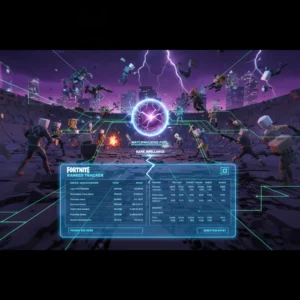
Fortnite Tracker Launches AI Tools for Matchmaking Analysis
Fortnite Tracker rolls out AI tools to analyze lobby difficulty and predict match outcomes following Epic Games’ Chapter 7 API update.
Fortnite Chapter 7 brought massive map changes, new weapons, and fresh mechanics. But behind the scenes, Epic Games also quietly rolled out a major overhaul to its backend API. Tracker Network, the team behind the popular Fortnite Tracker website, wasted no time capitalizing on these changes. Today, they launched a suite of AI-driven matchmaking analysis tools designed to give players an unprecedented look into who they are actually fighting.
The new feature uses machine learning models to analyze matchmaking data in real-time. For years, players have complained about “sweaty” lobbies without having concrete proof of how matchmaking works. Now, they do. The tool assigns a concrete “Lobby Difficulty Score” ranging from Bronze to Unreal, mirroring Fortnite’s own ranked tiers.
How the Chapter 7 API Made This Possible
The upgrade became possible after Epic Games altered how game telemetry is distributed to authorized third parties. While some details remain heavily encrypted to protect player privacy, the new API exposes broader historical performance metrics for active players in a given session. This allows Fortnite Tracker’s algorithms to aggregate lobby statistics instantly.
Before this patch, tracking sites could only pull basic lifetime stats. If a player hid their profile, they became a ghost. The new AI system works around this by analyzing aggregated lobby trends. It estimates the overall skill ceiling of a match based on the public profiles it can scan, filling in the blanks with historical queue data.
Key Features of the New AI Suite
The math is complicated, but the layout is clean. The new interface provides players with three key metrics right as they load into a match:
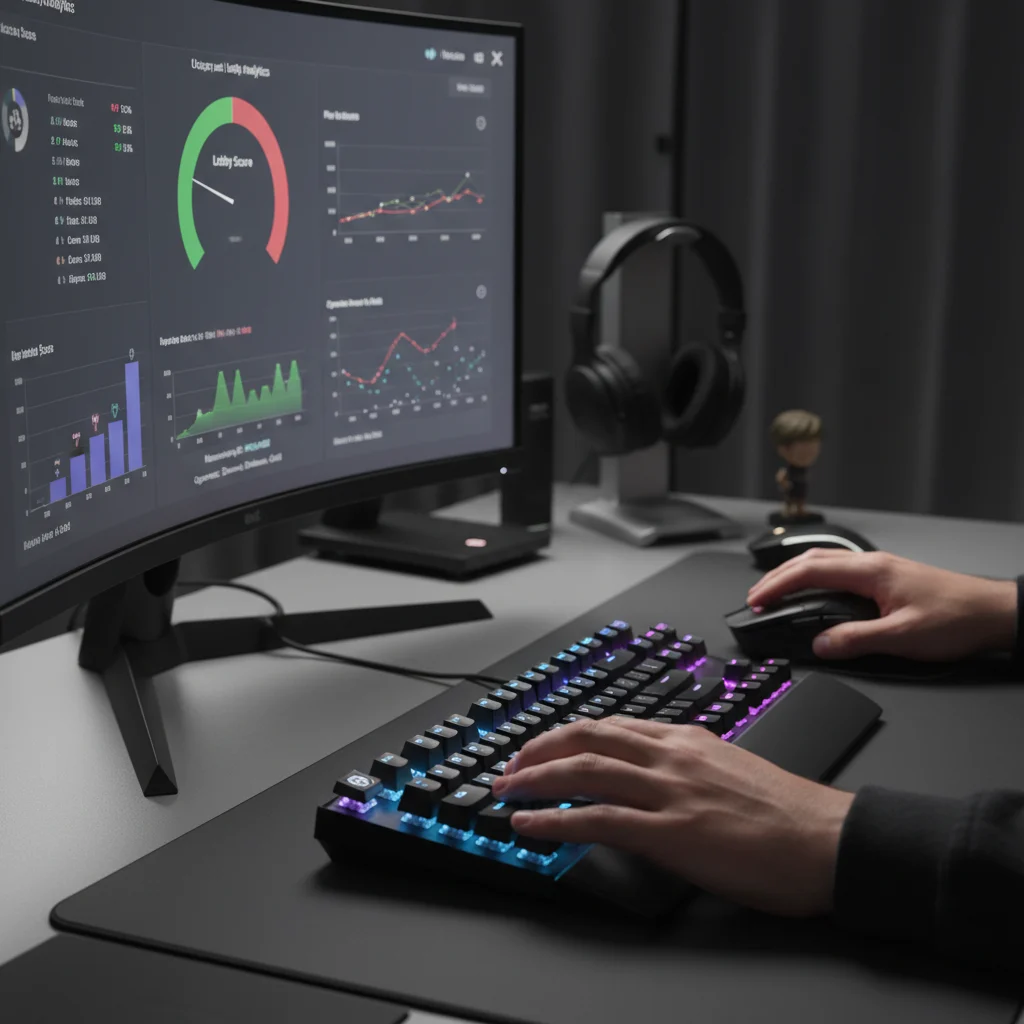
- Lobby Difficulty Tier: An instant rating of the average skill level of the entire game, categorized from Bronze to Unreal.
- Win Probability Meter: A real-time calculation that looks at your squad’s recent performance and compares it directly against the top five teams in your current lobby.
- Opponent Playstyle Breakdown: By analyzing historical weapon usage and landing spot preferences of the lobby, the AI flags whether you are dealing with aggressive players or passive survivalists.
The tool trains on millions of match records every day, constantly adjusting its predictive models as Epic tweaks its matchmaking algorithms behind the scenes.
Community Reaction and Privacy Concerns
The tool’s release has already sparked intense debate among the Fortnite community. Streamers and competitive players are thrilled. Having real-time feedback on lobby difficulty allows content creators to tailor their playstyles or verify if they are being targeted by stream snipers.
But not everyone is happy. Some players worry that this level of detail could ruin the organic magic of the battle royale. If you know your lobby is impossibly difficult before you even jump from the Battle Bus, you might just leave the match early and requeue.
“We wanted to take the guesswork out of matchmaking,” says Marcus Peterson, a senior developer at Tracker Network. “Epic’s matchmaking has always been a black box. With the Chapter 7 API updates, we finally have the right telemetry to build predictive models that actually make sense to the average player. People deserve to know if their games are fair. When you get wiped in seconds, it helps to see that you were put against players way out of your league. It takes the sting out of losing.”
What Lies Ahead
Epic Games has not yet commented publicly on the new tools. Historically, the developer has tolerated tracker sites as long as they do not violate user privacy or offer unfair in-game advantages. Because Fortnite Tracker’s tool runs on a second screen or browser overlay, it does not modify game files, keeping it well within Epic’s terms of service.
As Chapter 7 moves forward, Tracker Network plans to refine its machine learning models. Future updates will likely include landing zone optimization, suggesting cold or hot drops based on the real-time skill distribution of players heading down.