Fortnite Tracker Launches Live Rank Tracking for UEFN Maps
Fortnite Tracker has launched real-time stat tracking for UEFN custom maps, fueling a massive new wave of indie esports during Chapter 7.
Fortnite’s competitive ecosystem just experienced a quiet revolution. Tracker Network, the team behind the widely popular Fortnite Tracker database, has officially rolled out real-time analytics and rank tracking for Unreal Editor for Fortnite (UEFN) custom maps. This is a massive shift. For years, competitive tracking was largely gatekept by Epic Games’ official Battle Royale and Ranked modes. Now, any indie developer with a UEFN map can offer their player base the same hardcore leaderboard experience that keeps millions hooked on the main game.
How the New Live Tracking Works
The update introduces an automated tracking system that syncs directly with custom map lobbies. Players can look up their performance statistics simply by searching their Epic Games username on Fortnite Tracker, just as they would for standard battle royale matches. The system updates instantly, bringing a new layer of legitimacy to creative mode.
But the real power lies in the creator tools. Map makers can now embed live leaderboards directly into their matchmaking screens. The platform tracks key performance metrics including kill-death ratios, average survival times, headshot percentages, and custom-defined map objectives. If a creator designs a custom extraction shooter or a capture-the-flag game, the system can track those specific milestones in real time.
Fueling a New Wave of Indie Esports
This launch perfectly aligns with the kickoff of Fortnite Chapter 7, a season already defined by its focus on user-generated content. For a long time, UEFN creators struggled with player retention. Gamers would jump into a custom map, play for twenty minutes, and never return because there was no permanent sense of progression or achievement.
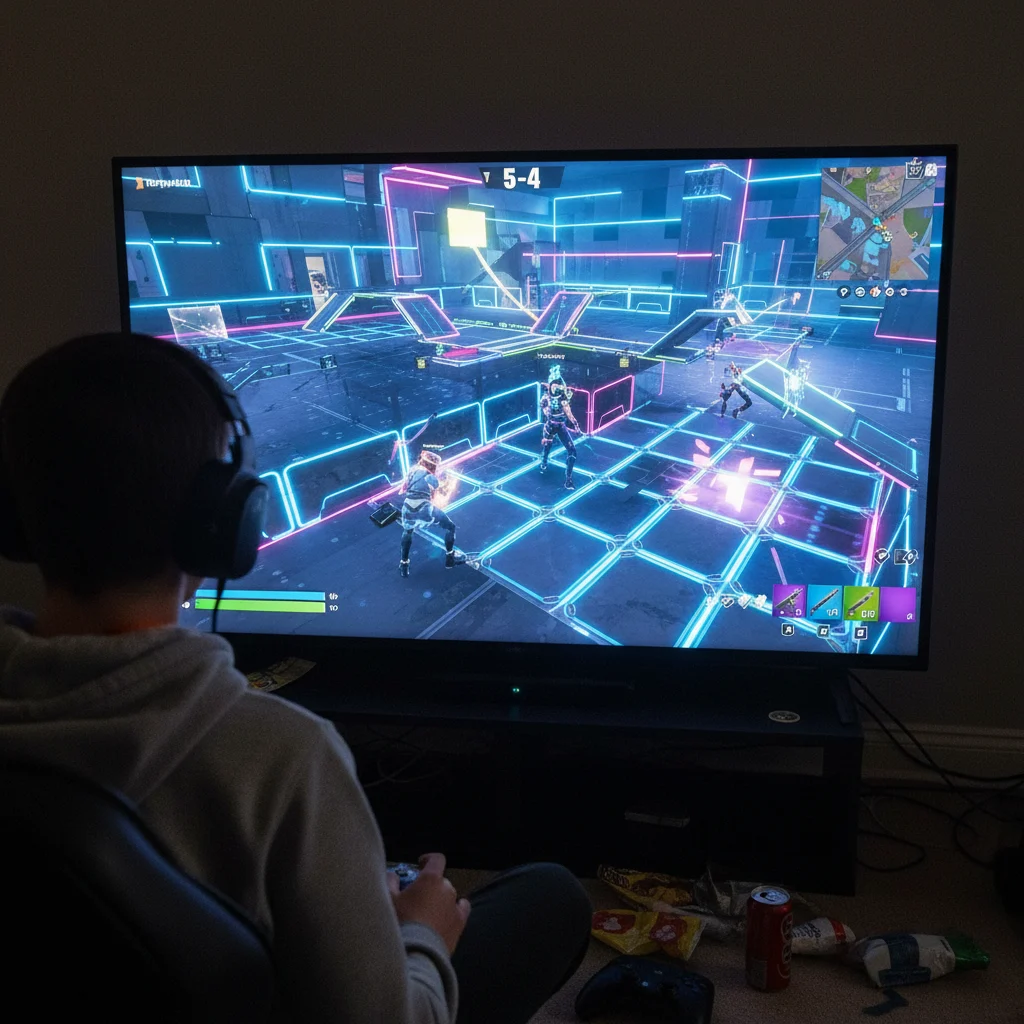
With persistent tracking, that problem vanishes overnight. Players finally have a reason to grind. “Before this, we were flying blind,” says Tyler Vance, an independent UEFN developer. “We could see how many people played our map, but we couldn’t tell who was dominating or help them show off their skills to the community. Now, our players have a real reason to stay and practice.”
Grassroots tournament organizers are already taking notice. Small-scale esports leagues are popping up around custom UEFN maps, using Fortnite Tracker’s verified data to distribute prizes and crown champions. This is democratizing competitive gaming. You no longer need Epic’s direct backing to run a tournament with credible, real-time stat verification. For example, the popular tactical shooter map Vortex Arena saw its active player count jump by nearly forty percent within forty-eight hours of integrating the new tracker API.
A Big Win for the Fortnite Platform
Epic Games has made no secret of its desire to turn Fortnite into a massive platform of platforms, akin to Roblox but with high-fidelity graphics. By outsourcing deep analytical tools to third-party partners like Tracker Network, the ecosystem is growing far faster than Epic could manage on its own.
This integration also opens up brand-new sponsorship opportunities for indie developers. Brands looking to sponsor custom maps can now demand hard, verified engagement metrics instead of relying on basic in-game play counters. It is a win-win for everyone involved. Players get a new reason to compete, creators get better retention tools, and Fortnite’s overall ecosystem becomes much more resilient to player fatigue. As Chapter 7 progresses, the line between official competitive Fortnite and the indie scene is going to get incredibly blurry.