Fortnite Chapter 7 Privacy Rules Break Tracker Power Rankings
Epic Games’ new Chapter 7 privacy updates block Fortnite Tracker from gathering stats, throwing 2026 Winter Invitational seeding into chaos.

A quiet update has triggered a massive crisis in the Fortnite competitive scene. With the launch of Chapter 7, Epic Games introduced sweeping privacy changes that have effectively blinded third-party data aggregators. Chief among the casualties is Fortnite Tracker, the community’s go-to platform for tracking player statistics. Now, with the highly anticipated 2026 Winter Invitational just around the corner, the competitive ecosystem is in a state of chaos.
The End of the Power Ranking Era?
For nearly a decade, Fortnite’s competitive scene relied on a single, unofficial metric to measure success: Power Rankings, or PR. Calculated by Fortnite Tracker, PR tracked every tournament placement, weighted them by difficulty, and assigned players a score. It was the ultimate bragging right. It was also how organizations scouted talent and how tournament organizers decided on tournament seeding.
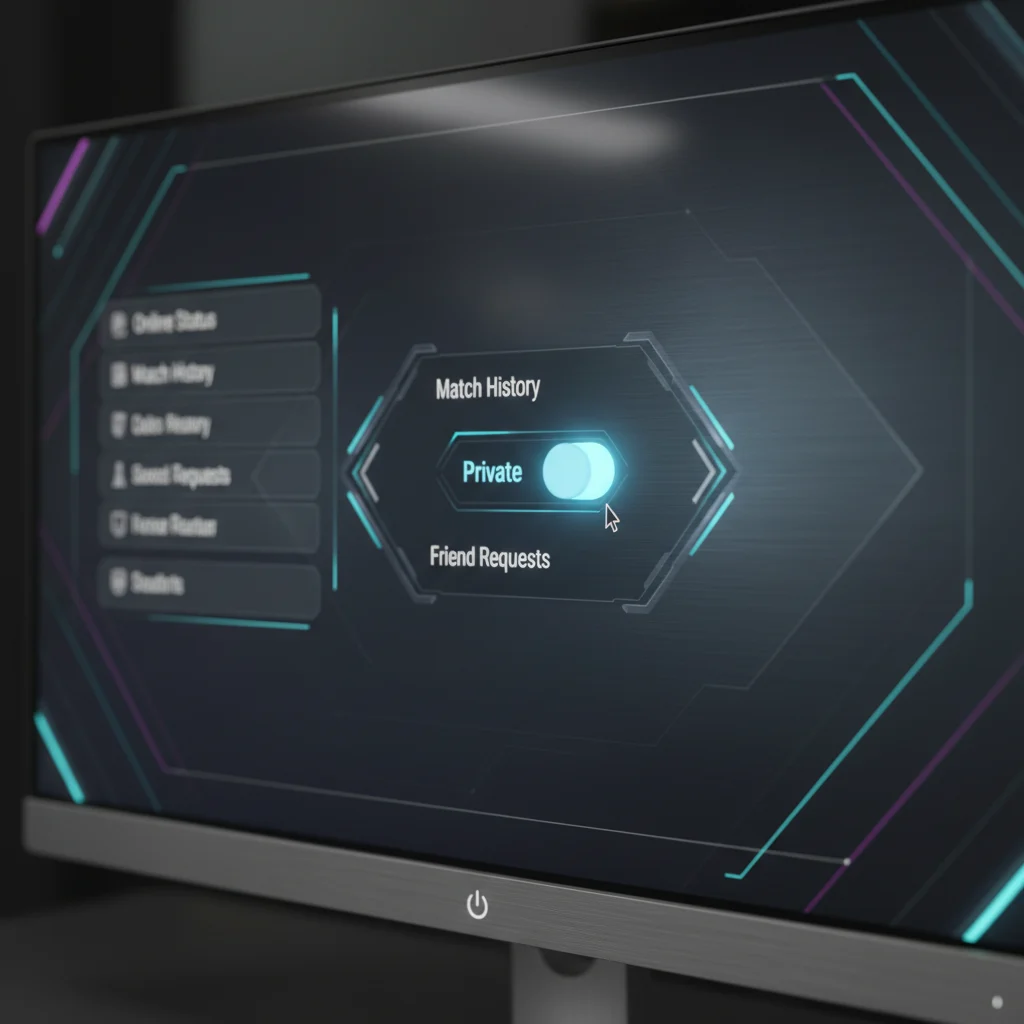
Not anymore. The Chapter 7 update changed how player data is shared. By default, Epic Games has set all match history and competitive statistics to private. Third-party APIs can no longer scrape this information without explicit, manual opt-in from every single player. For a system that relies on comprehensive lobby data to calculate fair rankings, this is a fatal blow.
“We simply can’t generate accurate leaderboards if half the lobby is invisible,” says Marcus Vance, a lead systems analyst at Tracker Network. “If a player finishes third but we can’t verify who they played against because of hidden profiles, the integrity of the entire ranking system collapses. It’s not just a minor bug. It’s a complete structural barrier.”
Why Epic Made the Move
Epic Games has not commented directly on the Fortnite Tracker situation, but the company’s broader intentions are clear. Over the past year, regulators worldwide have put immense pressure on gaming companies to protect young users. With Fortnite’s massive player base consisting heavily of minors, the developer had to act.
The new privacy guidelines aim to stop harassment, curb in-game toxicity, and prevent third-party sites from commercializing player data without consent. Under the new rules, players must dive deep into their account settings to explicitly toggle “Share Tournament Data” on. Most casual players won’t do this. Even many aspiring pros are unaware the setting exists, leading to massive gaps in the database.
While the intentions are noble, the timing could not be worse for the esports side of the game.
Seeding Chaos at the 2026 Winter Invitational
The immediate victim of this data blackout is the 2026 Winter Invitational. Set to take place in late January, the event boasts a $1.5 million prize pool and gathers the best players from around the globe. Traditionally, tournament organizers rely heavily on Fortnite Tracker’s PR to determine regional invites and group seeds.
Without reliable PR, organizers are flying blind. “We are looking at a scenario where top-tier pros could end up in the same early-round lobbies as complete underdogs,” says veteran esports caster and tournament coordinator Elena “Nyx” Rostova. “It ruins the competitive integrity. No one wants to see the tournament favorites eliminate each other in open qualifiers just because the brackets couldn’t be seeded properly.”
Some players are taking matters into their own hands, sharing screenshots of their career pages on social media to prove their status. But manual verification is a logistical nightmare for tournament staff. It is slow, prone to errors, and easily forged.
Looking for a Way Forward
What is the solution? Tracker Network is currently testing a verification portal. The tool asks competitive players to link their Epic accounts directly to Fortnite Tracker, bypassing the public API restrictions. However, adoption has been slow.
Some community leaders are calling on Epic Games to release an official, first-party leader system specifically for the competitive scene. Until that happens, the community is stuck in limbo. The golden era of easily accessible, public player stats is over, and the competitive scene must adapt quickly if it wants to survive the winter.