Fortnite Chapter 7 Holographic Skins Spark Pay-to-Win Outrage
Epic Games is under fire as Fortnite Chapter 7’s expensive new holographic skins face pay-to-win accusations from the competitive community.
The Cost of Visual Flair
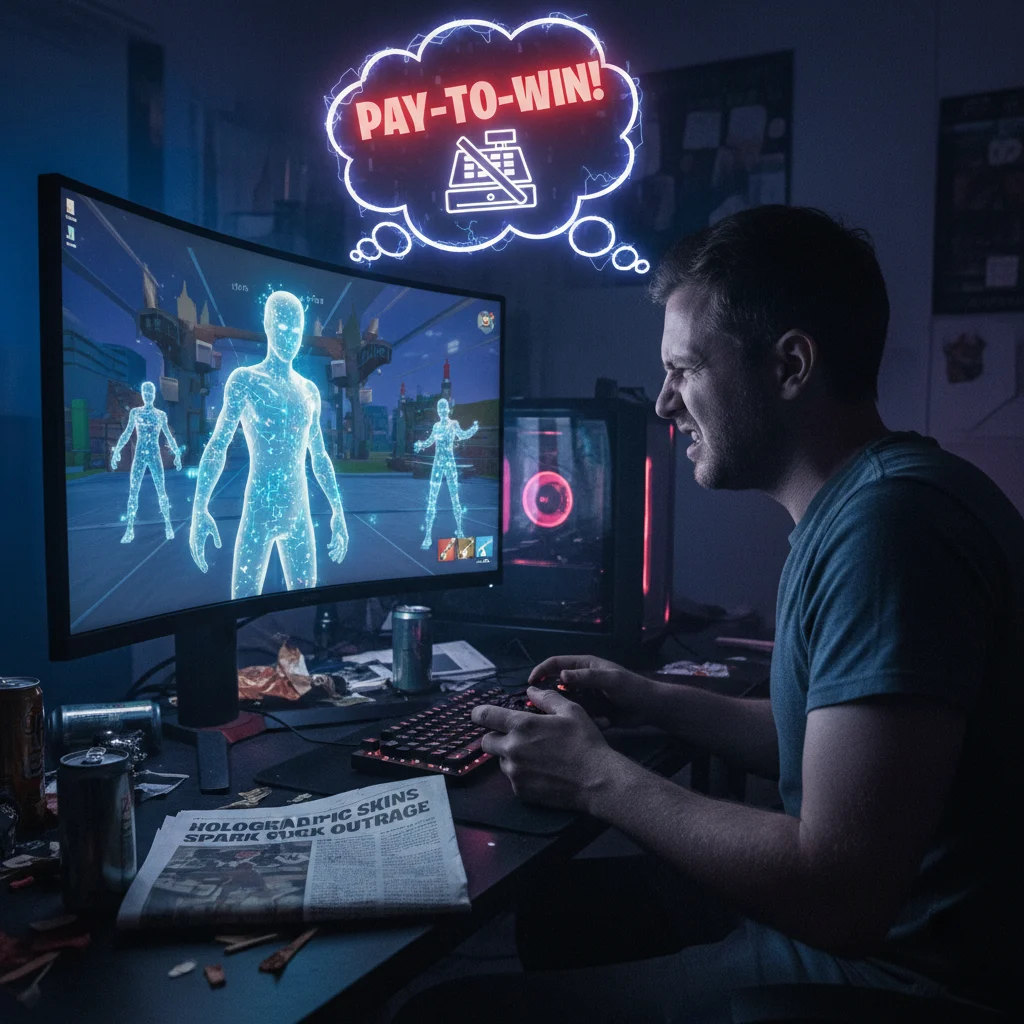
Fortnite Chapter 7 is barely underway, but a massive storm is already brewing off the virtual island. Epic Games recently debuted its highly anticipated “dynamic holographic” cosmetics. Instead of a warm welcome, however, the launch has triggered intense backlash from both casual fans and hardened pros. The issue boils down to two things: a steep price tag and serious concerns about competitive integrity.
At the center of the controversy are the new Holo-Series skins. Unlike traditional cosmetics, these outfits shift colors and transparency depending on the player’s movement and the in-game lighting. They look spectacular. But they also come with a premium price tag of 3,200 V-Bucks, which translates to roughly $26. For many players, this represents an unwelcome shift toward aggressive monetization.
An Unfair Edge on the Battlefield?
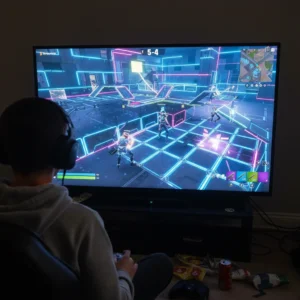
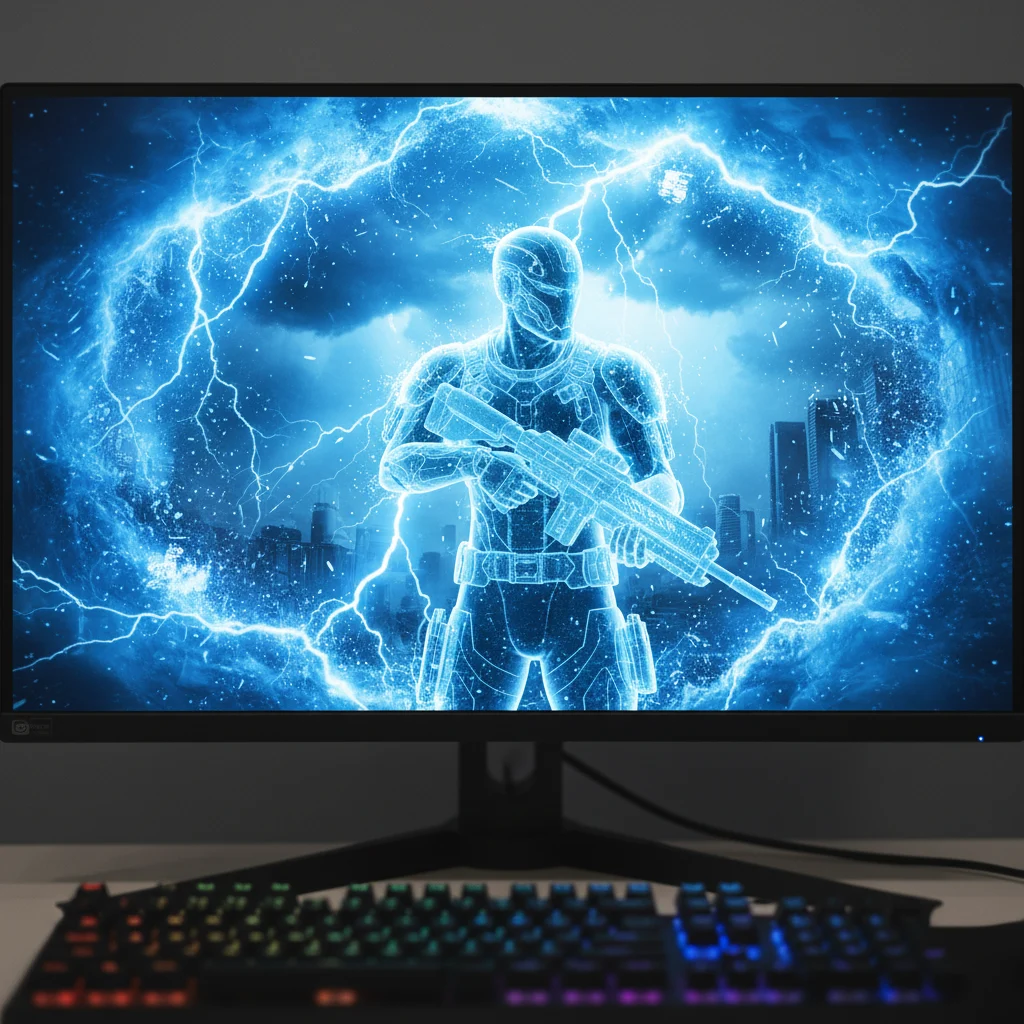
The real trouble started when competitive players took the skins into Ranked matches. It did not take long for clips to flood social media, showing how the holographic effect reacts to different environments. In dark areas, or when positioned against the blue tint of the Storm, the skins seem to shimmer and blend into the background. Some players argue this makes tracking opponents during fast-paced build fights nearly impossible.
“I lost a match because the guy literally turned semi-translucent when he jumped against the storm wall,” wrote one frustrated player on Reddit. “You cannot track a moving target when their silhouette keeps breaking up. It is pay-to-win, plain and simple.”
Competitive Fortnite has always prided itself on maintaining a level playing field. While Epic Games explicitly states that cosmetics offer no gameplay advantages, the community argues otherwise. This is not the first time a skin has caused trouble. Older releases, like the all-black superhero skins and the infamous Toy Soldier cosmetics, were previously banned from competitive tournaments or modified after players complained about visibility issues.
The Community Demands Action
Prominent content creators and esports pros are already calling for a swift resolution. Many want the holographic effects disabled in competitive playlists, leaving them active only in creative modes and casual battle royale matches. Others are demanding a full refund option if Epic decides to nerf the visual effects later.
“If you pay $26 for a skin because of how it looks, and then they ruin the look to balance the game, you deserve your money back,” says esports commentator Marcus “Slayer” Vance. “Epic is in a tough spot here. They either anger the people who spent big money, or they leave competitive play in a broken state.”
What Lies Ahead
Historically, Epic Games has been relatively quick to address visual exploits. In past seasons, the developer adjusted lighting models and added forced outlines to certain outfits to keep matches fair. However, the sheer cost of these new holographic skins complicates the situation. Modifying them too drastically could spark an entirely new wave of anger from players who bought them specifically for their unique, flashy appearance.
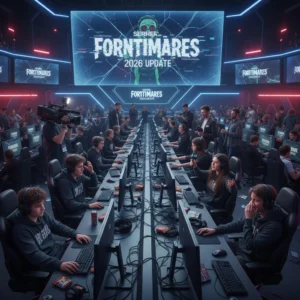
For now, Epic has not officially commented on the pay-to-advantage claims, though community managers have acknowledged the feedback on social channels. As the first major tournament of Chapter 7 approaches, pressure is mounting. Players are watching closely to see if the developer will prioritize competitive fairness or stick to its premium pricing strategy.