Fortnite’s New Personalized Item Shop Sparks Backlash
Epic Games is testing customized Fortnite Item Shop recommendations based on player data, prompting privacy and FOMO concerns.
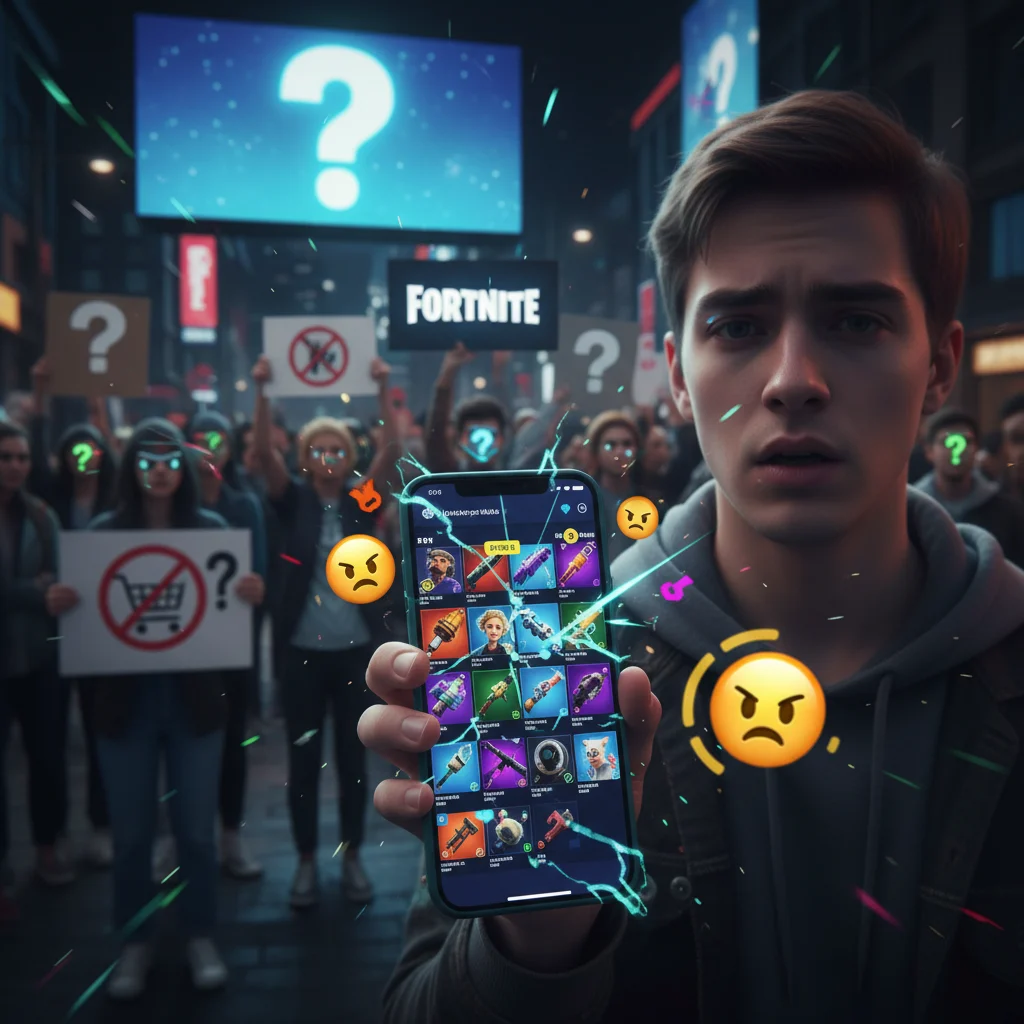
Fortnite has always been about the collective moment. Millions of players log in at the same exact time every day just to see the Item Shop reset. It is a digital ritual. But Epic Games is quietly changing the rules of that ritual. A new feature called “Personalized Rotations” is rolling out, and it has sparked a massive debate across the gaming community.
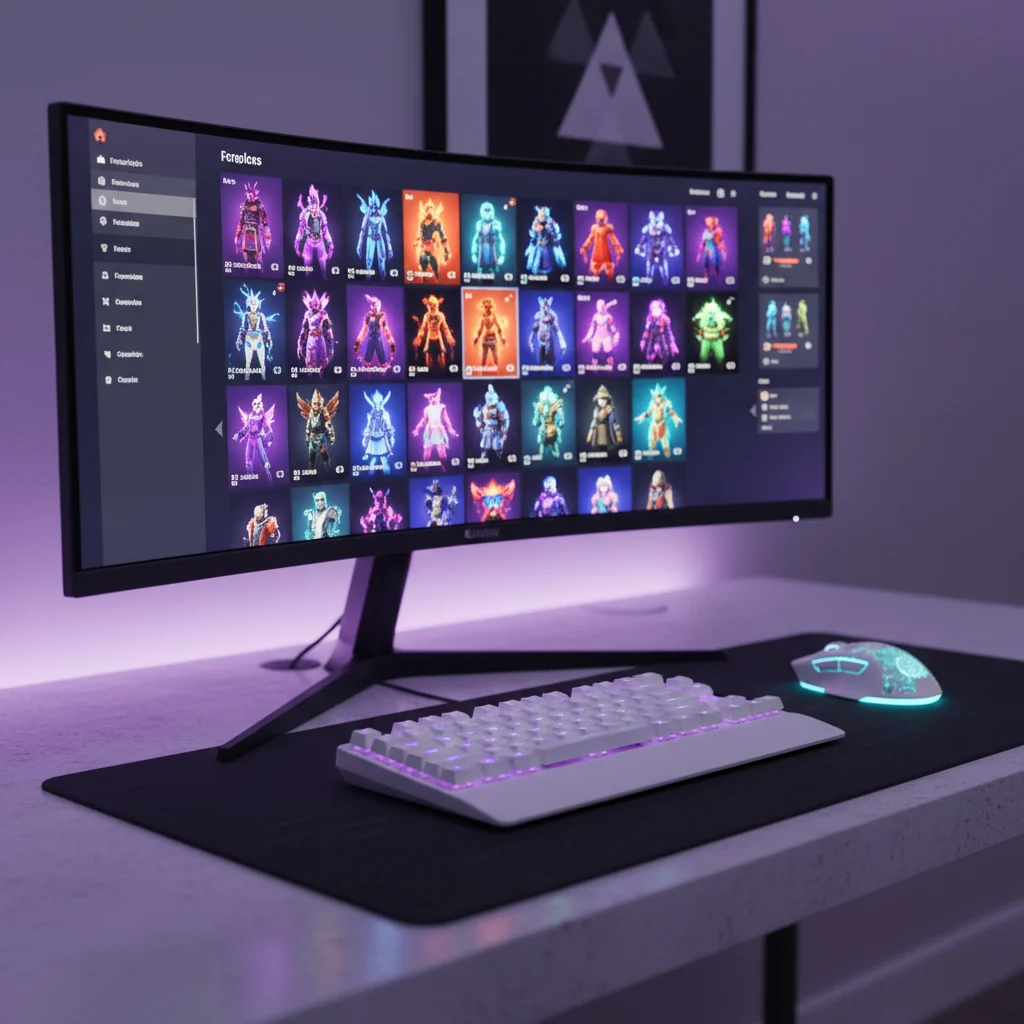
The concept is simple but controversial. Instead of everyone seeing the same rotating selection of skins, emotes, and pickaxes, the shop will now look different for everyone. Epic is using players’ personal gameplay history, locker contents, and purchase habits to curate individual storefronts. What you see in your shop might be completely different from what your best friend sees.
How the Algorithm Targets Your Locker
For years, Fortnite’s business model relied on artificial scarcity. Skins appeared for 24 hours and then vanished, sometimes for years. That created intense FOMO, or the fear of missing out. The new personalized system takes this psychology a step further. By analyzing your in-game behavior, the algorithm can predict exactly what you are most likely to buy.
Data miners and community trackers first spotted the code for this update. According to reports, the system looks at several key metrics:
- The game modes you spend the most time playing, such as LEGO Fortnite, Rocket Racing, or traditional Battle Royale.
- The cosmetic items you already own, allowing the system to recommend matching sets.
- How often you preview certain items in the shop without purchasing them.
- Your historical V-Bucks spending patterns.
If you spend all your time racing, expect more car bodies. If you frequently inspect anime skins but never buy them, the algorithm might start serving them up more frequently, hoping to finally break your resolve.
The Death of a Shared Gaming Culture?
For the Fortnite community, the biggest loss is the social element. Part of the fun of the Item Shop has always been the shared outrage or excitement when rare skins finally return. YouTube creators build their entire channels around daily shop reaction videos. Twitter accounts tracking the shop daily boast millions of followers.
Now, that unified experience is splintering. “It ruins the hype,” one long-time player complained on Reddit. “If my shop is completely different from yours, we can’t hype up a rare return together anymore. It feels isolated.”
Others worry about how this affects skin rarity tracking. For years, websites have tracked exactly how many days it has been since a specific skin was last available. If availability becomes individualized, “rare” skins lose their meaning. A skin might be incredibly rare for the general population but show up in your shop tomorrow just because you play a lot of a specific game mode.
Psychological Pressure and Privacy Concerns
Behind the complaints about lost community spirit lie deeper concerns about consumer ethics. Critics argue that personalized storefronts are designed to exploit psychological vulnerabilities. If a player is known to impulse-buy crossover skins, the algorithm can feed them those exact collaborations endlessly. It transforms a simple digital store into a highly optimized, individualized sales pitch.
Privacy is another major talking point. To make these recommendations, Epic Games has to track and analyze user behavior closely. While tech giants like Amazon and Netflix have used recommendation algorithms for decades, applying them so aggressively to gaming cosmetics feels predatory to some. Fortnite has a massive audience of minors, raising questions about whether it is ethical to target children with personalized, algorithm-driven microtransactions.
Epic’s Silence and the Future of the Shop
Epic Games has not commented extensively on the backlash. In the past, the developer has experimented with various shop layouts, including removing the rarity colors on cosmetic items, a move that also upset purists. It seems Epic is determined to modernize its storefront to maximize revenue, even if it means dismantling long-held community traditions.
For now, the personalized rotations are rolling out in phases. Some players have already noticed highly tailored sections in their menus, while others still see the standard layout. One thing is certain: the era of the shared Fortnite Item Shop is drawing to a close, replaced by a silent, data-driven algorithm designed to know what you want before you do.