Fortnite Players Backlash Over AI-Driven Item Shop Prices
Fortnite fans accuse Epic Games of using its new AI-powered Personalized Item Shop to inflate V-Bucks prices for rare returning skins.
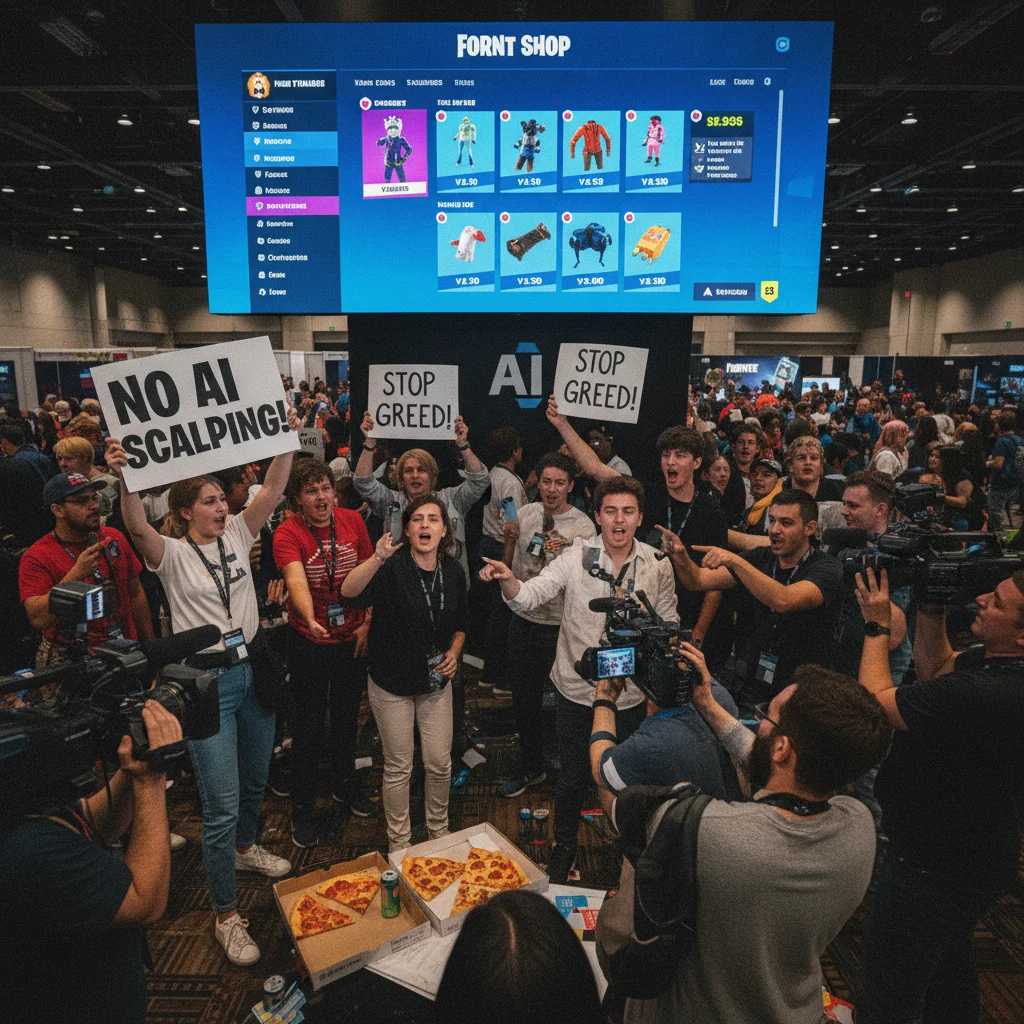
Fortnite has always relied on its rotating Item Shop to keep cash flowing. But a recent update has turned the game's marketplace into a battleground of its own. Epic Games is facing intense backlash from players over its new AI-driven "Personalized Item Shop" algorithm. Fans claim the system is quietly driving up the cost of highly anticipated, rare skins when they finally return to the store.
For years, the Fortnite Item Shop was a shared experience. Every player saw the exact same digital goods at the exact same price. That changed with a series of quiet tests that have now rolled out more broadly. The new system uses machine learning to analyze what individual players buy, how often they play, and which cosmetics they preview. The goal, according to Epic, is to show users things they actually want to buy.
But players say the algorithm is doing something much more cynical. They accuse the system of using dynamic pricing to gouge dedicated fans.
The Dynamic Pricing Controversy
The outrage peaked this week when several older, highly requested skins made a surprise return. On forums like Reddit and social media platforms, players began comparing screenshots of their individual shops. The results were wildly inconsistent. One player might see a rare skin sold individually for 1,500 V-Bucks, Fortnite's in-game currency. Another would find the same skin locked behind a mandatory 2,800 V-Bucks bundle, with no option to purchase the character on their own.
"It feels incredibly predatory," wrote Reddit user u/GhostRiley in a thread that quickly gathered thousands of upvotes. "The AI knows I’ve been waiting for this skin for over a year. Because it tracks my interest, it forces me to buy a massive bundle instead of just the skin. My friend, who rarely plays, got offered the skin by itself."
This is not the first time dynamic pricing has caused a stir in online entertainment, but its application to digital cosmetics is hitting a nerve. Gamers are used to flat-rate pricing structures. When those structures become fluid, trust breaks down.

Epic Games Responds to Community Concerns
Epic Games has defended the system, arguing that personalized recommendations are meant to improve the user experience. In a statement addressing the shop's layout, the company noted that cosmetic prices remain standardized based on their rarity tier. They attribute any differences in what players see to how bundles are discounted if a player already owns parts of the set.
Still, community skepticism remains high. Many believe Epic is leveraging scarcity and FOMO—the fear of missing out—to squeeze more money out of its most loyal players. If the algorithm detects that an account has a large stockpile of unused V-Bucks, players suspect it adjusts the storefront to highlight more expensive packages.
"I've been playing since 2018," says veteran player Marcus Vance, who runs a popular fan account tracking shop rotations. "We used to know exactly what to expect. Now, the shop feels like a slot machine before you even buy anything. You're constantly wondering if you're getting the worst deal possible just because you play the game a lot."
A Broader Trend in Gaming Monetization
This controversy highlights a broader shift in the video game industry. Major publishers are increasingly turning to machine learning to optimize player spending. Companies like EA and Activision Blizzard have patented various matchmaking and monetization algorithms over the years. These systems are designed to encourage microtransactions by pairing players with others who own premium skins, or by adjusting shop inventories in real-time.
For Epic, the backlash comes at a delicate time. The company has spent the last year fighting legal battles over app store monopolies and settling massive FTC fines related to past monetization practices. Now, they must navigate a community that feels increasingly alienated by the very systems designed to keep them engaged.
For now, Fortnite players are sharing workarounds. Some recommend avoiding clicking on skins you want but don't intend to buy immediately, hoping to trick the algorithm into thinking you don't care. Others are simply closing their wallets. Whether Epic will tweak the algorithm to appease its community remains to be seen, but the days of a simple, uniform storefront seem gone for good.