How Fortnite Tracker’s Live Tool Changes FNCS Drop Spots
A new live heatmap dashboard from Fortnite Tracker is revolutionizing how professional players prepare for the 2026 FNCS Global Championship.
The End of the MS Paint Era
Every professional Fortnite player knows that a tournament can be won or lost before anyone even finds a gun. Landing spots—or “drop spots”—are the most fiercely contested real estate in esports. For years, securing a prime location on the island involved a messy mix of Twitter arguments, unwritten agreements, and sheer stubbornness. Now, a new tool is dragging this chaotic pre-game ritual into the data age.
Fortnite Tracker has rolled out its new real-time FNCS Global Championship dashboard. It is a massive shift for teams preparing for the 2026 finals. Instead of relying on rumors and outdated scrim footage, players can now analyze live, interactive drop-spot heatmaps. The technology shows exactly where the world’s best duos plan to land, how those choices shift in real-time, and what happens when those spots get crowded.
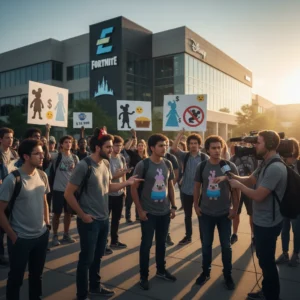
To understand why this matters, you have to look at how pros used to do things. Landing strategies were surprisingly low-tech. Teams would post screenshots on social media with a circle drawn around a town, essentially claiming ownership. If another duo dared to land there, it meant a bloody “off-spawn” fight that usually ruined the tournament for both teams.
“We used to rely on Google Sheets and Discord screenshots,” says veteran competitive coach Thomas “Arka” Miller. “You would spend hours watching lobby replays just to see if a rival duo was secretly planning to steal your metal split. If they changed their minds at the last second, you were flying blind. This new dashboard changes all of that.”
How the Real-Time Heatmap Works
The updated dashboard pulls telemetry directly from public match data and custom lobby APIs. It compiles this information into a clean, visual overlay of the current Fortnite map. It does not just show where players land. It tracks their survival rates based on their spawn points, how quickly they get shields, and their average match placement when leaving certain zones.
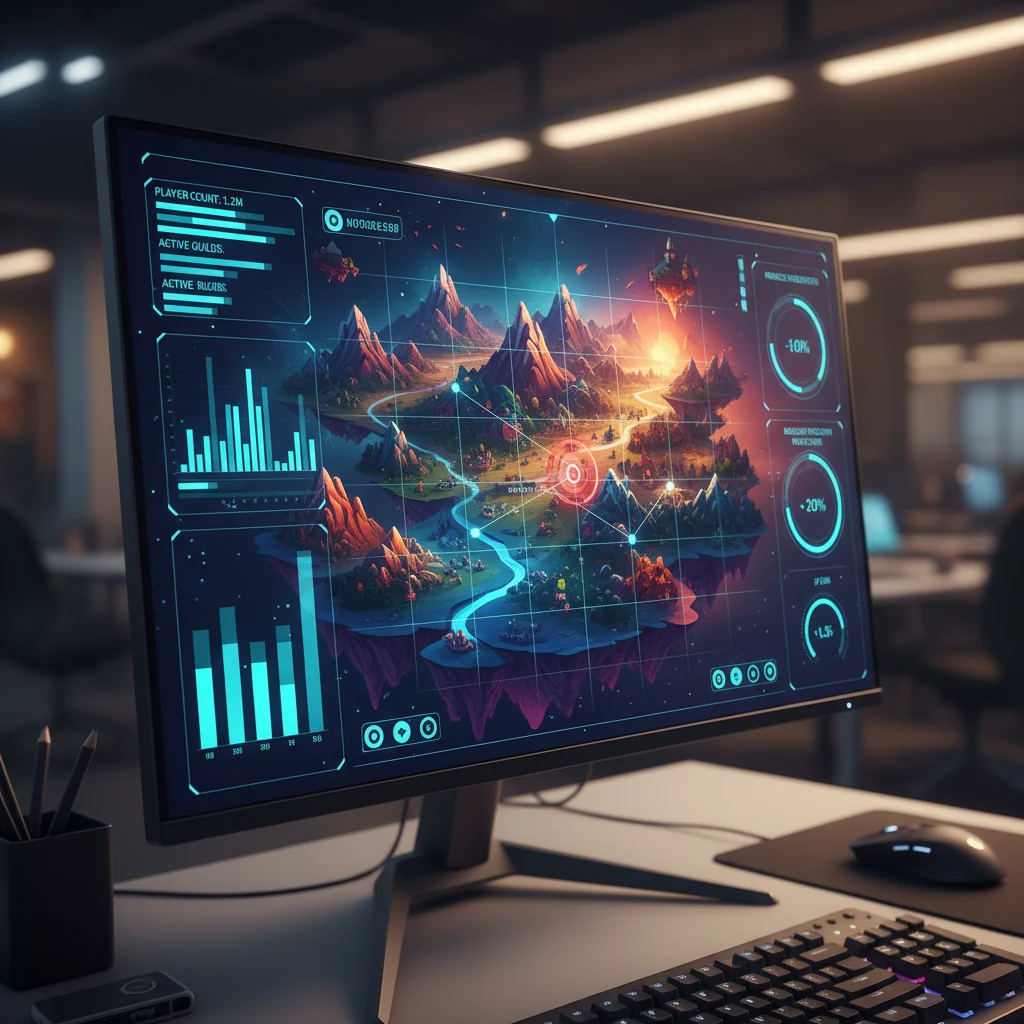
This level of detail is critical for the 2026 FNCS Global Championship, where a single mistake can cost a duo hundreds of thousands of dollars. The dashboard updates during practice matches and regional qualifiers. If a top-tier duo notices that three other teams have started landing at their preferred gas station, they can see the data immediately. They do not have to wait until they get eliminated three games in a row to realize they need a backup plan.
The Psychological Warfare of Claims
But the tool is doing more than just providing clean data. It is also changing the psychology of the game. Some teams are already using the dashboard to bluff. By repeatedly landing at a specific spot during high-level practice matches, a duo can “paint” the heatmap red, signaling to everyone else that the area is highly dangerous and heavily contested.
“It’s a game of chicken,” says Miller. “You can use the tracker to scare people off. But now, because the data is public, everyone can see if you are actually winning those off-spawn fights or if you’re just bleeding points. You can’t bluff your way out of bad stats anymore.”
A New Era for the 2026 Finals
As the road to the 2026 global finals heats up, players who fail to adopt these analytical tools risk being left behind. Epic Games has kept the meta fast and unpredictable, meaning landing strategies must remain flexible. The days of mastering one single house on the map and landing there for an entire year are over.
Whether this leads to a more passive, spread-out tournament or sparks even more aggressive target-drop strategies remains to be seen. What is clear is that the battle for the 2026 crown is no longer just about who has the fastest edits or the sharpest aim. It is about who can read the map before the match even begins.