Fortnite EU Players Can Now Bypass V-Bucks With Direct Buy
Epic Games has introduced a Direct Buy option for Fortnite players in the EU, allowing real-money purchases that bypass V-Bucks on mobile.

Fortnite players in the European Union can now skip the virtual middleman. Epic Games has quietly introduced a new "Direct Buy" feature to the Fortnite Item Shop on mobile devices, allowing users to purchase skins and cosmetics directly with real-world currency instead of converting cash into V-Bucks first.
It is a subtle shift. But the implications are massive. For over a decade, free-to-play titles have relied on proprietary virtual currencies to distance players from the actual monetary cost of digital goods. By offering an alternative, Epic is shaking up the standard industry playbook.
How Direct Buy Works in the EU
Currently, the feature is live for players in the European Union using iPhones or Android devices. When browsing the in-game shop, eligible players will see dual pricing on select cosmetic items. One option lists the standard V-Buck price. The other lists a direct price in Euros.
Choosing the direct payment option routes players straight to Epic’s proprietary payment system. This bypasses the default payment pipelines of mobile operating systems. The transition is seamless, requiring just a few taps to complete a purchase using credit cards, PayPal, or other local payment methods.
The Digital Markets Act Catalyst
This structural change did not happen in a vacuum. It is the direct result of intense regulatory pressure in Europe. The EU’s Digital Markets Act (DMA) has forced tech giants like Apple and Google to open their closed ecosystems, paving the way for third-party app marketplaces and alternative billing solutions.
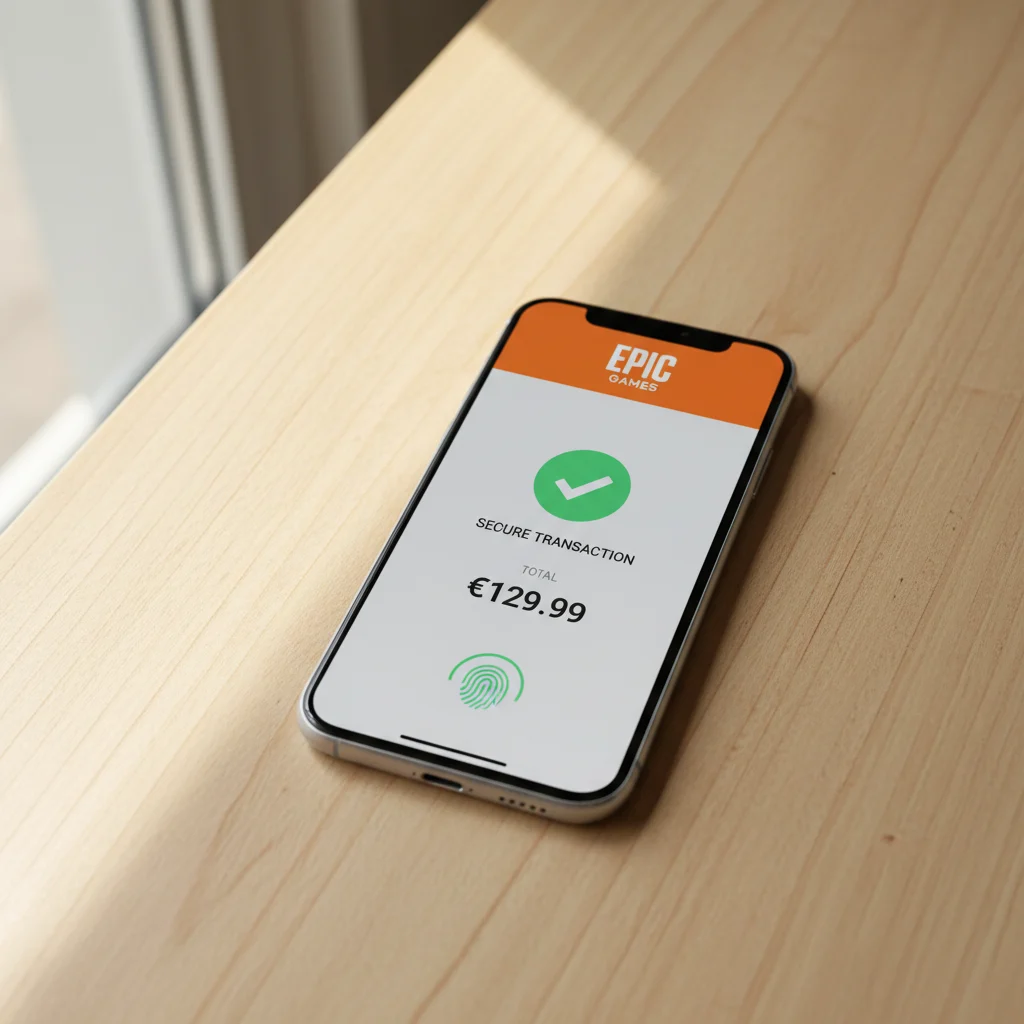
Epic Games has spent years fighting platform operators over their mandatory 30% transaction fees. Now, with the legal backing of the DMA, Epic can bypass these fees entirely in Europe. This enables them to offer direct payment methods without fear of being kicked off app stores—a stark contrast to the infamous 2020 standoff that saw Fortnite banned from iOS devices worldwide.
Why This Matters for Players
For the average consumer, this update offers several immediate benefits:
- No leftover currency: Players no longer have to buy oversized V-Buck bundles just to purchase a single cheap skin.
- Potential savings: By cutting out the platform fees, Epic can pass savings on to the player, making direct cash purchases slightly cheaper than buying the equivalent V-Bucks.
- Clearer spending: Seeing real money prices makes it far easier for parents and players to track actual spending.
The Psychological Shift in In-Game Spending
Virtual currencies are not just convenient; they are psychological tools. When a skin costs 1,200 V-Bucks, it feels less like spending money than if it cost ten Euros. Virtual currency creates a disconnect that encourages impulse buying. It also creates a closed loop: once your money becomes V-Bucks, Epic keeps it, regardless of whether you spend those V-Bucks immediately or let them sit in your account.
By offering direct purchases, Epic is willingly breaking this spell. It shows a high level of confidence in the value of their cosmetic offerings. If players are willing to pay real cash directly for a skin, it proves the items hold genuine value to the community, independent of gamified currency loops.
What Happens Next?
For now, Epic is keeping V-Bucks as the primary global currency. Players who already have large balances of V-Bucks can still spend them normally. The Direct Buy option is merely a parallel choice, not a replacement. This option remains locked to the EU region. Players in North America and other parts of the world will still have to use the traditional V-Buck purchase pipeline for the foreseeable future, as local regulators have not yet forced Apple and Google to open up payment processing to the same degree.
Nevertheless, this European pilot program could serve as a blueprint for the future of mobile gaming. If Epic proves that direct-to-consumer billing is viable and profitable, other major publishers are likely to follow suit, signaling a major shift in how digital economies operate globally.