Fortnite Tracker Live API Transforms UEFN Competitive Play
Tracker Network has launched a real-time stat API for UEFN, bringing persistent global leaderboards and automated tournaments to Fortnite creative maps.
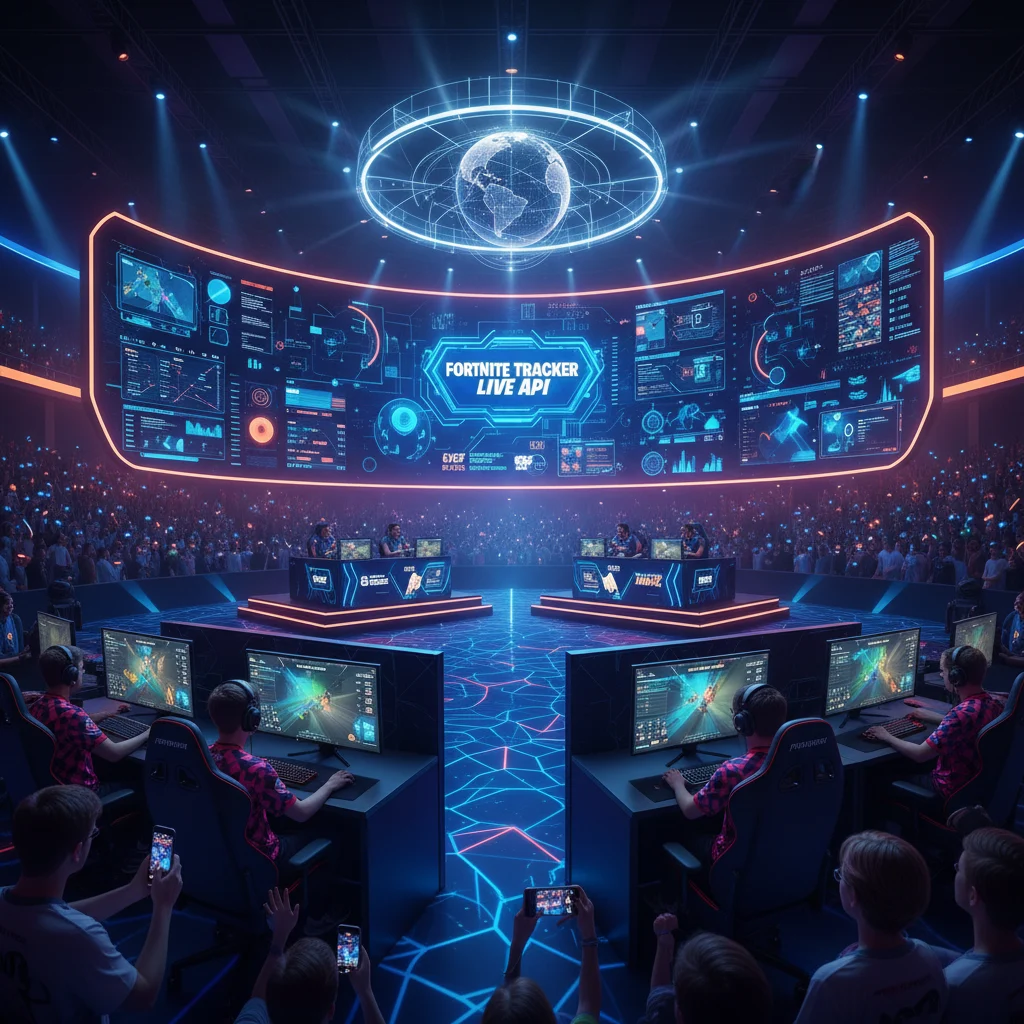
For years, Fortnite’s creative mode was a place to mess around with friends or practice building mechanics. But in 2026, the ecosystem has matured into a massive, multi-million dollar industry of custom games. Now, a new tool from Tracker Network is about to push the competitive scene for these player-made maps into overdrive.
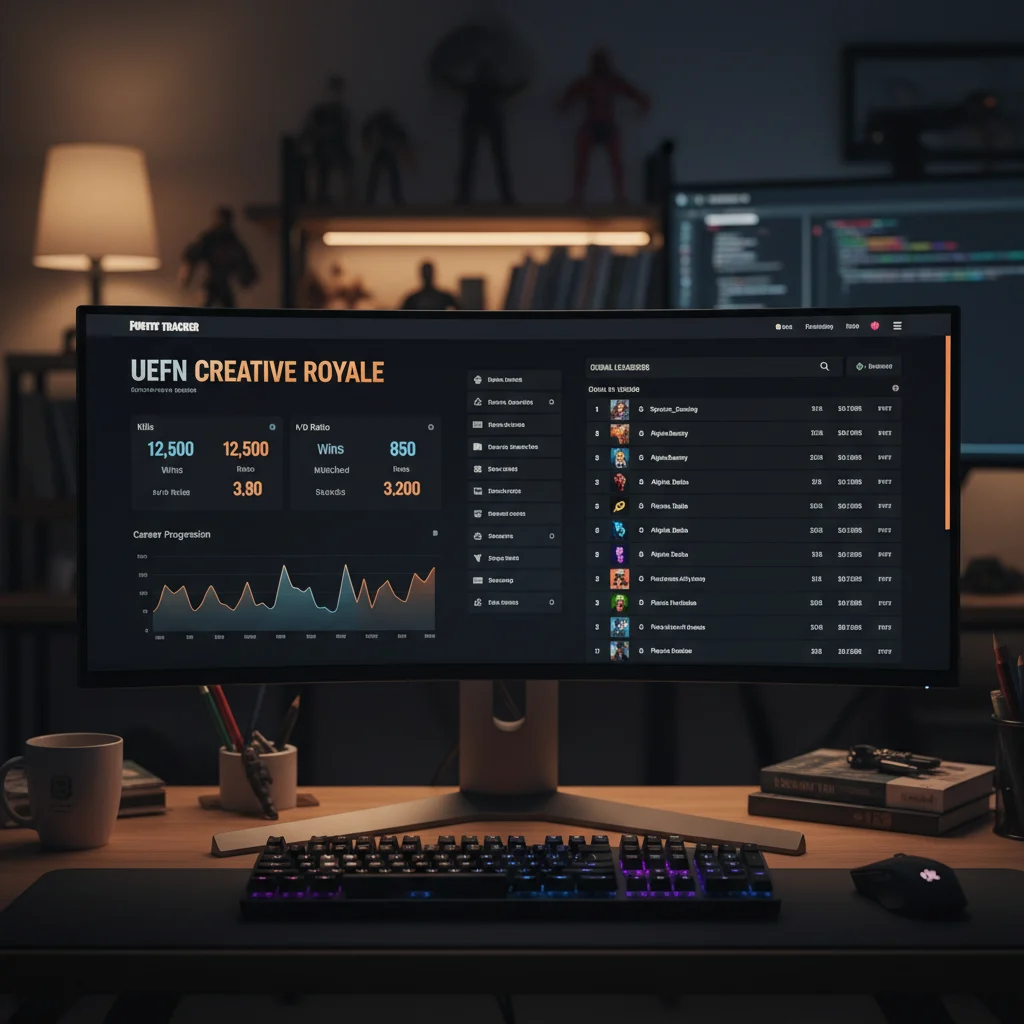
The company behind the widely used Fortnite Tracker website has officially rolled out a real-time statistical integration designed specifically for Unreal Editor for Fortnite (UEFN) maps. This feature allows map developers to connect their creations directly to the Tracker Network API. The result? Real-time, persistent leaderboards, live career tracking, and global rankings for custom maps, updating the moment a match ends.
Bringing Pro-Level Stats to Custom Worlds
Before this release, tracking player performance in UEFN maps was a headache. Map creators had to rely on basic in-game save devices that frequently glitched or reset when matchmaking servers updated. There was no way for players to prove their skills outside of temporary, in-game lobbies. Now, anyone playing an integrated map can have their headshots, win ratios, and kill-death averages logged permanently on a public profile page.
The technical magic behind this system relies on Verse, the programming language Epic Games built for UEFN. By using Verse to send secure data payloads to Fortnite Tracker servers, creators can bypass previous platform limitations. Over 500 elite map-making studios signed up for the closed beta over the winter, and the early results suggest a massive shift in how players interact with custom games.
According to early data shared by Tracker Network, custom maps using the live tracking API saw player retention jump by more than 35%. When players realize their efforts are being recorded on a global leaderboard, they tend to stick around much longer.
Automated Tournaments and True Skill Rankings
The implications for the competitive community are enormous. In the past, running an independent tournament on a creative map was a logistical nightmare. Organizers had to manually review video clips or screenshots to verify scores. This manual process was slow and open to manipulation. With the new API, tournament organizers can pull clean, verified match data instantly, automating the entire payout and scoring process.
“This completely changes our business model,” says Marcus Vance, co-founder of Vanguard Creative, a studio known for popular zone-wars maps. “We can host a weekend tournament with a $5,000 prize pool, and we do not have to spend hours checking who actually got the most eliminations. The API handles it all. It makes custom tournaments as legitimate as the official Champion Series.”
Additionally, some creators are using this real-time data to build their own matchmaking systems. By pulling a player’s historical map stats when they join a lobby, custom scripts can sort players into casual or competitive lobbies. This solves one of the biggest complaints in creative maps: casual players getting stomped by high-tier players.
A New Era for the Creator Economy
Epic Games has made no secret of its desire to turn Fortnite into a platform that rivals Roblox. By sharing 40% of its net item shop revenue with creators based on map engagement, Epic has created a gold rush for game designers. Tools like Fortnite Tracker’s API make these custom games feel like standalone, professional products rather than mere mods.
For the average player, the experience is seamless. When you join an integrated map, a virtual scoreboard in the spawn room can display your personal bests, your current win streak, and how you rank against the rest of the world. It provides a constant incentive to improve.
As the API becomes available to more creators throughout 2026, the division between official Epic Games content and community-made maps will continue to blur. The era of casual creative lobbies is fading, replaced by a highly competitive, data-driven ecosystem run by the community itself.