Coin Master Scams on TikTok Spread Malware, Moon Active Warns
Moon Active warns Coin Master players against viral TikTok videos promoting fake ‘no-wait’ spin generators that infect devices with spyware.
The Temptation of Free Spins
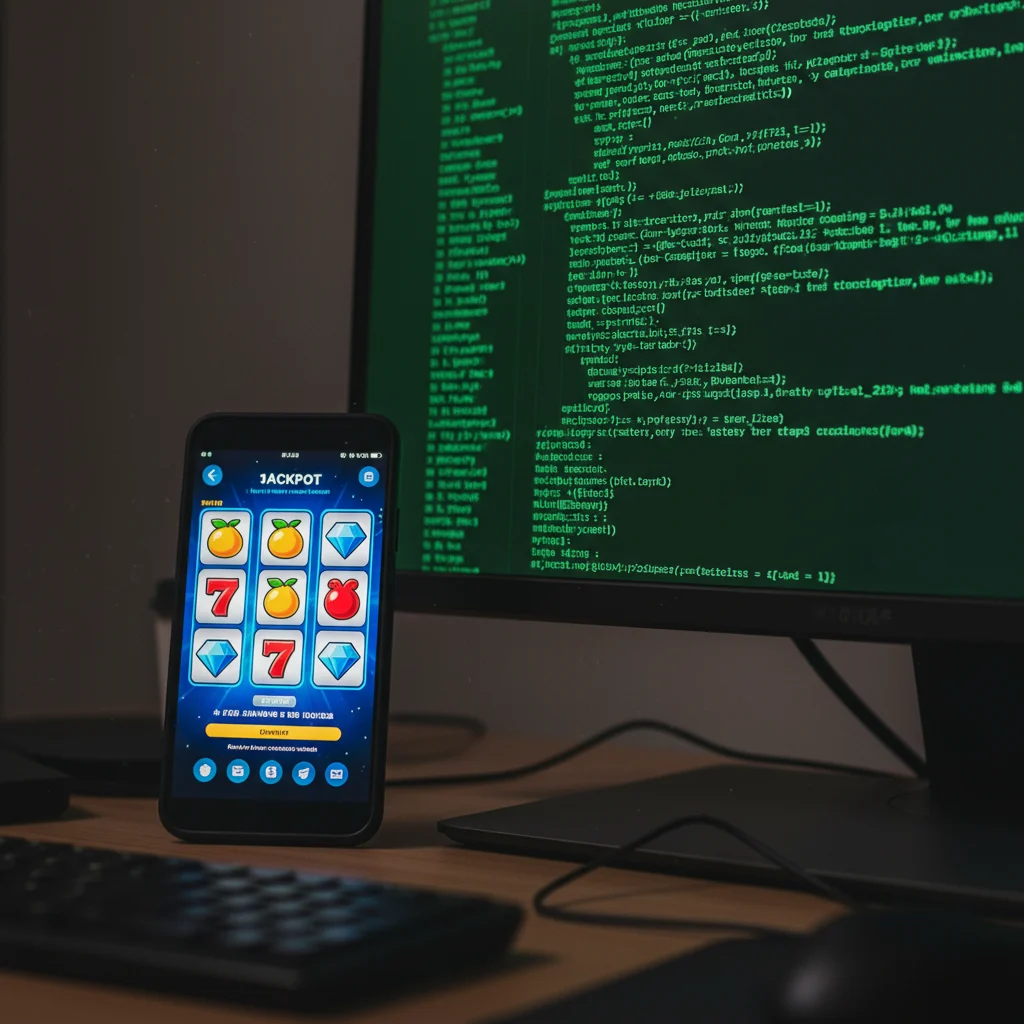
Gamers want shortcuts. It is a simple truth. But for millions of people playing the wildly popular mobile game Coin Master, chasing those shortcuts has turned into a security nightmare. Developer Moon Active has issued an urgent warning to its community. Cybercriminals are using TikTok to peddle fake “no-wait” spin generators. Instead of giving players free resources, these tools are infecting smartphones with dangerous malware.
The scam relies on viral reach. TikTok is currently flooded with short videos showing what looks like real gameplay. In these clips, a player’s spin counter rapidly ticks up into the tens of thousands. Text overlays promise that anyone can achieve the same results instantly. To an eager player, it looks incredibly convincing.
But it is entirely fake. These videos are highly edited or recorded on modified private servers that have nothing to do with the official game.
How the TikTok Trap Works
To get the promised spins, viewers are told to visit a link in the creator’s bio or the top pinned comment. This link redirects players away from TikTok to a shady third-party website. The site asks the user to complete a “human verification” step. This is where the trap snaps shut.
To pass this verification, users must download external apps, complete long surveys, or enter their account login details. Doing so does not unlock any spins. Instead, it triggers malicious downloads. Some users end up with aggressive adware that floods their phones with unclosable pop-up ads. Others face far worse consequences, like spyware that silently harvests passwords, photos, and banking information stored on the device.

The Threat of Hidden Malware
This trend highlights a growing problem in mobile gaming. As titles like Coin Master, Roblox, and Monopoly Go dominate the app stores, cybercriminals are shifting their focus to mobile platforms. Younger players, who may not be familiar with online security best practices, are particularly vulnerable. They often trust viral videos on platforms they use daily, like TikTok and YouTube Shorts, without realizing the risks involved.
Coin Master itself relies on a strict gameplay loop. Players spin a virtual slot machine to earn coins, attack rival villages, and build up their own bases. The game limits how many spins a player gets each hour. When they run out, players must either wait or spend real money. This setup creates a desperate market for free spins, and scammers are exploiting that demand with precision.
Moon Active Responds to the Threat
Moon Active has made its stance clear. The developer emphasizes that there is no such thing as an external spin generator. They urge players to never trust third-party websites or share their account credentials. The studio notes that legitimate free spins are only distributed through their own verified social media channels, such as Facebook, Instagram, and X (formerly Twitter).
The company also warned against using modified versions of the game client. These altered apps often promise unlimited resources but frequently contain backdoor exploits that give hackers remote access to the victim’s device.
What Victims Should Do Next
If you or someone you know already fell for this scam, action is needed quickly. Take these steps to secure your device:
- Run a reputable mobile antivirus scan to detect and remove any hidden payloads.
- Change the passwords for any accounts linked to the game immediately, especially social media and email profiles.
- Check your device settings to revoke any unexpected app permissions that may have been granted during the download process.
- Monitor your mobile bill for any unauthorized charges, as some malicious links secretly subscribe users to premium SMS services.
TikTok has begun taking down some of these fraudulent accounts. However, new ones appear almost instantly. For players, the best defense remains a healthy dose of skepticism. If an offer seems too good to be true, it always is.