Coin Master Free Spins Scam Spreads Dangerous New Malware
Security experts warn Coin Master players about a massive malware campaign offering fake unlimited free spins to steal personal data.
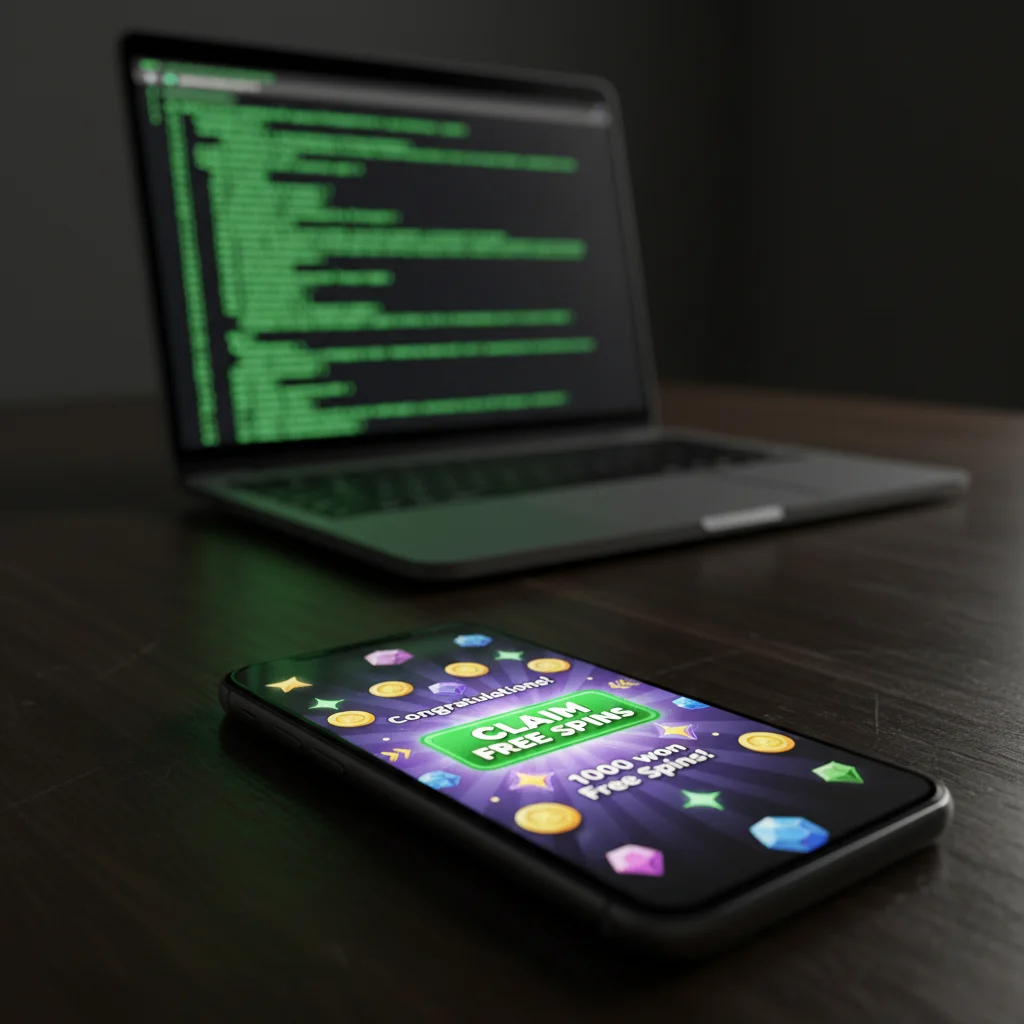
Mobile gamers are under fire. A sophisticated new wave of cyberattacks is sweeping across the internet, disguised as shortcuts for one of the world’s most popular mobile titles. Security researchers have issued an urgent warning regarding a highly active malware campaign targeting Coin Master players with promises of “unlimited free spins.”
The scam, which began spiking in early October 2026, exploits the addictive loop of Moon Active’s hit casual game. In Coin Master, spins are the primary currency. They allow players to build their villages, attack rivals, and shield their resources. Because players run out of spins quickly, many turn to the internet for quick fixes. Cybercriminals have noticed.
The Anatomy of the Spin Siphon
According to researchers at Aegis Threat Intelligence, the malicious campaign relies heavily on social media platforms like TikTok, YouTube Shorts, and Discord. Attackers post highly polished videos demonstrating fake “generators” apparently adding millions of spins to an account in real time. These videos redirect viewers to sleek, professional-looking landing pages.
Once on the site, users are prompted to enter their username and choose their platform. Then comes the trap. To “verify” their account and claim their spins, players must download a small helper application. This file, often disguised as a performance booster or an official game update, actually contains a dangerous strain of malware dubbed “CoinSiphon” by analysts.
“We are seeing a massive surge in infections this autumn,” says Marcus Thorne, lead malware analyst at Aegis. “The attackers have done their homework. The landing pages look incredibly convincing, featuring fake live chat boxes and fabricated user reviews. It looks like a legitimate service, but the moment you download that file, your device is compromised.”
How CoinSiphon Quietly Steals Your Life
CoinSiphon is not a simple adware program. It is a highly potent information stealer designed to operate silently in the background. Once installed on an Android device or a Windows PC running an emulator, it immediately goes to work.

The malware targets stored credentials, web browser cookies, and autofill data. Most alarmingly, it scans the infected device for cryptocurrency wallet extensions and banking applications. Because many Coin Master players use their phones for everyday transactions, the potential for financial ruin is high.
Data tracked by Aegis reveals that over 180,000 unique IP addresses have interacted with these malicious generators since September 2026. The highest concentration of victims is currently in North America and Western Europe, where the game maintains a massive, dedicated user base.
A Nightmare for Younger Gamers
What makes this campaign particularly insidious is its target audience. Coin Master appeals to a broad demographic, including younger players and older adults who might not be tech-savvy enough to spot a sophisticated phishing attempt.
- Fake Verification: The sites use simulated loading bars and fake command-line scripts to look technical.
- Bypassing Security: The downloadable files are frequently updated to evade standard antivirus detection.
- Social Engineering: Scam links are often shared via hijacked social media accounts, making them look like recommendations from friends.
Thorne points out that the malware is constantly evolving. “Every few days, the attackers tweak the payload’s signature. This keeps it one step ahead of traditional mobile security software. If you don’t have proactive threat detection active, you won’t even know it’s there until your accounts start getting hijacked.”
How to Protect Yourself and Your Devices
Moon Active, the developer of Coin Master, has repeatedly stated that there is no such thing as an external spin generator. All legitimate free spins are distributed through official social media links, in-game events, or email newsletters. Any website claiming to bypass these systems is a scam.
If you or someone in your household has attempted to use one of these generators recently, experts recommend taking immediate action. Run a deep system scan with a reputable security suite. Change all passwords associated with financial services, email accounts, and social media platforms. Most importantly, enable two-factor authentication (2FA) wherever possible to prevent unauthorized logins even if your credentials have been compromised.
In the digital playground, shortcuts almost always come with a price. This autumn, that price is proving to be far higher than a few extra spins.