How Fortnite Tracker Metrics Are Reshaping the Creator Economy
Fortnite Tracker’s new real-time analytics tools are giving custom map creators the live data they need to optimize payouts and beat the competition.
The Blind Spot in Fortnite’s Wildly Lucrative Creative Mode
Fortnite is no longer just a battle royale. It is a massive game engine where independent developers build their own worlds. Thanks to Epic Games’ Unreal Editor for Fortnite (UEFN), hundreds of thousands of custom maps now compete for player attention. Some creators are making millions of dollars a year. Yet, until recently, these developers had to run their businesses largely in the dark.
Epic pays creators through “Creator Economy 2.0,” a system that distributes 40% of the game’s net item shop revenue back to map makers. Payouts depend on player engagement, retention, and how many new players a map attracts. But Epic’s official Creator Portal has a lag. Creators often had to wait days to see how their maps performed. If a popular Twitch streamer played their game, or if a TikTok video went viral, the map makers had no immediate way to measure the impact.
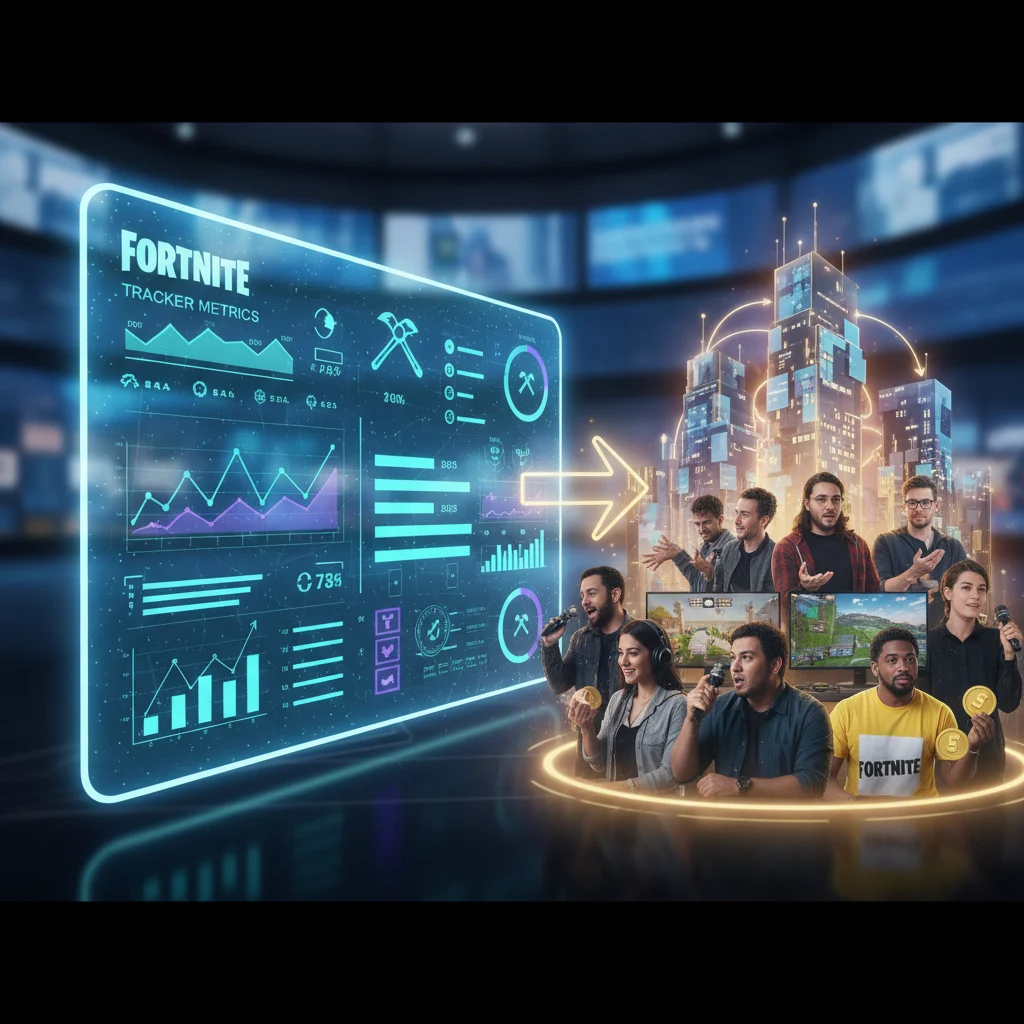
That is changing. Tracker Network, the company behind the popular Fortnite Tracker platform, recently rolled out real-time UEFN creator metrics. The update brings live data tracking to the public. Now, map makers can watch their player counts rise and fall by the minute.
Why Real-Time Metrics Matter for Map Makers
The new tools on Fortnite Tracker allow anyone to search for a specific creator or map code and see live concurrent player numbers. It also tracks historical data, showing peaks, averages, and player retention curves over hours, days, or weeks.
This is not just about vanity metrics. It directly impacts how these developers spend their money and time. Here is what the new data changes for the economy:
- Marketing spend optimization: If a developer pays an influencer to play their map at 3:00 PM, they can watch the live chart to see if the player spike justifies the cost.
- Immediate bug feedback: If a new update breaks a map, creators will see an instant drop in active players, allowing them to push hotfixes before losing their spot on Fortnite’s in-game discovery page.
- Smarter scheduling: Creators can pinpoint exactly when their target audience is online, helping them schedule updates and events for maximum visibility.
For small indie teams, this level of precision was previously impossible. They had to rely on guesswork and anecdotal evidence from discord chats or social media comments.

How Verse and UEFN Raised the Stakes
The shift to UEFN brought Verse, Epic’s custom programming language, into the mix. This allowed creators to move past basic building blocks and write actual code. They built complex role-playing games, advanced physics simulators, and highly detailed shooters inside Fortnite. But complex games mean complex problems. A single line of bad code can crash a server. With real-time metrics, a sudden dip in concurrent players acts as an early warning system. If a game crashes, the creator knows within seconds, not hours.
A Shift in How Studios Run
The introduction of these metrics is pushing the Fortnite ecosystem to mature. What started as a hobby for teenagers in their bedrooms has evolved into highly organized game studios. Companies like Alliance Studios and Team PWR employ dozens of designers, artists, and programmers. They treat Fortnite maps like standalone live-service games.
“Having access to real-time public data changes how we look at the competition,” says one independent map designer who requested anonymity to protect their earnings data. “I can look at what the top-performing maps are doing at 2:00 AM on a Tuesday versus 4:00 PM on a Saturday. We can see exactly when a specific genre, like Zone Wars or Tycoon games, starts to trend downward. It lets us pivot our development pipeline faster than ever.”
This public transparency also creates a new dynamic among competitors. Before, creators could inflate their success on social media. Now, the proof is in the public tracker. Investors and brands looking to sponsor custom maps can verify a creator’s reach before signing any deals.
The Economic Impact of Creator Economy 2.0
Epic Games paid out over $120 million to creators in the first year of Creator Economy 2.0. The top tier of map makers are taking home seven-figure paychecks. However, the competition is fierce. Thousands of new maps launch daily, and the battle for a spot on the “Discover” tab is brutal.
Because Fortnite’s recommendation algorithm heavily rewards player retention and rapid spikes in active players, timing is everything. A map that gets a sudden burst of players can get picked up by the algorithm and pushed to millions of home screens. By using real-time trackers, creators can identify when a map is gaining momentum and throw fuel on the fire with social media promotions.
Ultimately, Fortnite Tracker’s new features level the playing field. Independent developers no longer need massive budgets or proprietary data analytics tools to compete with established studios. The data is free, immediate, and accessible to anyone with a browser.