Fortnite’s iOS Return: Two Years of EU Mobile Data Analyzed
Two years after Epic Games launched its iOS store in Europe, mobile data reveals how many Fortnite players actually stayed.

Two Years After EU Return: Analyzing Fortnite’s Mobile Player Retention on iOS and the Impact of the Epic Games Store
Two years ago, Epic Games pulled off what once seemed impossible. Leveraging Europe’s Digital Markets Act (DMA), the gaming giant bypassed Apple’s App Store fees and launched its own mobile marketplace on iOS. Fortnite, the crown jewel of the battle royale genre, finally returned to European iPhones after a bitter four-year exile.
The initial launch sparked massive celebrations among gaming enthusiasts. But once the regulatory dust settled, Epic faced a much tougher battle: keeping those players on mobile over the long haul. New data from industry trackers reveals a complicated picture of player retention, installation friction, and the hard truth about competing with Apple on its own turf.
The Sideloading Tax: Friction Still Hurts
When the Epic Games Store (EGS) debuted on iOS in late 2024, early download numbers spiked. Nostalgic fans rushed to get Fortnite back on their screens. However, installing the game required navigating a maze of iOS system warnings, settings toggles, and confirmations. Epic CEO Tim Sweeney frequently criticized these steps as ‘scare screens’ designed by Apple to suppress competition.
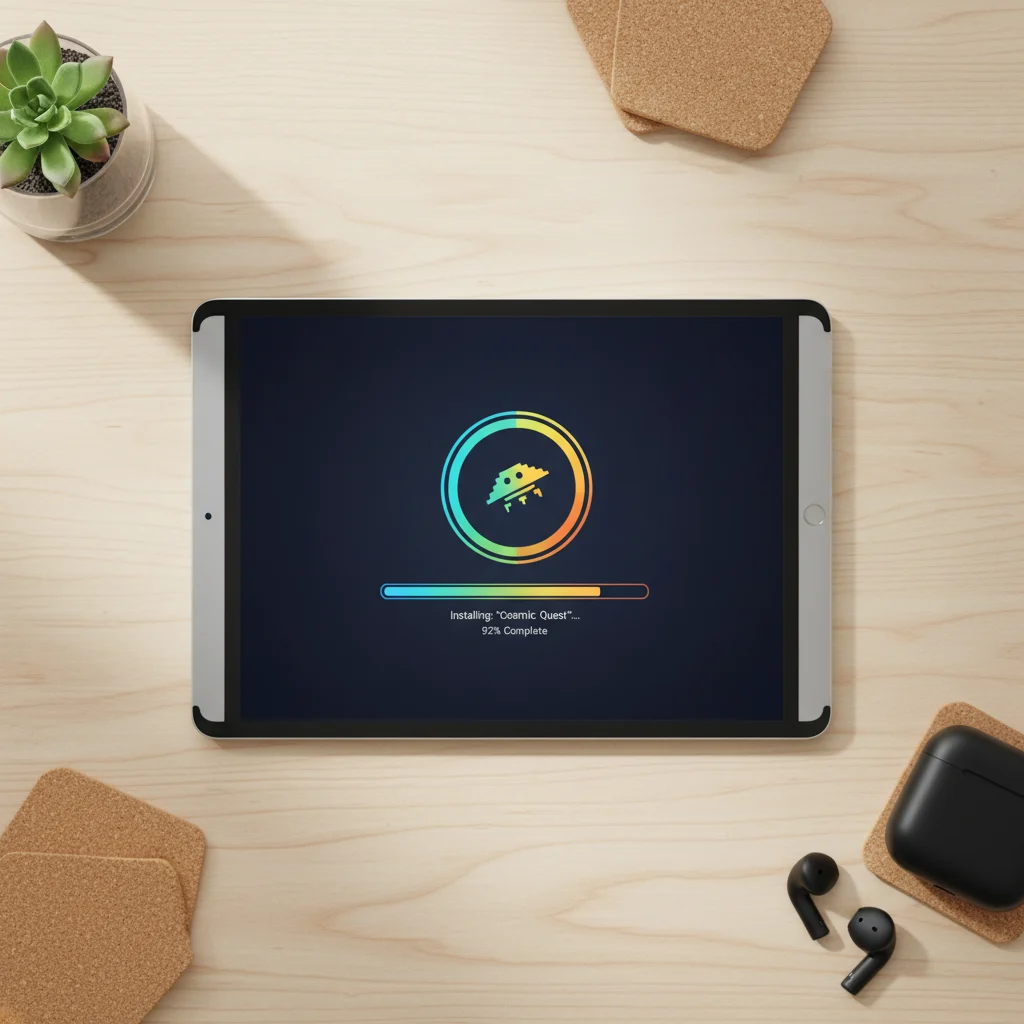
Two years of data show that this friction had a measurable impact. According to estimates from mobile analytics firm Sensor Tower, up to 40% of users who initiated the download process aborted it before completing the installation. The sheer number of steps turned away casual players who were used to the one-click simplicity of the official App Store.
‘Sideloading is still a niche behavior,’ says Marcus Sheng, a senior mobile gaming analyst. ‘Hardcore Fortnite players will jump through any hoop to play on the go. Casual gamers, however, simply do not. If a game is not in the default app store, it basically does not exist for the majority of the smartphone market.’
Retention Rates Tell a Double Story
For the players who did successfully install the Epic Games Store, the metrics paint a fascinating picture. Retention rates for those who stick with the app are remarkably high. Once a user configures the store and downloads Fortnite, their engagement levels rival those of console and PC players.
Data suggests that the 30-day retention rate for Fortnite on iOS in the EU sits at roughly 34%. This is higher than the average mobile shooter, which typically hovers around 20% to 25%. These players are dedicated. They spend money on V-Bucks, participate in seasonal events, and actively use cross-progression features to link their mobile play with their home consoles.
But the raw volume is the catch. Because the overall install base is much smaller than it was in 2020, Epic is playing to a highly dedicated but ultimately restricted audience. The total active user base for Fortnite on iOS in Europe is currently estimated to be just a fraction of its pre-ban peak.
Can Third-Party Games Save the Epic Games Store?
Epic Games never intended for its iOS store to be a single-game launcher. To make the marketplace financially viable, Epic has been trying to entice other mobile developers to join. They offer an attractive 88/12 revenue split, which is far more generous than Apple’s standard 30% cut. Epic also waived its fee entirely for developers who use their own payment processing systems.
Despite these developer-friendly terms, the store’s third-party library remains modest. Major studios have been hesitant to launch their games on EGS Mobile. Without a massive, built-in audience, developers find it hard to justify the engineering resources needed to maintain a separate build of their games for an alternative iOS store.
Epic has tried to combat this by adapting its famous PC strategy to mobile: giving away free games and securing exclusive titles. While this has driven some traffic, mobile gamers have proven less responsive to freebies than PC players, largely because the mobile ecosystem is already dominated by free-to-play titles.
Looking to the Future
The experiment is far from over. Epic is playing a very long game, hoping that regulatory pressure in other regions—like Japan, the United Kingdom, and the United States—will eventually force Apple to open up iOS globally, not just in Europe. If more countries adopt DMA-style laws, the installation process could become much smoother, lowering the barrier to entry.
For now, Fortnite’s return to iOS is a qualified success. It proved that an alternative mobile store can survive, but it also highlighted the massive structural advantages that Apple still holds. Until downloading a third-party app feels as seamless as downloading an official one, Epic’s mobile ambitions will remain a battle fought on an uneven playing field.