Fortnite Players Backlash Over Expensive Chapter 7 Holo-Skins
Epic Games faces fierce player backlash over the massive price tag of Fortnite’s new music-reactive holographic skins.
Sticker Shock in Chapter 7
Fortnite’s latest season has arrived, but the celebration is already being cut short by a wave of player fury. Chapter 7 brought massive map changes, fresh weapons, and a highly anticipated line of customizable holographic skins. These cosmetics are technically impressive. They react dynamically to whatever music is playing in the game. But there is a catch. They cost a small fortune.
Epic Games dropped the new ‘Vibe-Sync’ cosmetic line into the item shop this week. Instantly, the community’s excitement soured into intense sticker shock. A single holographic outfit costs a whopping 3,200 V-Bucks. If you want the complete bundle with matching gear, you will need to part with 8,500 V-Bucks.
In real-world money, that means a single character skin costs roughly $28. The bundle pushes past $70. For context, that is more than the price of a brand-new, top-tier video game like Helldivers 2 or Palworld, with change to spare.
The Tech Behind the Price Tag
What makes these skins so special—and allegedly expensive—is their intricate design. Built with Unreal Engine 5’s latest rendering tools, the holographic textures shift color, pulse, and distort depending on the tempo and bass of nearby music. Whether you are rocking out in Fortnite Festival or just running through a battle royale match while an opponent emotes, the skin dances to the beat.
The customization options are vast. Players can tweak several elements, including:
- The base neon color palette
- The speed and frequency of the light pulses
- Floating geometric patterns around the character’s limbs
- Special reactivity triggers for specific music genres
It is arguably the most complex cosmetic Epic has ever built. But players argue that technical complexity should not justify pricing out the average fan.
Gamers Protest with Their Wallets
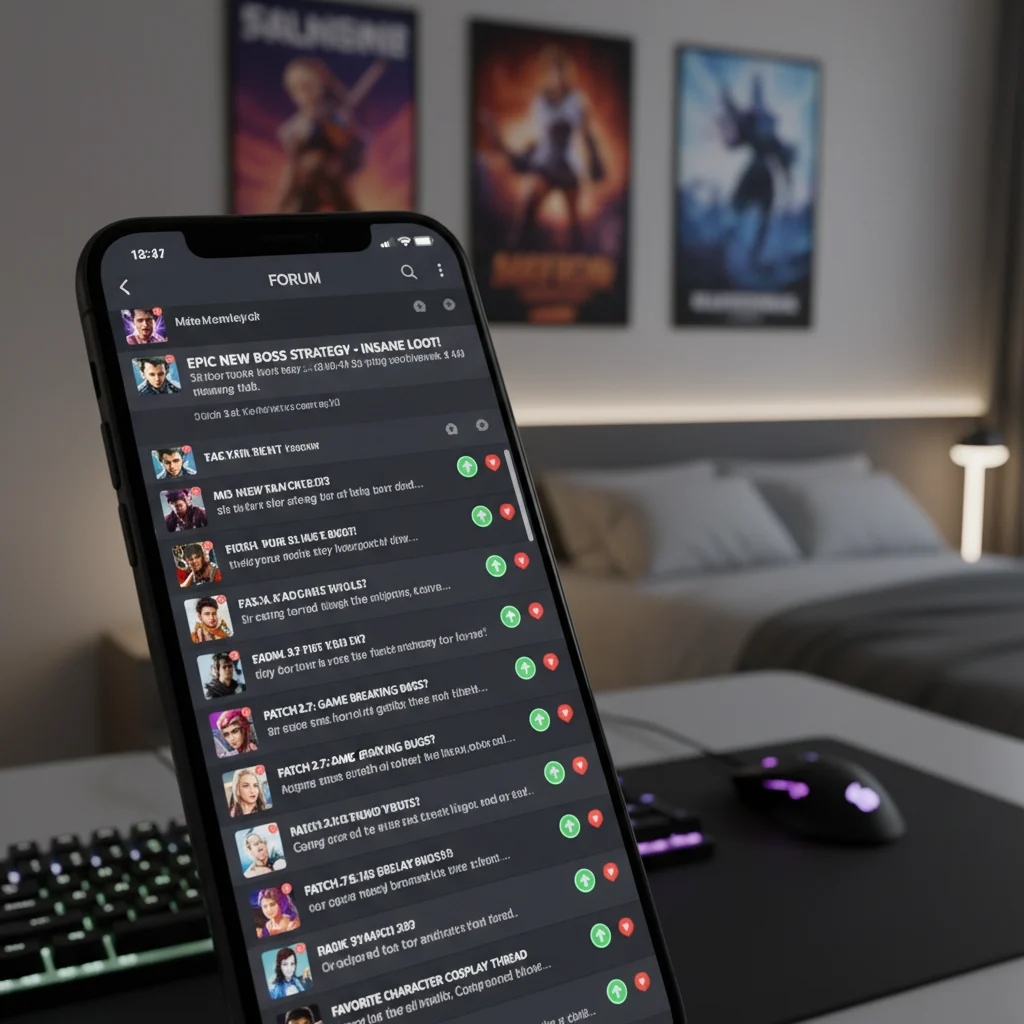
“This is getting ridiculous,” wrote one frustrated player on the Fortnite subreddit. The post quickly climbed to the top of the forum, racking up thousands of upvotes in a matter of hours. “I love the music-reactive tech, but thirty bucks for one skin is predatory. Epic is testing how far they can push us.”
This is not an isolated complaint. Across X and TikTok, fans are sharing videos comparing the cost of the virtual skins to real-world items, like groceries or actual clothing. The sentiment is clear: the pricing feels out of touch.
Over the last year, Fortnite players have noticed a steady creep in item shop prices. When Epic introduced rocket-powered cars and highly detailed musical instruments for its spin-off modes, price tags soared. Virtual guitars frequently cost 1,500 V-Bucks, while vehicle bundles have touched 4,000 V-Bucks. Many hoped Chapter 7 would mark a return to more reasonable pricing. Instead, the new holographic skins have set a new, frustrating high-water mark.
Will Epic Back Down?
Content creators are also chiming in. Several prominent streamers noted that while the skins look incredible on screen, they cannot recommend them to their younger viewers. “They look amazing, no doubt about it,” one creator said during a live broadcast. “But please, do not empty your wallet for this. It is just pixels. Wait and see if Epic adjusts the price due to the backlash.”
Historically, Epic Games has occasionally listened to community outrage. In the past, the developer lowered the prices of certain car bundles and offered V-Buck refunds to players who bought them at the original, higher price. Whether the studio will back down this time remains to be seen.
For now, the item shop remains a battleground. While some players with deep pockets are already running around the island glowing like neon signs, a growing portion of the community is choosing to protest with their wallets. They are keeping their classic skins equipped, hoping the silence from their virtual wallets sends a loud enough message to Epic’s headquarters.