Fortnite Tracker AI Tool Reshapes Chapter 7 Training
Fortnite Tracker’s new real-time AI tool is changing how competitive players train and analyze their gameplay in Chapter 7.
The Death of the Traditional VOD Review
Fortnite Chapter 7 has thrown the competitive scene into chaos. With massive terrain shifts, new movement physics, and a weapon pool that rewards hyper-aggressive play, players are scrambling to find their footing. But the biggest shift this season isn’t happening on the virtual island. It is happening on second monitors.
For years, getting better at Fortnite meant hours of tedious work. You played a match, died, opened the replay file, and manually looked for your mistakes. Coaches made a living doing just this. Now, Tracker Network is shaking up that routine with its new real-time AI performance analysis tool. It acts like a digital coach that never sleeps.
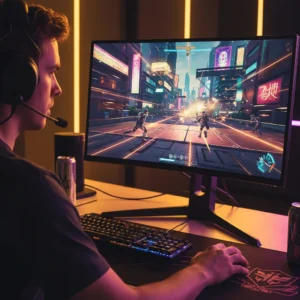
The tool runs alongside your game. Instead of waiting for the match to end to tell you what went wrong, it analyzes your gameplay on the fly. It is fast, automated, and surprisingly precise.
How the AI Reads Your Game
The system does not just count your kills and placement. It looks at the nuances of how you play. By reading live video feeds and API data, the AI tracks metrics that players used to have to guess at.
One of the key metrics is the build-to-damage ratio. This tells you if you are wasting too many materials during a build fight without actually landing shots. If you burn through 500 wood just to hit a single 30-damage shotgun blast, the AI flags it. It tells you immediately after the fight ends.
It also monitors rotation efficiency. In Chapter 7, storm circles move faster and more unpredictably. The AI maps your movement against the safest path to the zone, highlighting exactly where you hesitated or took unnecessary storm damage.
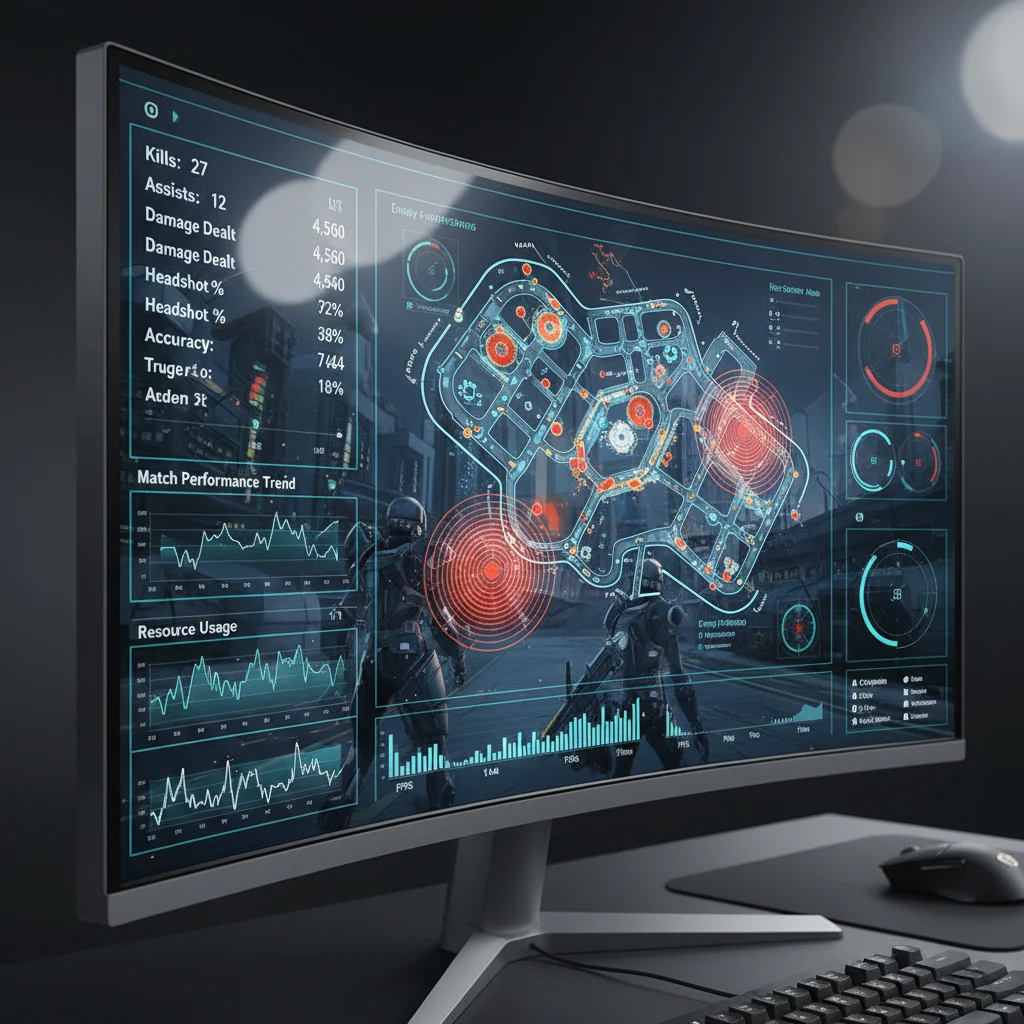
“We used to spend three hours a day just reviewing scrims,” says Marcus “Ember” Torres, a coach for several tier-one Fortnite pros. “The AI does most of the heavy lifting now. It pinpoints the exact seconds in a match where a player made a bad decision. That saves us half our workday, allowing us to focus on actual mechanics instead of hunting for mistakes in replay files.”
Keeping It Clean and Safe
Whenever a third-party tool gets this powerful, players start worrying about bans. Epic Games is notorious for its strict anti-cheat software. If a program touches the game’s internal memory, you get banned. No exceptions.
Fortnite Tracker’s tool avoids this by operating entirely outside the game’s code. It uses advanced screen-recognition technology, essentially watching the game the same way a human eye does. Because it does not inject code or modify files, it complies with Epic’s terms of service. It is a guide, not a cheat.
This accessibility is changing who can compete. In the past, only signed professional players with organizations backing them could afford dedicated analysts. Now, a fifteen-year-old playing in their bedroom has access to similar high-level insights. It levels the playing field in a way we have not seen since the early days of the World Cup qualifiers.
The Future of Competitive Practice
Right now, the tool is in an open beta phase, but the feedback from the community is already shaping its development. Future updates promise even deeper integration, including simulated scenarios based on your specific weaknesses. If the AI notices you struggle with box-fighting players who hold the right-hand peek, it will soon be able to suggest specific creative maps to train that exact scenario.
Competitive gaming has always been about who can grind the smartest, not just the hardest. As Chapter 7 progresses, the players holding the trophies at the end of the season might not be the ones who played the most hours. They will likely be the ones who listened to their data.